
Why Orthopedic Surgeons Are Beneficial for Sports Medicine
September 8, 2026
The Benefits of Foot Care in Aging Populations
September 8, 2026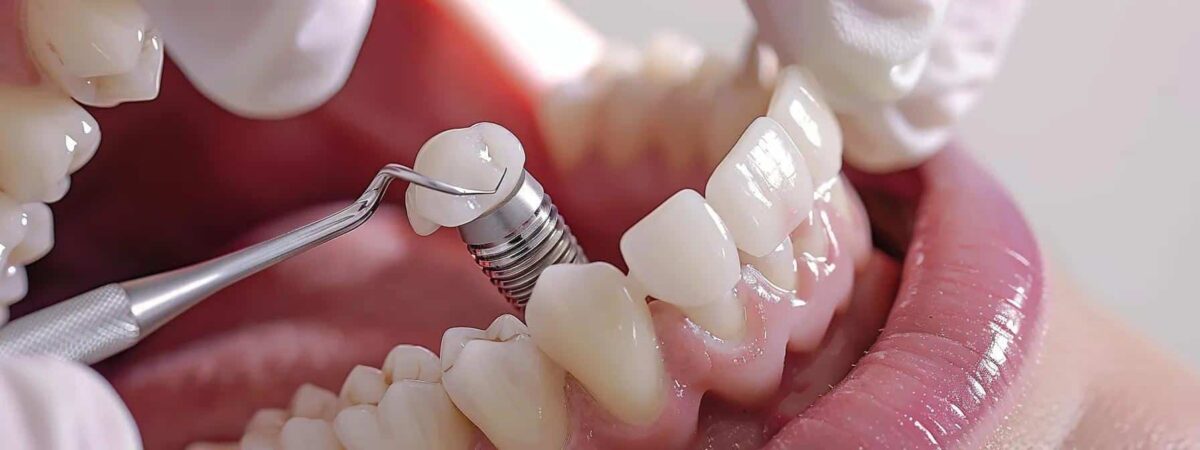
Dental implants restore missing permanent teeth with a long-lasting foundation. More than 3 million Americans have dental implants, and another 500,000 will receive them this year. These small titanium posts replace tooth roots, and they support crowns, bridges, and implant-supported dentures that look and work much like natural teeth. The titanium posts provide a foundation for replacement teeth after placement in the jawbone, which allows the restoration to replace the missing tooth.
Understanding Dental Implants
Dental implants are metal post that replaces the root portion of a missing tooth. The titanium fuses with the jawbone, so implants provide solid support without slipping or making noise. Unlike other restorations, dental implants do not rely on existing teeth for support, and an oral surgeon places them into the jawbone during an outpatient procedure. A crown attaches to the post through a piece called an abutment.
Following the Procedure
Surgery usually takes place in stages. The process includes healing time between procedures, and the full treatment process can take many months. A damaged tooth may be removed, and bone grafting may prepare the jawbone when the existing bone cannot support the implant. The implant post is then placed in the jawbone.
After placement, osseointegration begins. During this process, the jawbone grows into and joins the surface of the implant, creating a stable base for the artificial tooth. The process takes several months. Once osseointegration is complete, the abutment may be placed, and the gums heal for at least two weeks before the artificial tooth is attached.
Managing Surgical Risks
Surgery carries health risks. These risks are generally minor and treatable when they occur. Infection at the implant site is possible, and surrounding structures, including teeth or blood vessels, may sustain damage. Nerve damage can cause pain, numbness, or tingling in the natural teeth, gums, lips, or chin. Upper-jaw implants can also cause sinus problems. This occurs when an implant extends into a sinus cavity, and the surgical team evaluates problems that develop after treatment. Swelling, bruising, pain, and minor bleeding may occur after surgery. Pain medicine or antibiotics may also be needed.
Caring for Implants
They require regular care. People keep their implants, artificial teeth, and gum tissue clean, and they schedule regular dental checkups and professional cleanings. With proper care, dental implants can last for years. Hard items such as ice and hard candy can damage crowns or natural teeth, so damaging habits require attention.
Nail-biting and using teeth to open objects can also damage restorations. Teeth grinding places repeated force on dental work, and treatment is available when grinding affects the teeth. Smoking may play a part in implant failure and complications. Most dental implants are successful, although an implant may be removed if the bone does not fuse sufficiently with the metal post.
Schedule a Consultation
It involve several stages. The condition of the jawbone and the number of teeth being replaced guide the treatment plan, while the type of implant also affects how the procedure is performed. The full process can take many months because bone healing requires time. A dental consultation provides an opportunity to evaluate the mouth and discuss a treatment plan based on the planned procedure.