
Dental Implants: What to Expect From Treatment to Long-Term Care
September 8, 2026
Collaborative Care Between Obstetricians and Pediatricians
September 8, 2026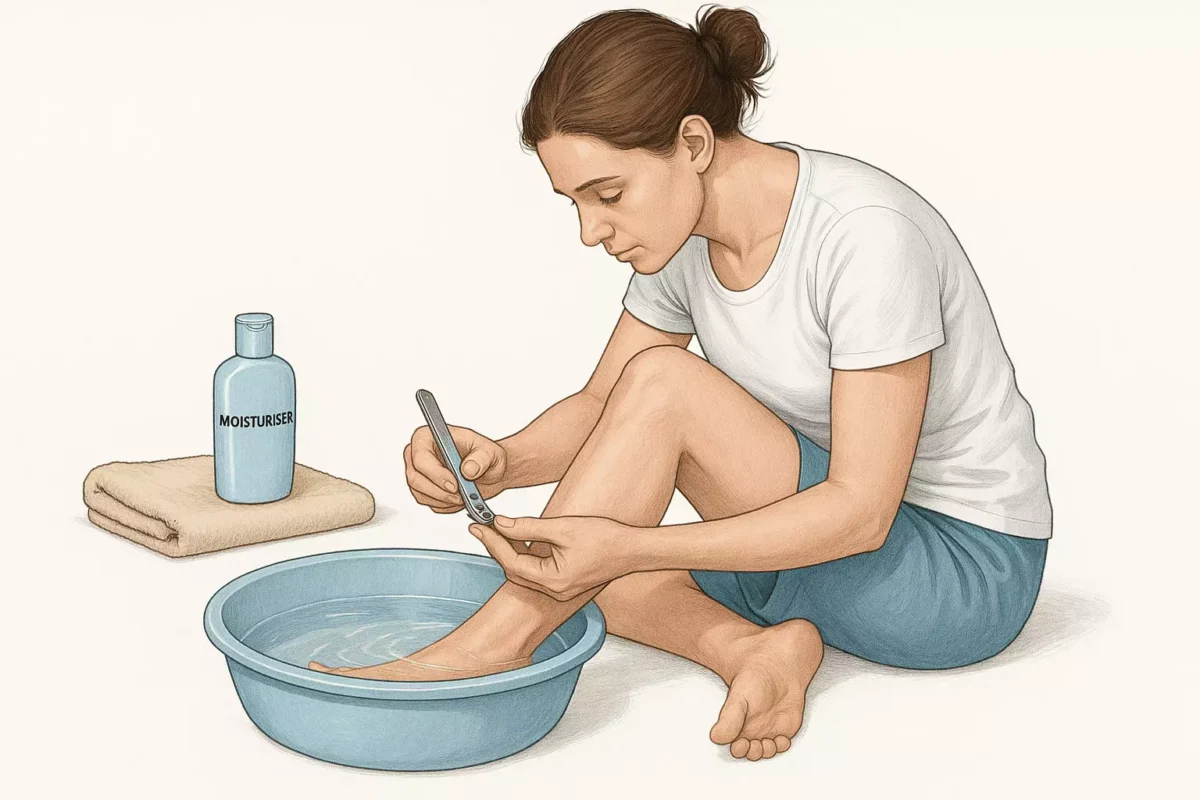
Your feet carry you through daily life. As you age, they change, and those changes can affect your mobility. Some foot problems come from injuries, but many develop from aging, arthritis, or systemic conditions. Consistent care from a foot doctor helps you stay active, and it reduces the chance of complications later.
Common Aging Foot Conditions
Aging feet face predictable problems that develop over time.
- Structural changes: Bones shift, causing balance and posture challenges.
- Joint issues: Stiffened joints reduce flexibility and make movement uncomfortable, often worsened by arthritis.
- Thinning skin: Aged skin becomes more prone to injuries, infections, and pressure sores.
- Common deformities: Bunions and hammer toes occur due to joint misalignments or improper shoe support.
- Heel pain contributors: Prolonged strain on the plantar fascia and lack of arch support exacerbate discomfort.
- Skin irritations: Friction from shoes often leads to calluses and corns, adding to foot irritation.
Recognizing these conditions early matters, as it allows for more treatment options from your foot doctor. Understanding the unique needs of aging feet empowers people to manage changes proactively. This can preserve foot health, and it supports an independent lifestyle.
Targeted Treatment Options
Targeted treatments address each concern directly, providing solutions tailored to specific issues. Simple problems often respond well to conservative care methods. Discuss if you have a severe or recurrent case, so minor in-office procedures can be used. For structural problems such as bunions, minimally invasive surgery offers a modern solution, using small incisions to correct deformities with shorter recovery times.
Surgical interventions for hammer toes restore natural alignment, and this can improve both comfort and functionality. Heel pain, often caused by plantar fasciitis, can benefit from therapies like orthotics, stretching exercises, and physical therapy to strengthen the foot’s supportive structures. Advanced conditions like persistent swelling, nerve pain, or severe deformities need a comprehensive evaluation to identify causes, such as arthritis or circulatory issues. Custom orthotics and physical rehabilitation are also valuable for addressing long-term concerns. By tailoring treatments to each person’s needs, specialists help aging populations maintain foot health. This can help improve overall quality of life.
Specific Treatment Outcomes
Proper foot care produces measurable results, positively impacting both your mobility and overall health.
Mobility and Physical Health
When foot pain is resolved, you can move more comfortably, encouraging regular physical activity. This increased mobility supports cardiovascular health, muscle tone, and joint flexibility. Managing arthritis-related changes reduces joint stress and inflammation, improving motion in the feet and ankles. Correcting alignment issues improves balance, and it lowers fall risks over time.
Prevention and Independence
For those managing conditions like diabetes or poor circulation, proper foot care matters. Routine checkups can detect early warning signs of complications, and this allows for prompt treatment. Regular care also addresses minor concerns. Use this care before they become painful. Personalized solutions like orthotics or supportive footwear make daily activities more manageable, helping you stay independent and active into your later years.
See a Foot Doctor Today
Foot care is a practical investment in your mobility. Schedule an evaluation with a podiatrist. Bring a list of your symptoms and current footwear, and your provider can recommend a clear treatment plan. Early action prevents complications, and steady maintenance keeps you moving comfortably. Contact a foot care specialist today, as this helps to protect your feet and your health.