The Role of Dermatology in Treating Acne and Other Skin Conditions
September 25, 2026
Benefits of Regular Skin Checks in Dermatology
September 28, 2026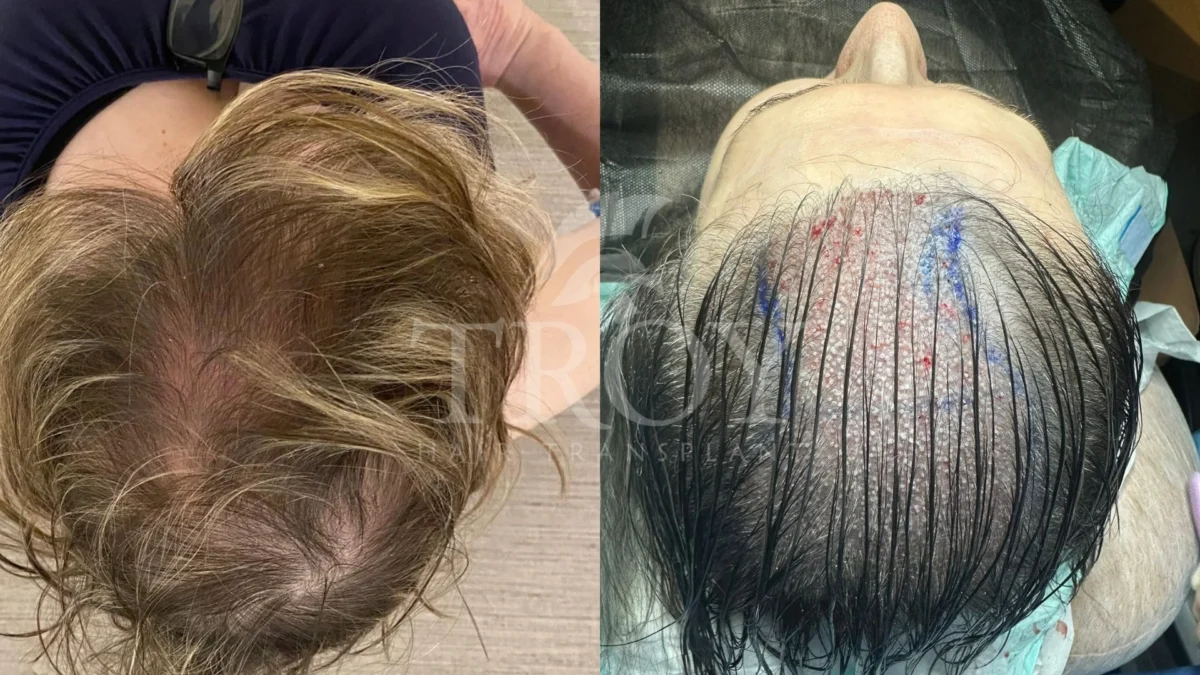
Because platelet-rich plasma (PRP) therapy uses a patient’s own blood platelets, it can stimulate hair follicles and promote regrowth. PRP offers a non-surgical alternative with few systemic side effects, and patients may combine it with other treatments for enhanced results. A specialist will determine the most suitable approach. Here is more information on PRP for hair loss, what the process involves, and how it compares to other treatments:
What Is PRP for Hair Loss?
PRP for hair loss uses components from a patient’s own blood to encourage hair growth, and it’s minimally invasive. A small blood sample is drawn and processed in a centrifuge, which separates the platelet-rich plasma from other blood components. This concentrated plasma contains growth factors that support tissue repair and cellular regeneration.
Doctors inject the plasma directly into areas of the scalp experiencing thinning or hair loss, and because the treatment uses the patient’s own blood, the risk of allergic reaction or rejection remains low. PRP is used for androgenetic alopecia, which is a common form of hereditary hair loss that affects both men and women. Consulting a specialist helps determine if PRP is right for each situation.
How Does It Work?
The process typically requires blood collection, plasma separation, and injection. A healthcare provider draws blood from the patient, then places the sample in a centrifuge that spins at high speed to separate its components. This separates plasma from red and white blood cells, and it yields a concentrated solution of platelets. The provider injects this plasma into the scalp using a fine needle. Targeted areas are those with hair thinning, as the growth factors in the platelets signal hair follicles to enter an active growth phase.
What Are the Benefits?
PRP therapy offers several advantages over more invasive treatments. Because the procedure avoids surgical incisions, recovery time is reduced, and the risk of scarring is minimized. The approach is less disruptive to surrounding tissue, and patients may experience fewer post-treatment complications.
Patients may notice several improvements after completing a full PRP treatment cycle, including:
- Thicker hair strands
- Reduced shedding
- Improved scalp coverage
How Do Other Treatments Compare?
Minoxidil is a topical treatment applied directly to the scalp. It works by improving blood flow to hair follicles, which supports follicle activity. It may also slow hair loss. Unlike PRP, minoxidil requires daily application, and discontinuing use may lead to renewed hair loss.
Finasteride is an oral medication that blocks the hormone responsible for hair follicle shrinkage in androgenetic alopecia. Patients who experience hormonally driven hair loss may benefit from finasteride, but those who prefer to avoid daily medication should explore PRP as an alternative. Hair transplant surgery physically relocates hair follicles from denser areas of the scalp to thinning regions, which provides permanent results. The procedure requires a longer recovery period than PRP.
Consult a Specialist Now
PRP therapy provides a valuable solution for hair loss patients seeking results without surgery or daily medication. Using the patient’s own blood components minimizes risk, and it supports natural hair regrowth. Every case of hair loss differs based on genetics, progression, and personal preferences. A qualified specialist can assess your scalp condition and recommend the most suitable treatment. If you experience hair loss, schedule a consultation today.