
What To Look for in a Medical Spa Experience
September 22, 2026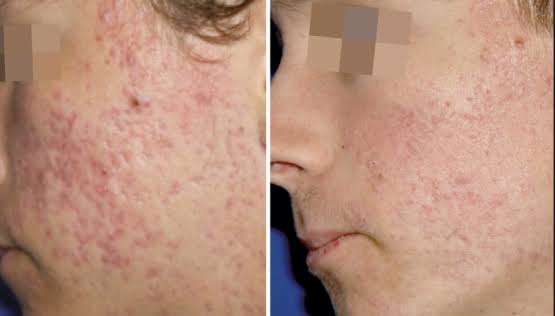
Acne can be stubborn. Over-the-counter products help some people, but many need professional care, and that is where dermatology fits in. A dermatologist studies skin closely, and they build treatment plans that match your specific condition.
Recognize Your Skin Conditions
Acne comes in several forms. Some cases are mild, while others involve deep, painful cysts that leave lasting marks. Medical dermatology addresses acne directly. A dermatologist will tell these conditions apart. Since treatments differ, an accurate diagnosis matters. Once you know your exact condition, you follow a plan that targets the real cause. Acne varies by skin type, and what works for oily skin may not work for dry or sensitive skin. Hormonal shifts can drive breakouts, and stress makes existing acne worse. Warts may also appear alongside other skin concerns, and a dermatologist will treat them safely.
Explore Your Treatment Options
Treatment options range from simple to advanced. A dermatologist will sometimes start with topical products, and they can add prescription medicine when needed. Some prescriptions target bacteria, while others regulate oil production or reduce inflammation. Chemical peels remove damaged surface skin. Microdermabrasion smooths texture through gentle exfoliation. For active breakouts and scarring, your dermatologist selects tools that suit your skin type and goals. Several advanced options target redness, uneven tone, and deeper scarring:
- IPL: Delivers pulses of light to reduce discoloration and redness.
- Laser genesis: Uses gentle heat to stimulate collagen beneath the skin’s surface.
- Microneedling: Encourages the skin to repair itself by triggering its natural healing response.
- Secret PRO: Combines microneedling with energy to treat deeper acne scars.
- MesojectGun: Delivers targeted solutions into the skin to support hydration and repair.
- Hydrafacial: Cleanses and hydrates in one session with no downtime.
Build Your Daily Habits
Good skin care supports professional treatment, and consistency often matters most. Daily habits shape long-term results. Wash gently twice a day, and avoid harsh scrubbing that can irritate acne-prone skin. A dermatologist may recommend products that fit your skin and flag ingredients that will sometimes trigger breakouts. Avoid touching your face throughout the day, because hands carry bacteria that will sometimes worsen existing breakouts. Pillowcases and towels often touch your skin. Washing them regularly reduces the chance of irritation.
Sun protection matters since some acne treatments make skin more sensitive to light. Use a non-comedogenic sunscreen daily and look for formulas that do not block pores or add excess oil. Cosmetic dermatology can treat leftover scars once active acne calms, and it works best when your routine stays steady. Microdermabrasion and chemical peels complement a home routine and deliver better results when your skin is well maintained. When you pair professional care with simple daily steps, your skin has a stronger chance to improve and stay clear.
Book Your Dermatology Consultation Today
Acne rarely clears on its own, and professional guidance will shorten the path to results. Schedule a visit with a dermatologist. During your appointment, you can describe your history, and the dermatologist examines your skin and recommends a plan built for you. Take the next step today, and start treating your skin with informed, practical care.