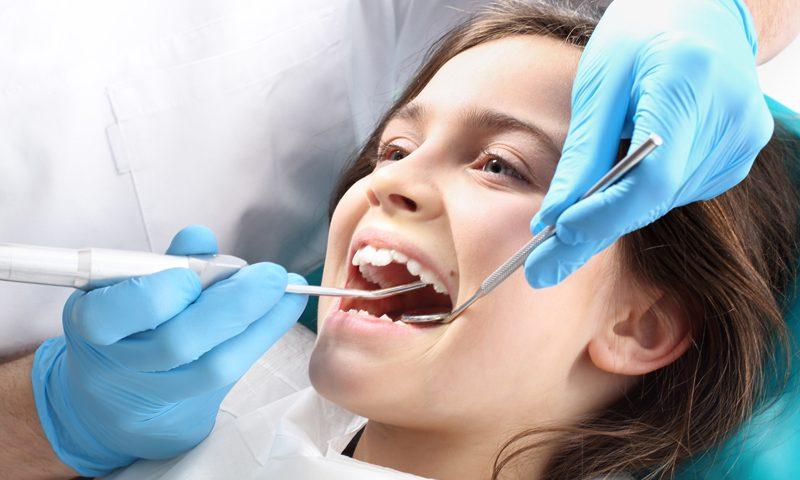
Questions To Ask Your Orthodontist About Your Children’s Teeth
September 18, 2026
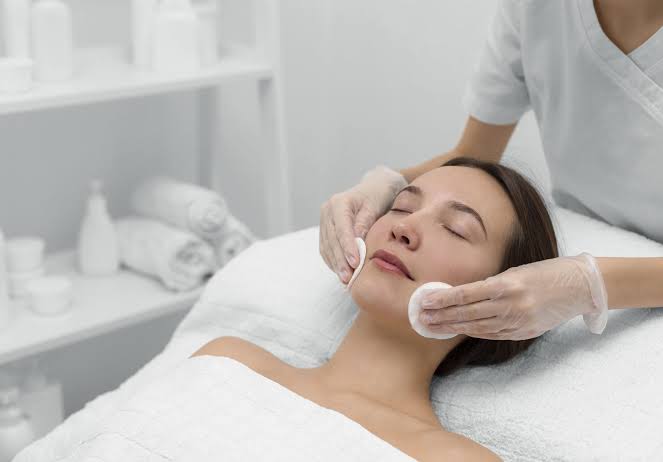
What To Look for in a Medical Spa Experience
September 22, 2026
Varicose veins commonly develop in the legs. Weakened vein valves allow blood to pool, and affected veins may become swollen, twisted, or visible beneath the skin. When varicose veins require treatment, available options include sclerotherapy, radiofrequency treatment, VenaSeal, and ambulatory phlebectomy. Here is more information about minimally invasive vein treatments:
Understanding Varicose Veins
Varicose veins develop when valves inside the veins do not function properly. Healthy valves direct blood toward the heart, but weakened valves may allow blood to flow backward and collect within the vein. When blood pools repeatedly, pressure can stretch the vein and contribute to its enlarged or twisted appearance.
Several factors are associated with varicose veins. Age and family history may play a role, while prolonged standing or sitting is able to affect blood flow within the legs. Although varicose veins commonly appear in the legs, similar vein problems can also develop in other areas of the body.
Recognizing Symptoms And Risks
Varicose veins can cause visible and physical changes. Enlarged veins may appear beneath the skin, and some people experience discomfort that changes throughout the day. When symptoms develop after prolonged standing, they may become more noticeable in the legs.
Varicose vein symptoms vary between individuals. Leg pain and heaviness may occur, while cramping, itching, or skin discoloration sometimes accompany changes in circulation. Some people also develop venous ulcers around the ankles or lower legs.
Venous ulcers are open wounds associated with ongoing vein problems. These wounds may heal slowly, and they require medical evaluation when they develop. Because varicose vein symptoms can progress, a vascular specialist is able to evaluate the veins and discuss available treatment options.
Comparing Vein Treatment Options
Several minimally invasive procedures are available for varicose veins. Treatment selection depends on the affected vein, and specialists evaluate its size, location, and condition before discussing available approaches. When a damaged vein is closed or removed, blood redirects through other functioning veins.
- Using sclerotherapy: Injecting a sclerosant into smaller varicose veins to close them, sometimes with ultrasound guidance during treatment.
- Using radiofrequency ablation: Delivering radiofrequency energy through a catheter to heat and close the affected vein.
- Using medical adhesive closure: Applying VenaSeal medical adhesive inside the affected vein to seal its walls without using heat.
- Using ambulatory phlebectomy: Removing larger surface veins through small skin openings while the treatment area remains under local anesthesia.
Weighing Your Next Steps
Varicose vein treatment depends on individual vein health. Specialists evaluate vein size and symptoms, and diagnostic imaging may provide additional information about blood flow. When ultrasound imaging is used, it helps identify affected veins and guide treatment planning. Persistent leg discomfort, visible veins, or skin changes may indicate a need for further evaluation. A vascular specialist can review these findings and discuss which treatment options fit the condition.
Schedule A Vein Evaluation Today
Varicose veins develop when affected veins no longer move blood normally. Several treatment options are available, and each approach addresses damaged or poorly functioning veins differently. When symptoms include discomfort, visible veins, or skin changes, a vascular evaluation can provide more information about the underlying condition. Schedule a vein evaluation today to discuss your symptoms and available treatment options with a vascular specialist.