

Sylveer: The Future of Creative Technology
January 10, 2026
Educational Resources Available for Patients with Spider Veins
January 13, 2026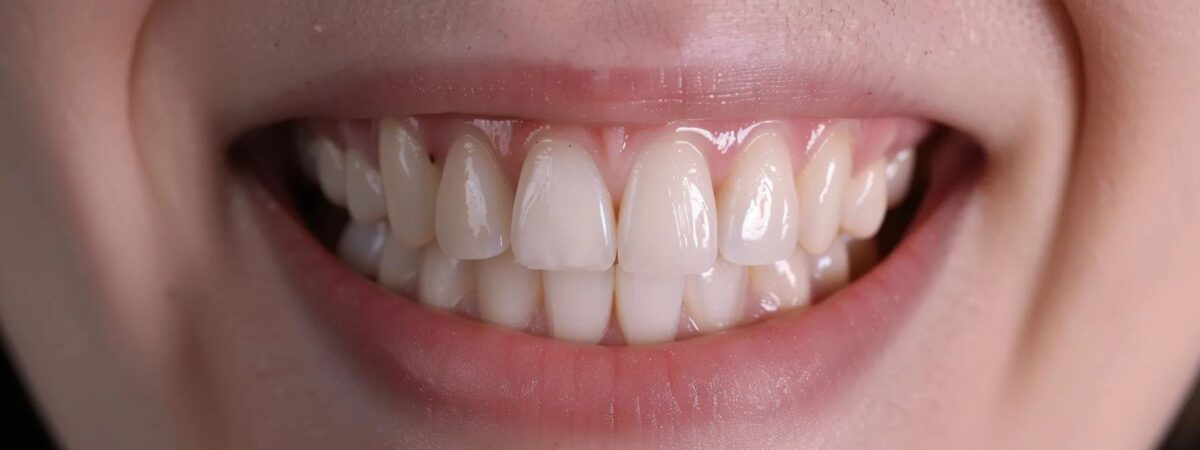
People interested in improving their smiles may look into dental veneers as a potential solution. A common concern is the degree of pain or discomfort that may be experienced during the procedure. Understanding the veneer process and typical patient experiences can help clarify what to expect before, during, and after placement.
What Are Veneers?
Dental veneers are thin, custom-made shells designed from tooth-colored materials. They cover the front surface of teeth, altering color, shape, size, or length. The two main types of veneers are porcelain and resin composite. Porcelain veneers resist stains effectively and closely resemble natural teeth, and resin composite veneers are typically sculpted and applied on-site.
Receiving veneers may involve three dental visits: a consultation and two appointments for preparation and placement. During the consultation, a dentist evaluates the patient’s teeth, gums, and overall oral health and determines if veneers are appropriate. This evaluation may include X-rays or having impressions of teeth taken.
What Do They Address?
Veneers are frequently chosen by individuals seeking to resolve multiple aesthetic concerns at once, such as color changes, shape correction, minor alignment adjustment, and closure of spaces. In many cases, veneers provide a unified solution, offering cosmetic improvement across several dental issues without pursuing separate treatments. Porcelain and resin veneers are both relatively durable, with porcelain offering greater resistance to stains. Veneers form a strong bond with the natural tooth, providing improved functionality and helping protect the remaining tooth structure. While they are not immune to wear, they offer a robust and aesthetic surface for daily use.
What Should You Expect?
A concern for many patients is pain during veneer placement, particularly during enamel removal. Dentists routinely use local anesthesia to numb the area, significantly reducing sensation and making the procedure more comfortable. Once enamel is removed and the impression is made, some patients notice mild sensitivity, especially to hot or cold. This sensitivity is common and generally temporary. If temporary veneers are placed, they can shield the prepared teeth and reduce discomfort until the permanent veneers are ready.
During the final placement appointment, the dentist checks the fit and color of each veneer and makes adjustments as needed. Before bonding, the tooth surface is cleaned, polished, and etched to improve adhesion. A special dental cement is used to attach the veneer, and a curing light hardens the cement quickly.
After placement, minor discomfort or gum soreness may occur as tissues adjust to the restorations. Gum tenderness usually resolves as the mouth heals.
While most patients do not experience significant pain, individual responses can vary. Sedation options may be available for patients who need additional support during treatment.
Speak Further With a Dentist
Communicating openly about concerns allows dental professionals to adapt their methods, creating a more reassuring environment. Scheduling a thorough consultation with a dentist provides opportunities to discuss any fears, clarify procedural steps, and receive personalized information about what to expect at each stage. This collaborative approach helps patients make informed decisions and supports a smooth transition through veneer placement and recovery.