
Choosing the Right Plastic Surgeon for Your Needs
March 12, 2026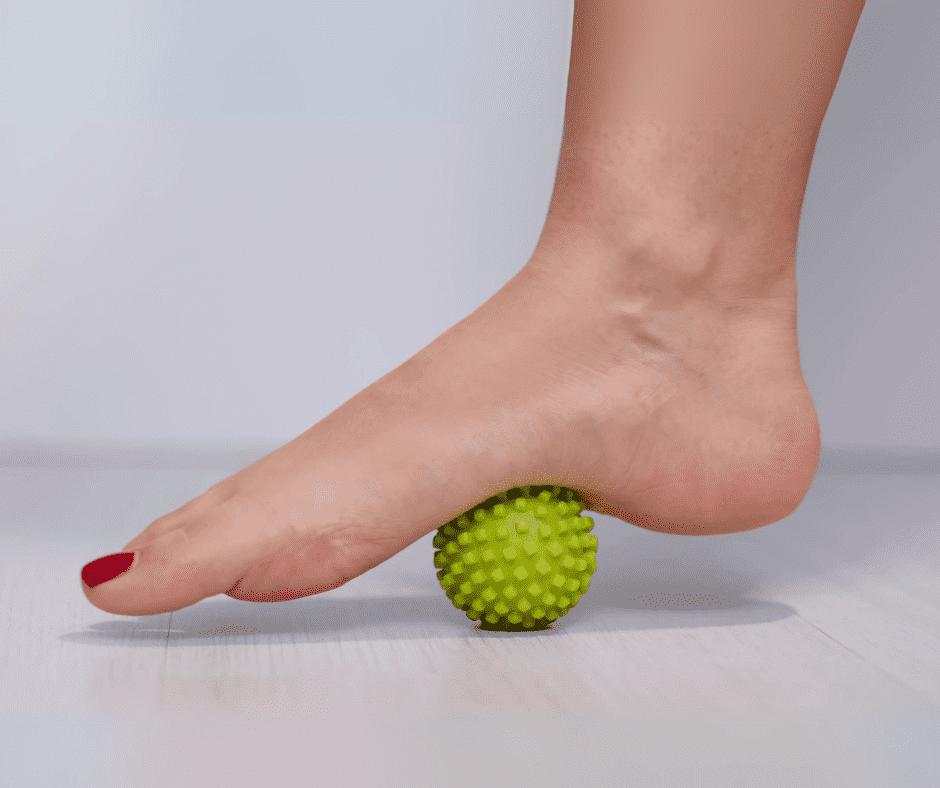
Heel pain is a frequent complaint for runners, jumpers, and court athletes. The intense demands placed on the feet during high-impact sports can lead to a variety of conditions, one being plantar fasciitis. This specific musculoskeletal issue affects the thick band of tissue running across the bottom of the foot. Understanding the mechanisms behind this pain and learning professional management strategies helps athletes navigate recovery effectively.
What Is Plantar Fasciitis?
Plantar fasciitis involves the inflammation of the plantar fascia, which is a thick ligament that connects your heel bone to the front of your foot. This fascia acts as a structural shock absorber and supports the arch of your foot, helping you walk, run, and jump smoothly. When athletes repeatedly place excessive stress on this ligament, micro-tears develop within the tissue fibers. These tiny tears lead to localized inflammation. This results in a sharp, stabbing pain situated directly beneath the heel.
Athletes typically experience the most severe pain with their first steps in the morning or immediately after a long period of rest. The stiffness and pain tend to decrease gradually as the foot warms up during light daily activity. Following intense exercise or competition, the pain frequently returns with increased severity. Athletes rely heavily on their lower extremities to perform at peak levels, so this inflammation severely limits their ability to compete and train at their normal baseline.
What Causes It?
High-impact sports place immense repetitive stress on the feet and lower legs. Over time, this repetitive stretching degrades the ligament structure. Several mechanical and environmental factors contribute directly to this tissue degradation, and sudden increases in intensity can trigger immediate inflammation.
Foot mechanics play a substantial role in symptom development, as flat feet or unusually high arches change the way weight is distributed across the bottom of the foot. This uneven weight distribution forces the plantar fascia to handle excess tension it was not designed to bear. Tight calf muscles also pull directly on the heel bone, increasing the daily mechanical strain on the arch of the foot.
How Is It Managed?
Medical professionals typically recommend a combination of conservative therapies, reducing inflammation and promoting tissue healing. Rest serves as the primary intervention for acute heel pain, as reducing high-impact activities allows the fascia to heal naturally. Stretching and strengthening routines form the foundation of long-term management. Physical therapists guide athletes through specific movements designed to lengthen the plantar fascia. Orthotics and supportive footwear correct biomechanical imbalances that cause pain. Custom or over-the-counter arch supports distribute pressure more evenly across the foot structure.
Speak Further With a Podiatrist
Persistent heel pain requires professional medical evaluation to prevent long-term structural damage. A podiatrist utilizes advanced imaging technologies to visualize the exact extent of tissue damage. These advanced imaging tools help differentiate plantar fasciitis from other complex foot conditions with similar symptoms, like stress fractures. Based on these advanced diagnostics, they design personalized rehabilitation protocols and custom orthotic devices. Seeking specialized medical care directly addresses the underlying biomechanical issues and helps athletes return to their sport safely and effectively.