
Exploring the Benefits of Morpheus8 for Skin Rejuvenation
February 19, 2026
Understanding What TMS Therapy Is and How it Treats Mental Health Conditions
February 20, 2026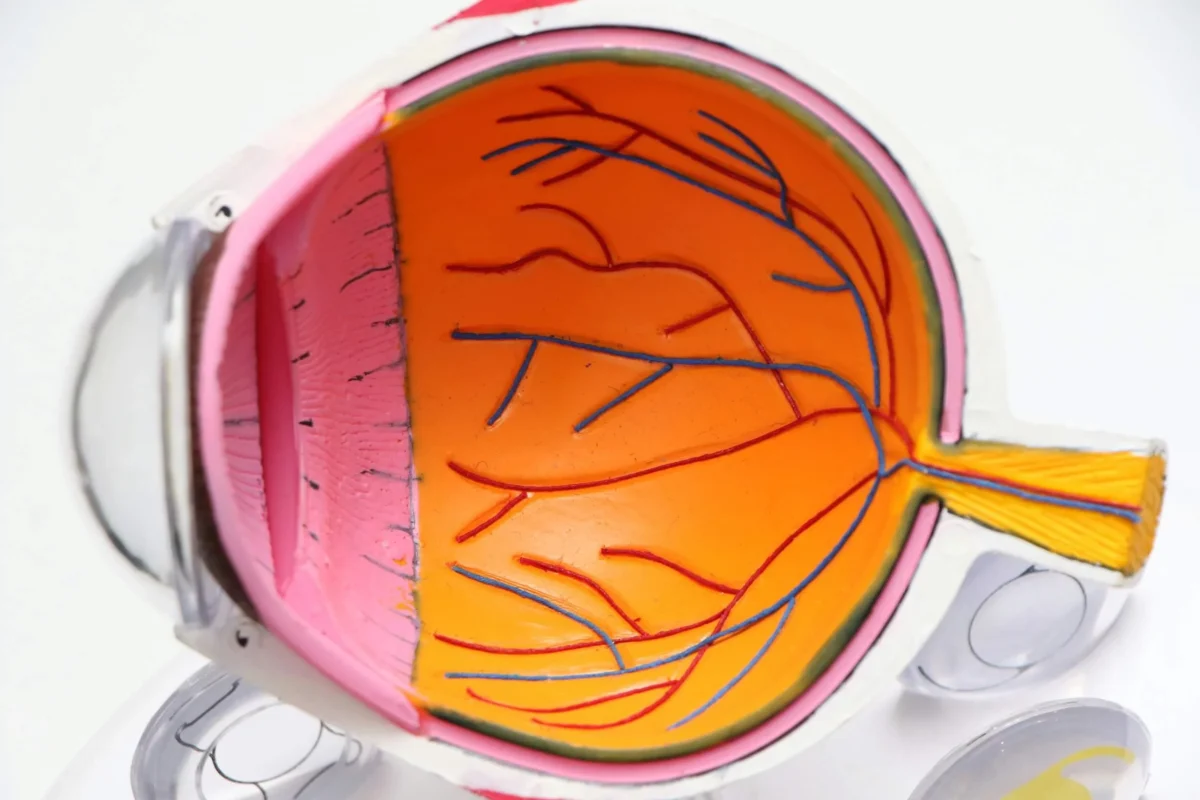
Glaucoma refers to a group of conditions that damage the optic nerve, which is responsible for sending visual information from your eye to your brain. Increased eye pressure is a factor, but this disease can develop from various causes, making early detection and understanding the condition quite valuable. Separating fact from fiction helps you protect your eye health. Here are some misconceptions about this condition:
Misconception: Only Seniors Get It
The idea that glaucoma only affects older adults is a widespread myth. While the risk does increase with age, this condition is not exclusive to seniors; it may affect people of all ages. Congenital glaucoma occurs in infants, and other forms appear in young adults, so age is just one risk factor among many. Understanding your personal risk profile is a practical step.
Certain groups have a higher predisposition to developing this condition earlier in life. Individuals with a family history of the condition may face a greater risk and have an increased likelihood of developing specific types. Diabetes, high blood pressure, and previous eye injuries contribute to the risk as well.
Misconception: It Automatically Impacts Vision
People may believe a diagnosis means immediate and noticeable vision loss. Glaucoma typically progresses slowly without early symptoms, which is why it may be called the “silent thief of sight.” You might not notice any changes in your vision until the disease has advanced significantly.
Vision loss typically begins with peripheral or side vision. Because central vision remains clear for a long time, daily activities might seem unaffected initially. You might not realize your field of vision is narrowing until substantial damage to the optic nerve has already occurred. Regular eye exams are an ideal way to detect these subtle changes before they become more serious.
This gradual process underscores the need for proactive eye care. Without regular check-ups, the optic nerve damage may become extensive before you are even aware of a problem. Detection allows for management to begin, and this aims to slow the progression and preserve your remaining sight. Managing the condition is a long-term commitment.
Misconception: It’s a Single Disease
Another misconception is that glaucoma is one specific disease. In reality, this condition is a category of eye disorders. A typical form is open-angle glaucoma, where the eye’s drainage canals become less efficient over time. Other types include:
- Angle-closure
- Normal-tension
- Congenital
- Secondary
Each type has different characteristics and may require a unique management approach. For some people, angle-closure glaucoma can occur suddenly and is a medical emergency, while normal-tension glaucoma involves optic nerve damage even with normal eye pressure. An accurate diagnosis of the specific type you have is the first step toward effective management.
Misconception: Surgery’s the Only Option
The belief that surgery is the only treatment for glaucoma is incorrect. Management plans are typically personalized, and they frequently start with less invasive methods. Prescription eye drops are a standard first-line treatment used to lower pressure inside the eye. Oral medications might be prescribed to help reduce eye pressure, or your ophthalmologist might suggest laser therapy.
Get Checked for Glaucoma Today
Understanding the facts about glaucoma is helpful for protecting your vision. Since early-stage glaucoma has few symptoms, comprehensive dilated eye exams are the key to detection. If you have risk factors or are concerned about your eye health, scheduling an appointment with an eye care professional is a positive step.