

How Pain Specialists Tailor Treatment Plans for Individual Needs
August 7, 2026
How Do Parents Support Children With ADHD?
August 7, 2026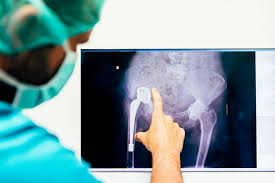
Hip replacement surgery replaces a damaged hip with an artificial one, and surgeons perform this procedure when arthritis or injury wears down the joint. Recovery depends heavily on the steps you take at home. Since the weeks after surgery shape your mobility, careful daily habits matter. Here are some practical techniques that support a steady recovery:
Modify Home Settings
Your home needs adjustments before you return from the hospital. Loose rugs create tripping hazards, so remove them and clear wide walking paths. When you plan ahead, you may reduce the strain of bending or reaching during early recovery from hip replacement surgery.
Keep frequently used items within arm’s reach, and place a sturdy chair with armrests in your main living area. Since stairs pose a challenge early on, a single-level setup helps you move safely. Set up a recovery space on one floor of your home. A few key changes make daily tasks easier; focus on these updates before surgery:
- Install grab bars near the toilet and shower
- Use a raised toilet seat
- Add nonslip mats in the bathroom
- Keep a reacher or grabber tool nearby
Attend Physical Therapy
Physical therapy rebuilds strength and range of motion in your hip. A therapist guides your exercises, and each session targets specific muscles around the joint. When you attend regularly, you follow a structured plan built for your recovery stage.
Start therapy soon after surgery, often within the first day. Early movement supports circulation, and gentle exercises reduce stiffness in the joint. Since progress builds gradually, consistency shapes your results more than intensity.
Practice your prescribed exercises at home between sessions. Your therapist assigns simple routines, and these movements reinforce the work you do in the clinic. Skipping home exercises slows the momentum you build during appointments.
Adhere to Movement Restrictions
Your surgeon sets specific limits on how you move your new hip. These restrictions protect the joint while it heals, and you follow them for several weeks. Ignoring these guidelines risks dislocation during the fragile early phase. Certain movements strain the healing joint, so avoid these positions until your surgeon clears you:
- Bending your hip past 90 degrees
- Crossing your legs at the knees or ankles
- Turning your foot inward or outward
- Twisting at the waist while standing
Take Medications Diligently
Your care team prescribes medications to manage pain and prevent complications. Follow the schedule exactly, and record each dose to avoid confusion. Since some drugs thin the blood or fight infection, missing doses affects your safety.
Pain medication helps you move and complete therapy exercises. When side effects appear, contact your surgeon rather than adjusting the dose yourself. Take it as directed, and never combine it with alcohol or unapproved drugs.
Track your medications with a simple system. A written chart or phone reminder keeps you on schedule. As recovery involves several prescriptions at once, an organized routine prevents errors.
Schedule a Hip Replacement Follow-up
Follow-up visits let your surgeon check how the joint heals, and these appointments track your progress so your surgeon can adjust your care plan as needed. Since complications sometimes develop quietly, regular checkups catch problems early. Your daily choices, from home setup to therapy attendance, shape how well you heal. Call a clinic today to schedule your hip replacement follow-up and stay on track with your recovery plan.