
Common Causes and Best Treatments for Abdominal Pain
July 15, 2026
Regenerative Medicine: Transforming the Future of Health Care
July 16, 2026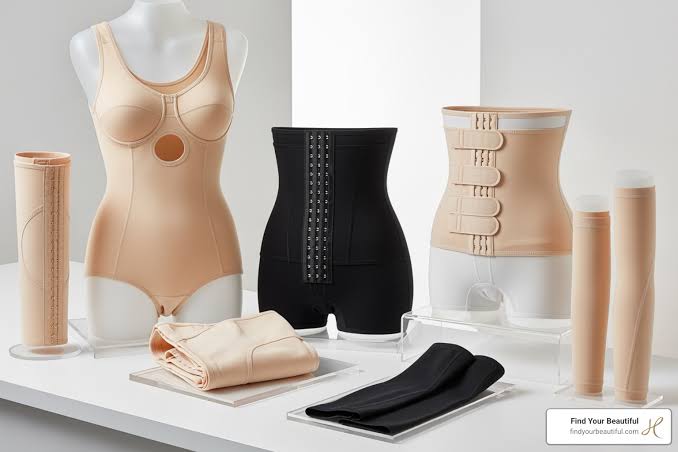
Liposuction is a cosmetic surgical procedure that removes localized fat deposits from targeted areas of the body. The goal of liposuction is body contouring, or reshaping specific regions to achieve a slimmer, more defined appearance. Liposuction is not a weight-loss solution, but it can refine areas where fat tends to resist diet and exercise. Here is more information about liposuction and the recovery phase after the procedure:
Identifying Common Treatment Areas
Liposuction works effectively on areas that tend to hold fat that does not respond to diet and exercise, and candidates vary based on individual body composition and goals. Surgeons commonly treat the following areas on the body:
- Abdomen and flanks
- Inner thighs
- Outer thighs
- Upper arms
- Back and bra line
- Chin and neck
- Buttocks
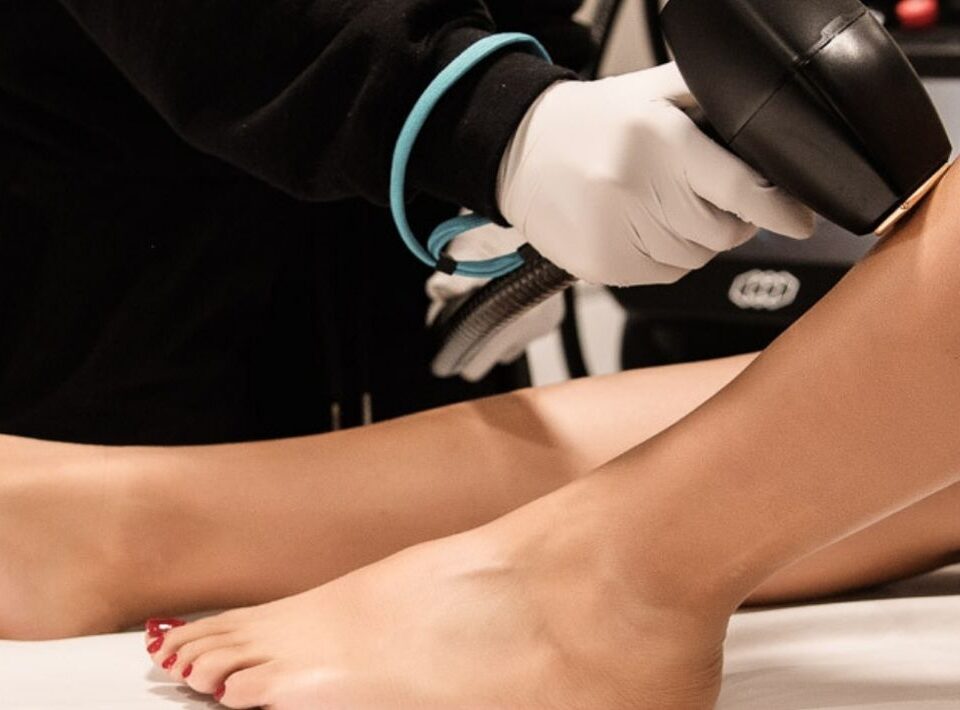
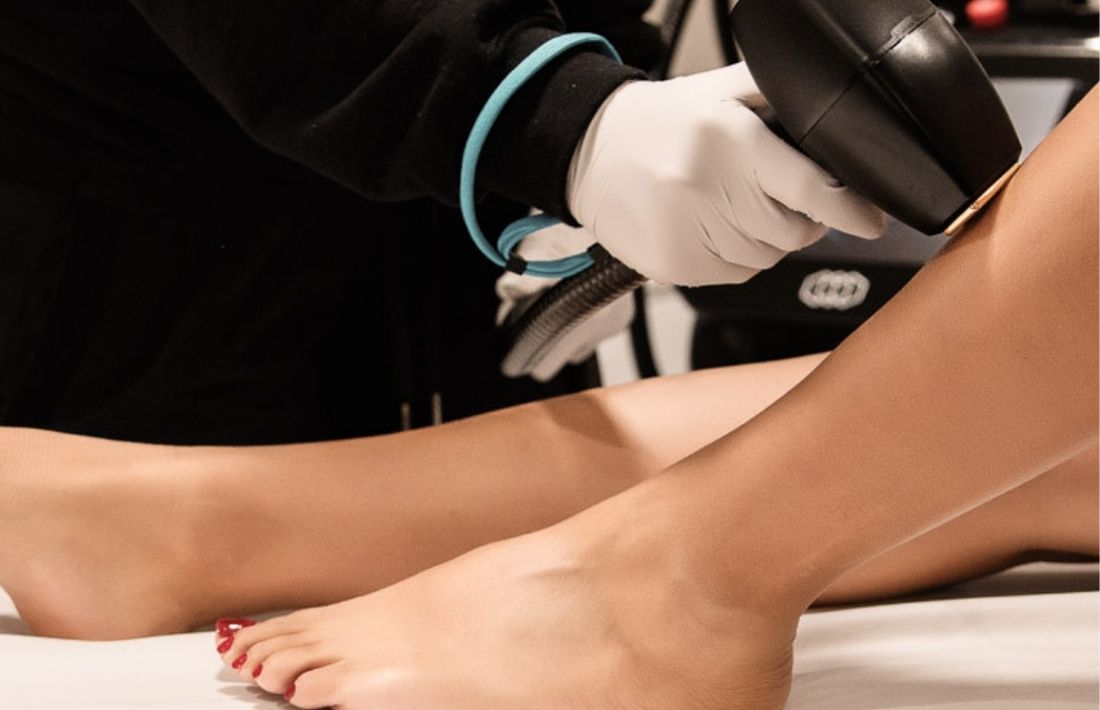
Laser liposuction is a modern advancement in body contouring that uses laser energy to liquefy fat cells before removal, making the process less invasive than traditional liposuction. One of its primary advantages is the ability to target smaller, more delicate areas with precision, resulting in smoother contours. The heat generated by the laser promotes collagen production, and this can help tighten the skin and improve overall firmness in the treated area. Laser liposuction typically involves shorter recovery times and less bruising, as it minimizes trauma to surrounding tissues compared to traditional methods. This technique is ideal for patients seeking a minimally invasive option for achieving refined body sculpting results.
Recovering From Liposuction
The first few days after liposuction bring swelling, bruising, and soreness in the treated areas. Compression garments are typically worn to minimize swelling and support the newly contoured tissue, and most patients can resume work within a few days. During the first six weeks of recovery, you should reduce the number of activities you participate in to support your recovery and heal properly.
Reducing and Managing Scarring
Incisions from liposuction are small, but proper aftercare can make a difference in how they heal. Keeping the incision sites clean and moisturized supports skin recovery, and avoiding sun exposure on healing skin helps prevent discoloration. Many providers recommend silicone-based scar gels or sheets once the wounds have closed.
Patients can actively support the healing process by incorporating the following actions in their daily routine:
- Prioritize nutrition and hydration: Consuming a nutrient-dense diet and maintaining proper hydration levels provides the elements required for tissue regeneration.
- Abstain from smoking: Smoking impairs blood flow to healing tissues and may delay the recovery timeline.
- Adhere strictly to clinical guidance: Following the detailed post-operative instructions provided by your surgical team helps the skin heal properly.
By incorporating these practices into your recovery regimen, you can improve your healing outcomes and minimize the risk of complications. Consult your healthcare provider with any concerns or questions for a smoother and more effective recovery process.
Learn More About Liposuction Recovery
Liposuction is a targeted body-contouring procedure with a recovery process that requires care and patience. Laser liposuction may be an alternative worth exploring; various providers offer this technique as a less invasive option. To discuss your candidacy and goals for liposuction, schedule an appointment at an aesthetics center today.