Navigating the Allergy Testing Process
July 29, 2026
What is Sclerotherapy?
July 29, 2026
Skin cancer develops when abnormal skin cells grow uncontrollably, and Mohs surgery helps treat it effectively. Prolonged ultraviolet (UV) radiation exposure is a primary cause, which necessitates careful prevention strategies by a dermatologist. Here is more information on Mohs surgery, including what the procedure involves, why it is performed, and what recovery typically looks like:
What Is Mohs Surgery?
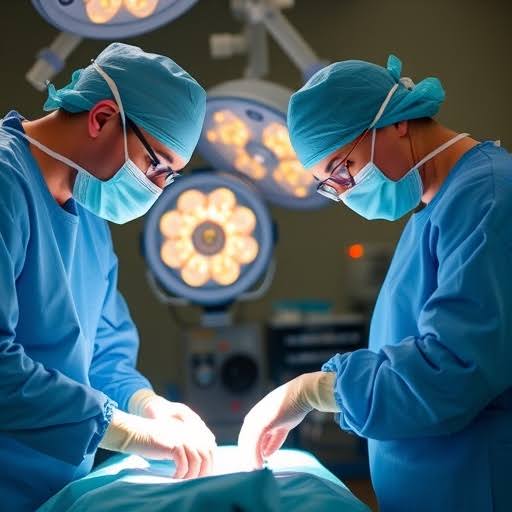
Mohs surgery is a precise surgical technique used to treat skin cancer, and it is one of the most effective options available. A dermatologist removes thin layers of cancerous tissue one at a time. Each layer is examined under a microscope before the surgeon proceeds, which makes sure that no cancerous cells are overlooked.
Why Is It Conducted?
Mohs surgery is recommended in several specific clinical scenarios. These include cases where:
- The skin cancer is located in cosmetically sensitive or functional areas, such as the face, ears, hands, or feet
- The cancer has recurred, has poorly defined borders, or carries a high risk of returning
- Tissue conservation is a priority, as the layer-by-layer removal technique preserves as much healthy surrounding tissue as possible
Understanding these indications can help patients and clinicians determine whether Mohs surgery is the most appropriate course of treatment.
What Does the Process Involve?
Mohs surgery is performed in an office surgical suite under local anesthesia. The surgeon begins by removing a visible layer of the tumor, and a thin margin of surrounding tissue is excised alongside it. This tissue is then mapped, color-coded, and examined under an on-site microscope, which allows for precise identification of remaining cancer cells.
If cancer cells are detected at the margins, the surgeon removes another targeted layer from the exact area where cells were found. This cycle continues until the margins are completely clear. Laboratory analysis occurs in real time during the appointment, and the full procedure can take several hours to complete.
Once the cancer is fully removed, the surgical team addresses the wound. The method of closure depends on the size and location of the affected area, and the team will select the most appropriate option based on the individual case. Potential closure methods include natural healing, suturing, or repair.
What Is Recovery Like?
Recovery varies depending on the size and location of the wound, as well as how the wound was closed. Swelling, bruising, and tenderness are common in the days following the procedure, and these effects may subside within a couple of weeks. The surgical team will provide wound care instructions, which generally include keeping the area clean and protected. Sunscreen may also be necessary to support proper healing.
Skin cancer can return even after successful treatment, so ongoing skin checks are a recommended part of long-term care. Follow-up appointments allow the dermatologist to monitor healing and check for any signs of recurrence. These appointments are an integral component of post-surgical care, and attending them consistently supports long-term outcomes.
Learn More From a Dermatologist
Mohs surgery is a high-precision treatment for specific types of skin cancer; the procedure removes cancerous tissue layer by layer, preserves healthy surrounding skin, and provides real-time confirmation that margins are clear. Patients may resume normal activities within a short timeframe. If you have skin cancer and are looking to learn more about this surgery, consult a dermatologist.