
Understanding the Reasons You Should Get a Colonoscopy
February 23, 2026
How Sports Medicine Helps Active Individuals
February 23, 2026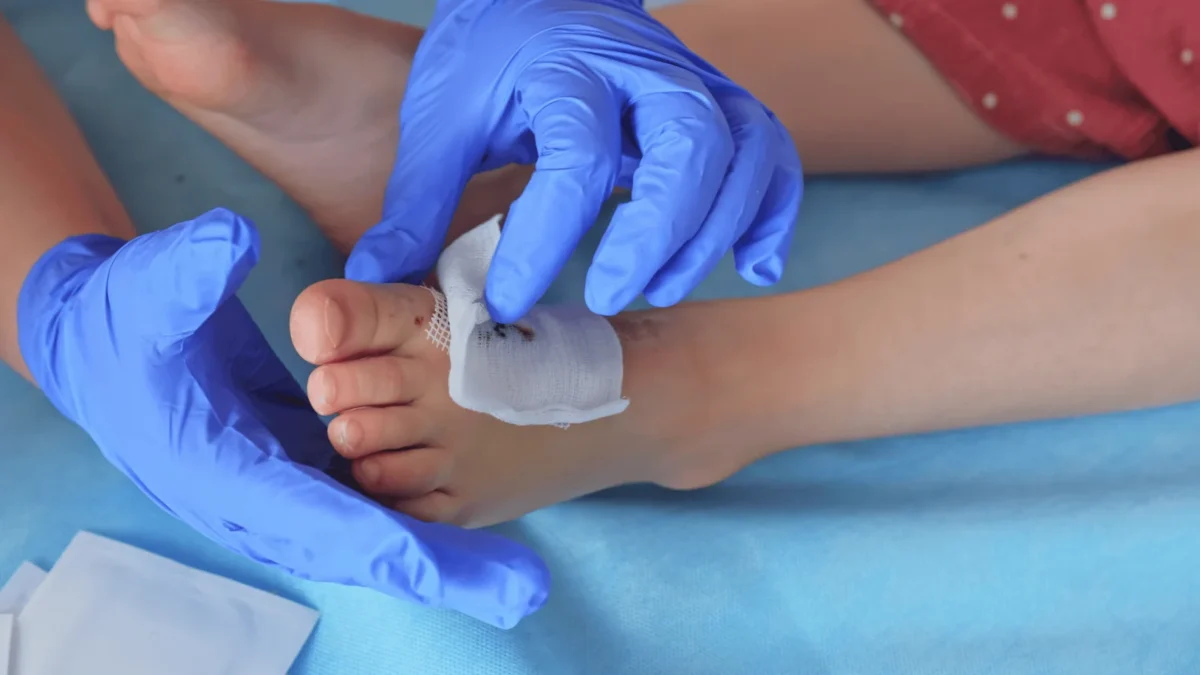
Because the skin acts as a protective barrier, any break in the skin requires immediate medical attention. Proper wound care supports the body’s natural healing mechanisms efficiently. You might treat minor cuts at home, but severe injuries demand professional assistance. Here are some questions that you may have about wound care:
How Do I Clean Wounds?
Rinse the injury immediately with cool water, and apply mild soap around the jagged edges. Foreign debris causes significant physical irritation during the initial phases of the natural healing process. If visible dirt remains in the wound, use sterilized tweezers for careful, precise removal. Scrubbing the center damages sensitive tissue, so you must avoid applying harsh friction.
While hydrogen peroxide is common, it often damages healthy, regenerating tissue cells chemically. Sterile saline solution works best for cleansing most open injuries safely and effectively. Pat the area dry gently, and apply a sterile bandage to the site immediately. Daily cleaning prevents bacterial growth while promoting a better environment for closure.
Should I Air It Out?
People may wrongly believe that open wounds need fresh air to heal properly. This belief is a dangerous myth, and moisture supports faster tissue recovery. When a hard scab forms too quickly, it blocks new skin cells from migrating across. Keeping the area covered offers three distinct advantages over leaving it exposed:
- Keeps harmful environmental bacteria out of the site
- Maintains necessary moisture levels for cell repair
- Reduces visible scarring risks significantly during healing
What’s My Wound Type?
Because blood flow varies per patient, medical professionals in wound care categorize injuries by their underlying cause. Diabetic ulcers occur on the feet, and they result from uncontrolled nerve damage over time. Arterial ulcers develop from poor circulation within the main arteries of the legs. These specific injuries require offloading techniques for proper and timely closure.
Venous ulcers typically appear on the lower legs near the inner ankle bone. When veins fail to return blood, fluid builds up underneath the skin surface. Surgical wounds are deliberate incisions, but they still carry post-operative infection risks. Monitoring incision sites prevents many postoperative complications from developing.
Traumatic injuries include cuts or grazes, and these happen unexpectedly during accidents. Radiation wounds follow specific cancer treatments that impact the skin’s structural integrity. Since skin becomes fragile, these areas require specialized monitoring protocols for safety. Medical teams assess these injuries based on tissue damage depth and location.
How Long Does Recovery Take?
While minor cuts heal quickly, chronic wounds typically linger for several months. Several internal and external factors influence the body’s repair speed and efficiency. Nutrition plays a huge role in wound care, and smoking may slow the process significantly. Adequate protein intake supports tissue rebuilding during the intense recovery phase.
Find Wound Care Services Today
Professional medical support helps manage complex healing requirements safely and effectively. Contact our clinic today, or schedule an appointment online for a consultation. If you suspect an infection, seek medical guidance immediately to prevent spreading. A medical team can provide expert assessment, and they create personalized treatment plans for each patient.