
Exploring the Latest Techniques Used by Vascular Surgeons
February 27, 2026
Benefits of Specialized Orthopedic Clinics for Joint Care
February 27, 2026
The skin is the body’s largest organ. It protects against viruses, bacteria, and moisture loss. It also helps control temperature. Dermatology treats problems with the skin, hair, and nails, and doctors offer care for people of all ages, from infants to seniors. Early attention to skin health can catch problems sooner, but many people ignore it until an issue appears.
Understanding Dermatology
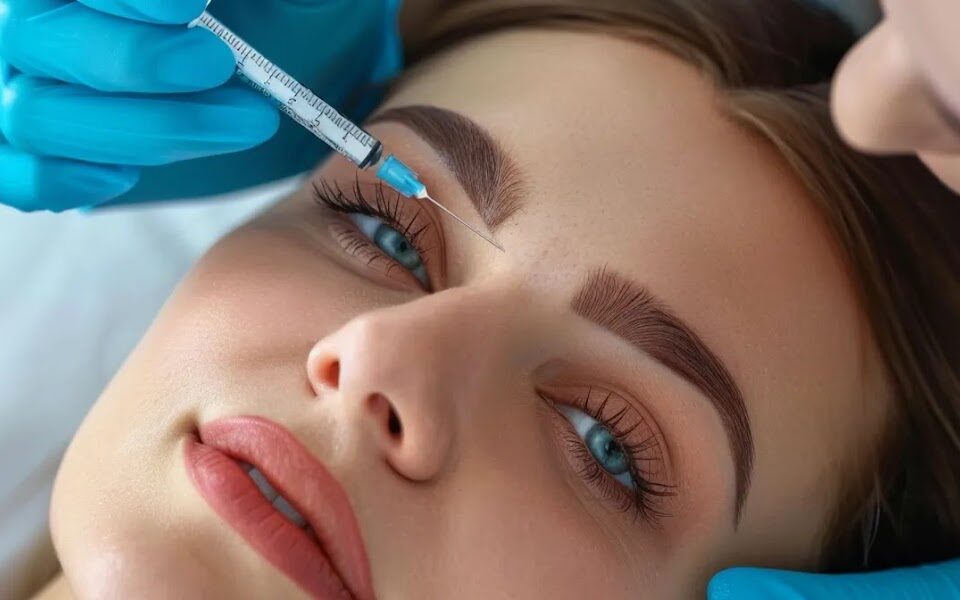
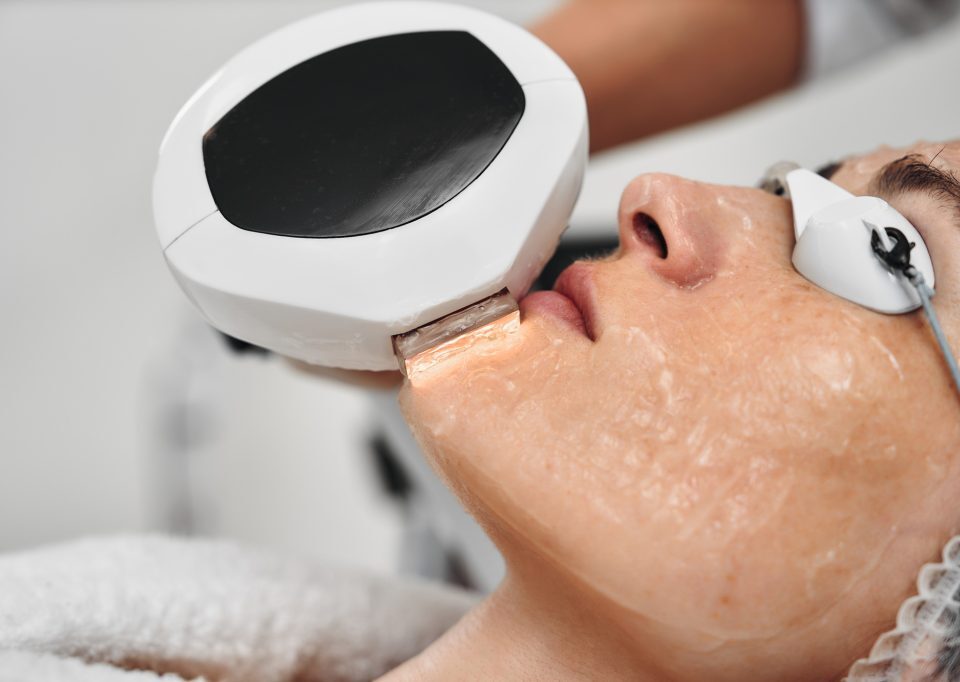
Dermatology has several main areas. Medical dermatology treats all skin issues, while cosmetic dermatology improves the look of the skin, such as by treating wrinkles and dark spots. Procedural dermatology covers surgeries like biopsies, wart removal, and skin cancer treatment. Pediatric dermatology deals with skin problems in children and uses treatments suited for delicate skin.
Regular attention to skin health helps prevent serious problems. You should check your skin often, and you should visit a doctor if you notice changes. Using sunscreen protects skin from ultraviolet rays, and moisturizing daily keeps it from becoming dry or cracked. Eating a balanced diet supports healthy skin, while drinking enough water helps maintain moisture. Because early detection improves treatment outcomes, noticing rashes, lumps, or unusual spots is important, and consulting a dermatologist can prevent small issues from becoming serious.
Addressing Common Conditions
Dermatologists treat many skin, hair, and nail problems. Common issues are acne, eczema, dermatitis, psoriasis, and fungal infections, and these problems can also affect your general health. Doctors address autoimmune diseases and hair loss, too, and they remove warts and moles when needed. Skin cancer remains a concern, and regular checks help since early treatment works better. Changes in skin, hair, or nails may signal larger health issues, so watch for signs like itchy skin or changes in nails to help protect your health.
Managing Aging Skin
As you age, your skin gets thinner, drier, and less stretchy. The outer layer pales, and blood vessels break more easily, so bruising is common. Loss of collagen and elastin causes wrinkles, while hormones or health issues like diabetes can make skin texture worse. Sunlight also harms skin over time, and ultraviolet rays break down cells, which speeds up aging and can cause cancer.
Dry skin is very common in older adults. It can form as rough, scaly patches, often on the arms or lower legs, and not drinking enough water or getting too much sun makes dryness worse. Smoking can also dry out your skin, but moisturizing every day helps manage the problem. Some people get harmless growths like age spots or skin tags, and these growths can be treated if they bother you.
Talk to a Specialist
Dermatology helps keep your skin, hair, and nails healthy. It treats problems like acne and skin cancer, and this care is for people of all ages. Doctors handle medical and cosmetic needs using different methods, while good habits and sun protection help prevent damage. If you are at higher risk for cancer, visit a skin doctor often, and anyone with a skin problem should talk to a doctor. Working with professionals helps you spot issues early and avoid serious health problems before they develop. Talk to a specialist today to learn more about your skin.