Exploring the Role of a Spine Surgeon in Treating Chronic Pain
October 20, 2026Understanding the Role of a Gynecologist in Women’s Health
October 21, 2026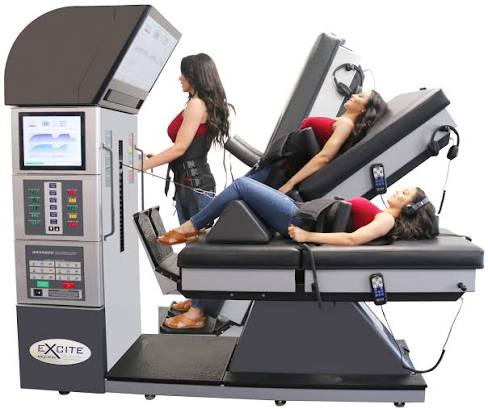
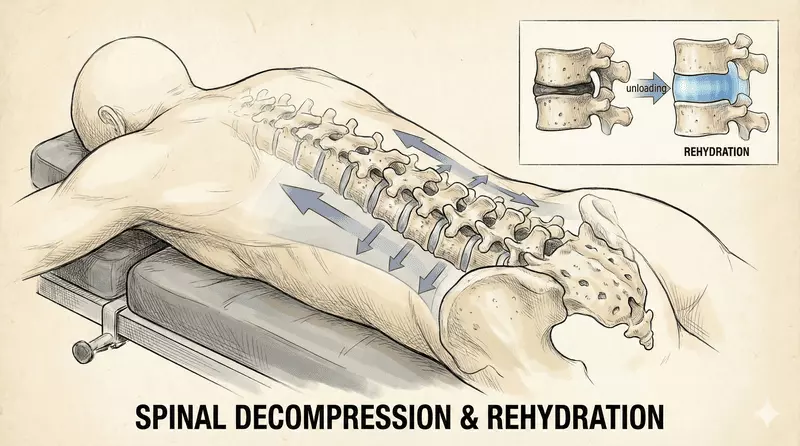
Non-surgical spinal decompression is a motorized treatment for certain types of back and neck pain, and it gently stretches the spine, aiming to relieve pressure on spinal discs and nerves. Since it involves no incisions or anesthesia, many patients look into it before they explore surgery. Here is more information on how each stage of the process works:
Controlled Traction Therapy
When you arrive for a non-surgical spinal decompression session, a provider positions you on a padded, computer-controlled table. A harness fits around your hips or neck. The table moves slowly, and the harness applies a steady pull to your spine. Most treatment plans call for a series of sessions over several weeks.
The pull lasts for a set time, and then the table releases the tension. This cycle repeats throughout a session, which is typically short. Patients stay fully clothed during treatment.
A computer controls every stage of the traction. If you feel discomfort, you tell the provider right away. The provider adjusts the settings, or the session ends early. The sensation is typically a gentle stretch.
Precise Distraction Force
Distraction means separating the vertebrae slightly. The machine applies force at a specific angle, and it targets the affected spinal segment. To do this, your provider sets the angle after they review your imaging and exam results. Settings depend on factors like these:
- Your body weight
- The location of the affected disc
- Your comfort level during earlier sessions
- Your provider’s treatment plan
Since the force rises gradually, your muscles have less reason to tighten. Tense muscles resist the stretch. The software tracks resistance in real time, and it lowers the pull in response.
Reduced Disc Pressure
Spinal discs sit between your vertebrae, and they act as cushions. Each disc has a soft, gel-like center. When a disc bulges or herniates, that center may press on nearby nerves. Pressure on these nerves causes pain, numbness, or tingling.
As the spine stretches, pressure inside the disc may drop. This change creates a slight negative pressure, and it may help draw bulging material back toward the center. The process may also improve the flow of water, oxygen, and nutrients into the disc. Results vary from person to person.
Avoided Surgery
Some patients use decompression to delay or avoid spinal surgery. Whether it fits your situation depends on your diagnosis and overall health. A provider reviews your medical history, and they may order imaging first. Candidates include people with these conditions:
- Herniated or bulging discs
- Degenerative disc disease
- Sciatica-related issues
- Pinched nerves
Decompression doesn’t suit everyone, and some conditions rule it out. Pregnancy, spinal fractures, and advanced osteoporosis are exclusions. If surgery is the better option, your provider will explain why. Many treatment plans also include exercise or physical therapy.
Schedule Non-surgical Spinal Decompression
If back or neck pain keeps returning, a professional evaluation is a practical first step. Bring a list of your symptoms, and note any past imaging or treatments. Ask about costs, insurance coverage, and the expected number of sessions. Contact a spine health clinic to schedule a consultation and learn whether this therapy fits your needs.