

Holistic Strategies for Effective Pain Management
March 5, 2026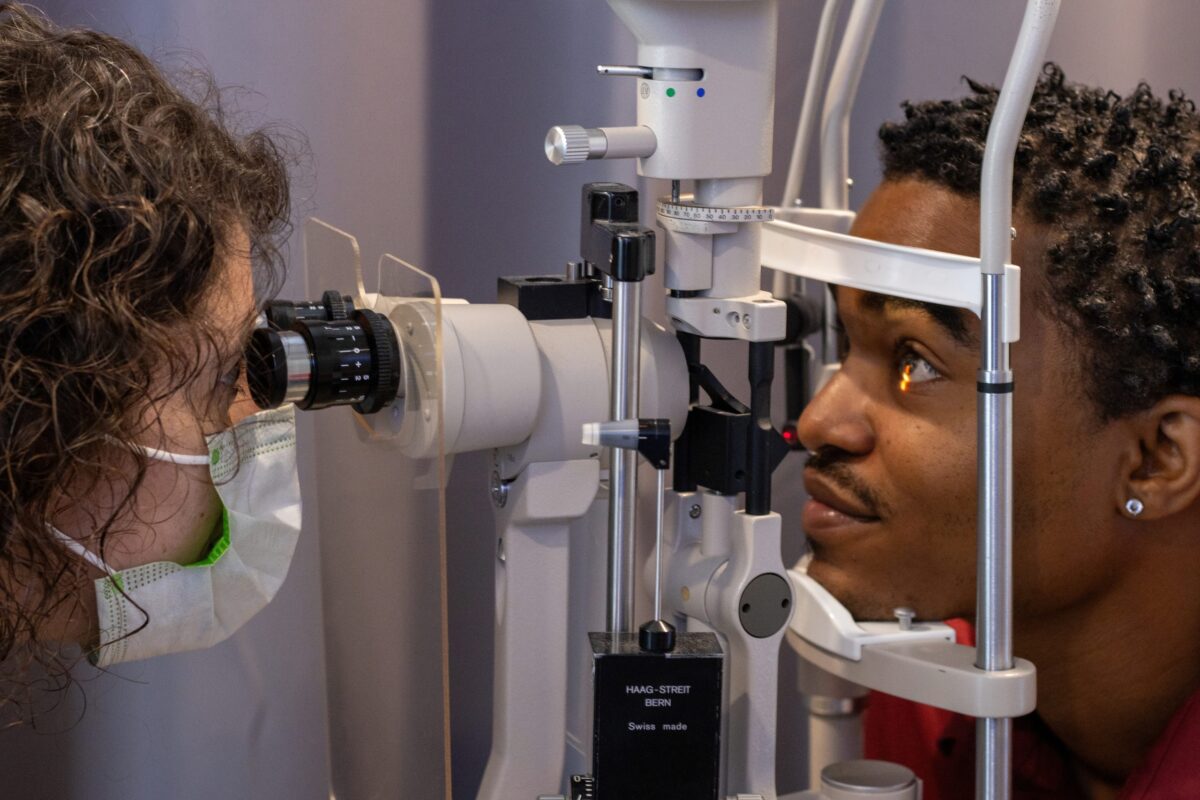
Selecting an eye doctor is a significant decision. When it comes to eye care, understanding the different types of specialists and the services they offer can help you find the right professional for your specific situation. Your eyes are complex organs that require specialized care to maintain their health and function throughout your life.
What Is an Ophthalmologist?
An ophthalmologist is an eye doctor who specializes in comprehensive eye and vision care. These physicians are licensed to practice medicine and surgery. Their extensive training equips them to diagnose and treat a variety of eye diseases. They can also prescribe and fit eyeglasses and contact lenses to correct vision problems. Some ophthalmologists may complete training to sub-specialize in specific areas of medical or surgical eye care, such as glaucoma, retina, or cornea surgery. This advanced training allows them to manage complex or specific conditions affecting certain parts of the eye or particular patient populations.
What Services Do They Provide?
Ophthalmologists offer a full spectrum of eye care services. This includes everything from routine eye exams to intricate surgical procedures. They diagnose and manage a wide range of conditions, such as cataracts, glaucoma, macular degeneration, and diabetic retinopathy. They can prescribe medications, such as eye drops, to treat infections or chronic diseases.
Surgical services are a large part of an ophthalmologist’s practice. They perform procedures like cataract surgery and can repair retinal detachments or treat glaucoma. They also manage eye conditions related to other diseases, like diabetes, often working in coordination with other medical specialists. Beyond medical treatments, they also conduct vision services, including prescribing eyeglasses and contact lenses.
What Should You Expect?
During a visit to an ophthalmologist, you can anticipate a thorough examination of your eyes and vision. The appointment may begin with a staff member gathering your medical history and inquiring about any current eye problems. They can perform initial tests, including checking your visual acuity using an eye chart.
The ophthalmologist will then conduct a detailed examination. This may involve using various instruments to look at the internal and external structures of your eyes. Pupil dilation allows the doctor to get a better view of the back of your eye, which can include the retina and optic nerve. The doctor will discuss the findings with you, diagnosing any conditions and recommending a treatment plan if one is necessary. This plan could involve medication, a prescription for corrective lenses, or a recommendation for a surgical procedure.
Choose the Best Eye Doctor
Finding the right doctor involves evaluating your own personal eye health needs. If you require a routine eye exam or a new prescription for glasses, many types of eye care professionals can assist you. For individuals with a known eye disease, a family history of eye conditions, or a medical condition that may affect the eyes, such as diabetes, seeking care from an ophthalmologist may be appropriate. Recommendations from your primary care physician can be a valuable resource. You can start by researching your options and understanding your needs to find a qualified eye doctor to help protect your vision.