

What Happens During a Salpingectomy Procedure?
February 22, 2026
How Pain Centers Address Fibromyalgia
February 23, 2026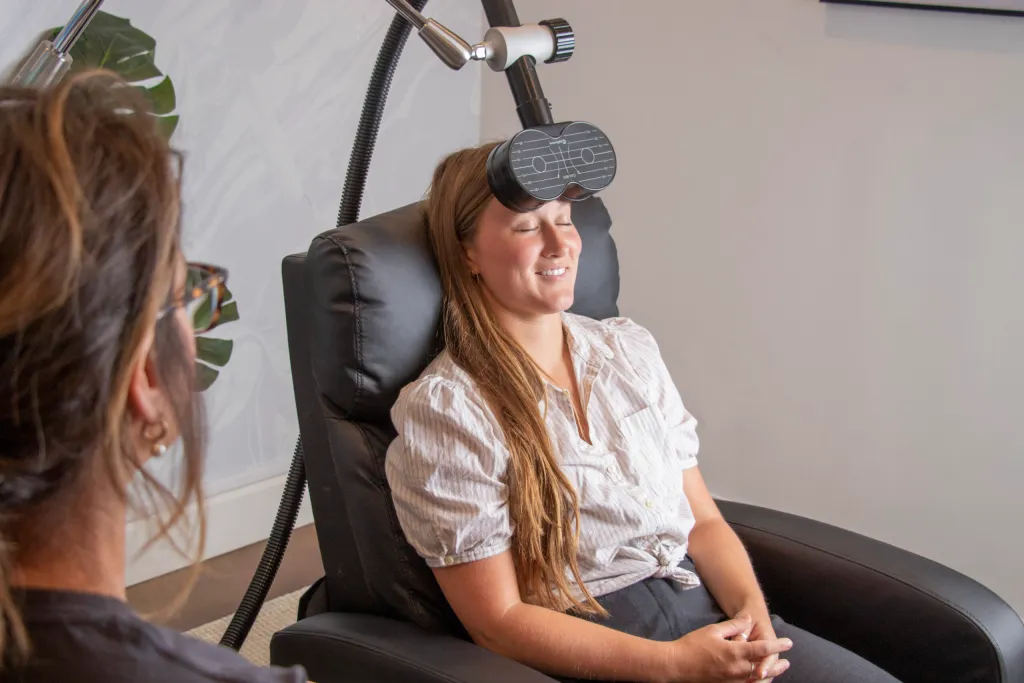
Depression creates hurdles for daily functioning and wellness. Standard treatments like medication help some patients, yet others find little relief from traditional options alone. Transcranial Magnetic Stimulation (TMS) offers another pathway for recovery when previous attempts have not succeeded. This non-invasive procedure targets areas of the brain that regulate mood, without requiring surgery or anesthesia.
Mechanics of Stimulation
Transcranial magnetic stimulation therapy utilizes magnetic fields to stimulate nerve cells in the brain. A treatment coil is placed on the scalp, and it delivers magnetic pulses to the prefrontal cortex. Pulses activate regions of the left prefrontal cortex. The pulses are focused on mood-regulating circuits. Sessions last 20 to 40 minutes, and patients remain awake throughout the procedure. Because no sedation is necessary, scheduling appointments is easier. TMS appointments fit into your routine, since you do not need recovery time. You may read or listen to music during sessions, and the staff is available if you have questions or concerns.
Methods for Effectiveness
Some patients turn to TMS because they did not improve with antidepressants. This condition is known as treatment-resistant depression, and it requires a specialized approach beyond standard medication management. Clinical studies show that TMS is a viable option when multiple medications have failed to provide adequate relief. If you qualify, a provider will outline what to expect during each phase of your therapy. The treatment is not a cure-all for every individual, but it can provide an option for those who feel stuck in their recovery journey. Doctors recommend a series of sessions over several weeks, and adherence is necessary for the best results. Improvement often appears gradually. Patience remains a key component of the treatment process. For some, continuing daily activities during treatment is a benefit, and regular feedback helps you track progress.
Procedures and Effects
TMS is well-tolerated by most, and side effects are usually mild and temporary. Safety is a primary concern for anyone using a new medical procedure. Common reactions include scalp discomfort or mild headaches during or after treatment, but these usually diminish as your body adjusts to the sessions. Discuss any side effects with your care team, and they may recommend simple measures. These may include over-the-counter pain relief. Large side effects are rare, yet your doctor will screen you thoroughly before starting. This makes sure you are a safe candidate for the therapy, since it is not for everyone.
You do not have to worry about the systemic side effects of medication. These may include weight gain or sedation, because TMS acts locally on the brain. This localized approach allows you to pursue recovery without the physical burdens that often accompany pharmacological treatments. Sessions do not require lifestyle changes, and most people manage treatment well.
Consultation for Transcranial Magnetic Stimulation
Taking the next step involves discussing your options with a qualified healthcare provider. A specialist will review your medical history, and they determine whether TMS is appropriate for you. Insurance coverage for TMS has become more common, but verify your benefits before beginning any new treatment plan. If you are struggling with depression that has not responded to medication, TMS may offer the relief you have been seeking. Contact a provider today. Schedule an evaluation, or ask your current psychiatrist if this therapy aligns with your recovery goals.