

FAQs About Lasik Surgery
February 26, 2026
Understanding Cataract Surgery
February 26, 2026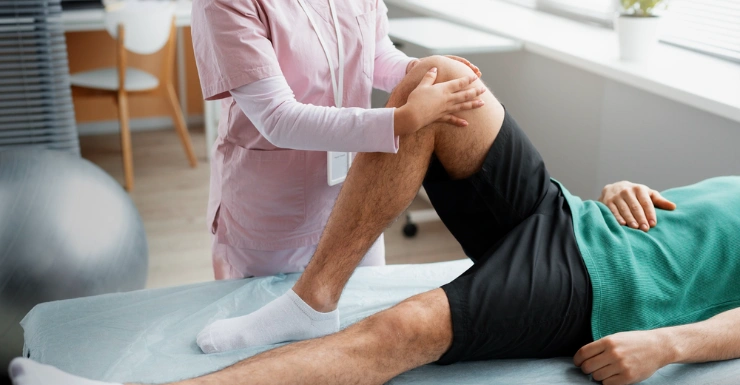
The knee is a large and complex joint in the body, making it susceptible to a variety of injuries and conditions that cause discomfort. Knee pain is a common complaint that affects people of all ages. It may start suddenly after an injury or exercise. It can also begin as a mild discomfort that slowly worsens.
What Is Knee Pain?
Knee pain refers to any discomfort experienced in or around the knee joint. The location and severity of the pain can vary, depending on the cause of the problem. Some people experience a dull ache, while others may have a sharp, shooting pain. The joint itself is composed of bone, cartilage, ligaments, and tendons, all of which can be sources of pain.
Injuries are a frequent cause of knee pain and can include ligament sprains and meniscus tears. Overuse from repetitive motions in sports or certain occupations may lead to conditions like tendonitis or bursitis. Certain medical conditions, such as arthritis, gout, and infections, can also manifest as pain in the knee. The specific reason for the discomfort dictates the appropriate course of action for management.
What Symptoms Accompany It?
Pain is the primary symptom, but it often appears with other signs that provide clues about the underlying issue. Swelling and stiffness are common companions to knee pain. The knee feels difficult to bend and straighten, maybe particularly in the morning or after periods of inactivity.
Redness can indicate inflammation or a possible infection within the joint. Some individuals report a feeling of weakness or instability and a feeling that the knee will “give out” when they put weight on it. Popping or crunching noises during movement may also occur. The presence of these symptoms, particularly when they interfere with daily activities like walking or climbing stairs, signals a need for a professional evaluation. A thorough assessment can help identify the source of these symptoms.
How Is It Treated?
The treatment for knee pain is highly dependent on its specific cause. A healthcare professional may outline a management plan tailored to your condition after a diagnosis. For minor sprains and strains, initial treatment often involves self-care measures. These can include rest, applying ice to reduce swelling, using compression bandages for support, and elevating the leg.
Physical therapy is a cornerstone of treatment for many knee conditions; a physical therapist guides you through exercises designed to strengthen the muscles supporting the knee and improve its flexibility and stability. Medications, such as over-the-counter pain relievers or anti-inflammatory drugs, may be suggested to manage discomfort. A physician might recommend injections directly into the knee joint to reduce inflammation. For severe injuries or degenerative conditions that do not respond to other treatments, surgical procedures may be discussed as a potential option.
Seek Professional Pain Management Services
If knee pain persists despite self-care, worsens over time, or is accompanied by severe swelling, redness, or an inability to bear weight, a consultation with a healthcare provider is recommended. A professional can perform a comprehensive examination, which includes imaging studies to arrive at an accurate diagnosis. They will develop a structured plan to address your specific needs. Engaging with pain management services provides access to a team of specialists who can offer a range of options to help you manage your symptoms effectively and work toward long-term joint health.