
Tips for Choosing the Right Dental Products for Your Needs
March 17, 2026
How CBT Techniques Can Transform Your Approach to Anxiety
March 18, 2026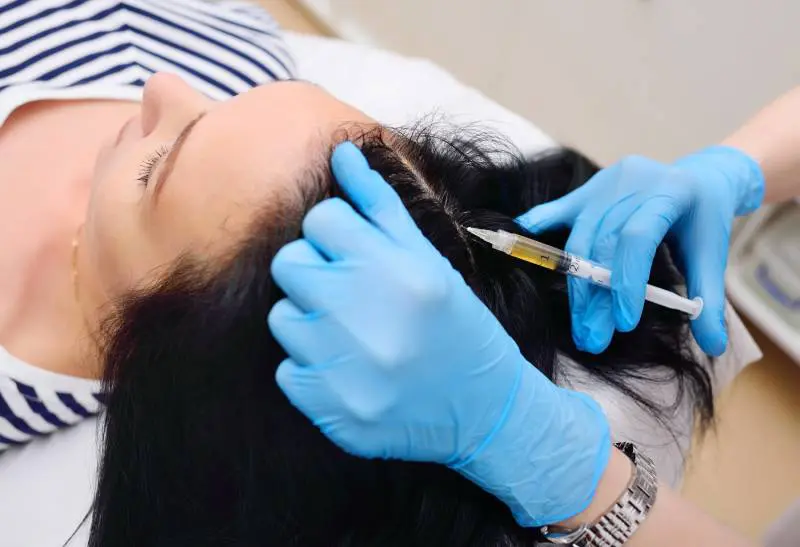
Hair loss is any condition characterized by a reduction in hair volume or density on the scalp or body; it is known as alopecia. Alopecia conditions occur due to genetics, hormonal shifts, or environmental factors. Hair restoration encompasses various techniques to encourage new growth or improve the appearance of thinning areas. Hair loss affects many individuals, and hair restoration methods aim to address it. Here is information on non-surgical hair rejuvenation treatments for many forms of alopecia:
Regenerative Therapies
Regenerative medicine focuses on using biological materials to support natural bodily processes, often to promote repair and healing. For hair restoration treatment plans, these therapies utilize specific cellular components to target hair follicles and promote new growth. Patients typically undergo a series of sessions spaced several weeks apart. There are two popular regenerative therapy options for hair loss concerns:
- Platelet-rich Plasma Therapy
- Exosome Injection Therapy
How PRP Therapy Works
Platelet-rich plasma (PRP) therapy involves using a high concentration of someone’s own platelets. Platelets contain growth factors, and for some individuals, they may prolong the growth phase of their hair growth cycle. Because the material comes from the patient, this method limits the risk of immune rejection. To create the concentrated PRP solution, blood is drawn from the arm, and the plasma is isolated with a centrifuge. Practitioners then inject this plasma into targeted areas of the scalp.
How Exosome Injections Work
Exosomes are extracellular vesicles responsible for cell-to-cell communication, and they carry proteins, lipids, and genetic material to target cells. In hair restoration plans, practitioners inject exosome serums into the scalp to deliver signals to dormant hair follicles. These signals instruct the follicles to enter an active growth phase. Exosome therapy is often recommended for individuals who want an alternative to PRP.
Comprehensive Plans
Managing hair loss often requires a multifaceted approach rather than a single intervention. This is why dermatologists develop comprehensive plans that address various factors contributing to hair thinning. To determine the cause of someone’s alopecia, a dermatologist will evaluate their scalp and run diagnostic tests. Nutritional deficiencies often negatively impact hair health, so practitioners may recommend specific supplements to provide the necessary building blocks for keratin production.
Alongside nutritional support, medical professionals often suggest topical or oral medications. Medications or creams may be applied directly to the scalp to stimulate local blood flow. Topical formulations target the scalp directly, but oral supplements support overall nutrition. Prescription medications may also be used to block specific hormones associated with pattern baldness. Low-level laser therapy is another non-invasive option included in comprehensive plans, using specific wavelengths of light to stimulate cellular activity in the scalp.
Steroid Injections
Steroid injections are utilized for specific types of hair loss, particularly alopecia areata. This autoimmune condition causes the immune system to mistakenly attack hair follicles, causing follicles to prematurely fall out. Dermatologists inject corticosteroids directly into the bare patches on the scalp to suppress the local immune response. By reducing inflammation, the hair follicles can resume normal function and growth cycles. Treatments are usually repeated every four to six weeks.
Visit a Hair Restoration Specialist Today
Understanding your specific type of hair loss is the first step toward finding an appropriate management strategy. A board-certified dermatologist can properly evaluate your scalp, review your medical history, and discuss suitable options. To learn more about your hair health, contact a specialist today.