
Effective Remedies for Heel Pain Relief
July 29, 2026
The Role of Hydro Facials in Your Skincare Routine
July 29, 2026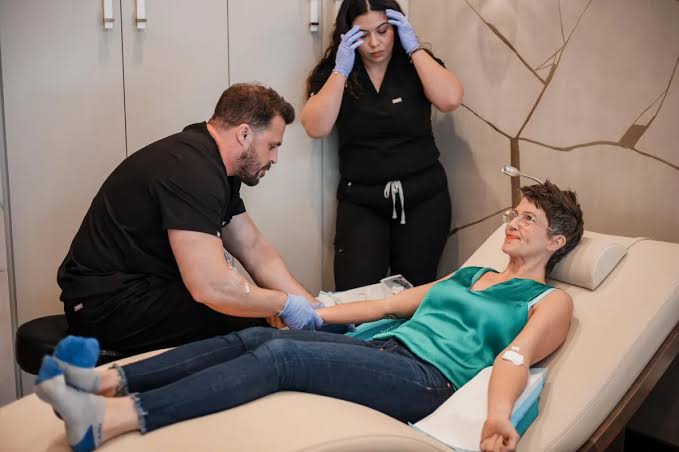
Platelet rich plasma (PRP) therapy is a treatment option used in pain medicine, and it offers patients an alternative to surgery or long-term medication use. The therapy utilizes the body’s own biological components, so it is a minimally invasive approach to facilitating healing in joints, tendons, and soft tissues. Understanding how PRP works facilitates informed decision-making. Here is more information on what patients should know about platelet rich plasma therapy:
What Is Platelet Rich Plasma Therapy?
Platelet rich plasma therapy is a medical treatment that uses a concentrated form of a patient’s own blood to support tissue repair. Blood is composed of red blood cells, white blood cells, plasma, and platelets; each component serves a distinct physiological function. Platelets are small cells that play a key role in clotting. They release growth factors that aid in healing, which is what makes them central to the PRP process. PRP isolates and concentrates those platelets, delivering a higher dose of regenerative proteins directly to an injured or inflamed area.
How Does It Work?
PRP therapy works by delivering a concentrated dose of growth factors directly to an injured area. These proteins, released by platelets, signal the body to begin repairing damaged tissue, and they stimulate cell regeneration while reducing inflammation. The concentration of platelets in PRP is higher than what is found in normal blood, which is what distinguishes it from a standard injection.
PRP targets the biological environment of an injury. Rather than masking pain, it works with the body’s existing repair systems by delivering growth factors directly to the site of damage. Corticosteroid injections primarily reduce inflammation, but they do not support tissue regeneration in the way that PRP does.
Who Does It Help?
PRP therapy is used across a range of musculoskeletal conditions. Patients with chronic tendon injuries are common candidates; this includes conditions such as tennis elbow, Achilles tendinopathy, and rotator cuff issues. Those experiencing joint pain from osteoarthritis may also benefit, although outcomes vary depending on the severity of the condition.
Patients who have not responded well to conventional treatments may benefit from PRP, but it is not a universal solution. A pain specialist will assess each case individually. While treatment recommendations vary according to the underlying condition, candidates are typically individuals with documented tissue damage or inflammation who are seeking alternatives to standard pain management.
What Does the Process Involve?
A blood draw initiates the PRP therapy process. The collected blood is placed into a centrifuge, which spins at high speed to separate blood components by density. This separation concentrates the platelet-rich portion of the plasma, and the prepared PRP is then ready for injection.
The treatment site is cleaned, then a pain medicine specialist injects the PRP directly into the affected area. Patients may be advised to limit strenuous activity briefly and to follow post-procedure instructions provided by their specialist.
- Activity restrictions: Avoid heavy lifting or high-impact exercise for a period specified by your provider.
- Medication guidance: Certain anti-inflammatory medications may be discouraged following the procedure.
- Follow-up schedule: A follow-up appointment is typically arranged to monitor progress and determine whether additional injections are needed.
Consult a Specialist Today
PRP therapy offers a biologically-based approach to pain management that may be suitable for patients with chronic musculoskeletal injuries. It draws on the body’s own healing mechanisms, and it carries a low risk of allergic reaction. If you experience persistent pain, speak with a pain medicine specialist to determine whether PRP therapy is right for you.