
Finding the Right Dentist for Family Care
February 25, 2026
Innovations in Denture Technology
February 25, 2026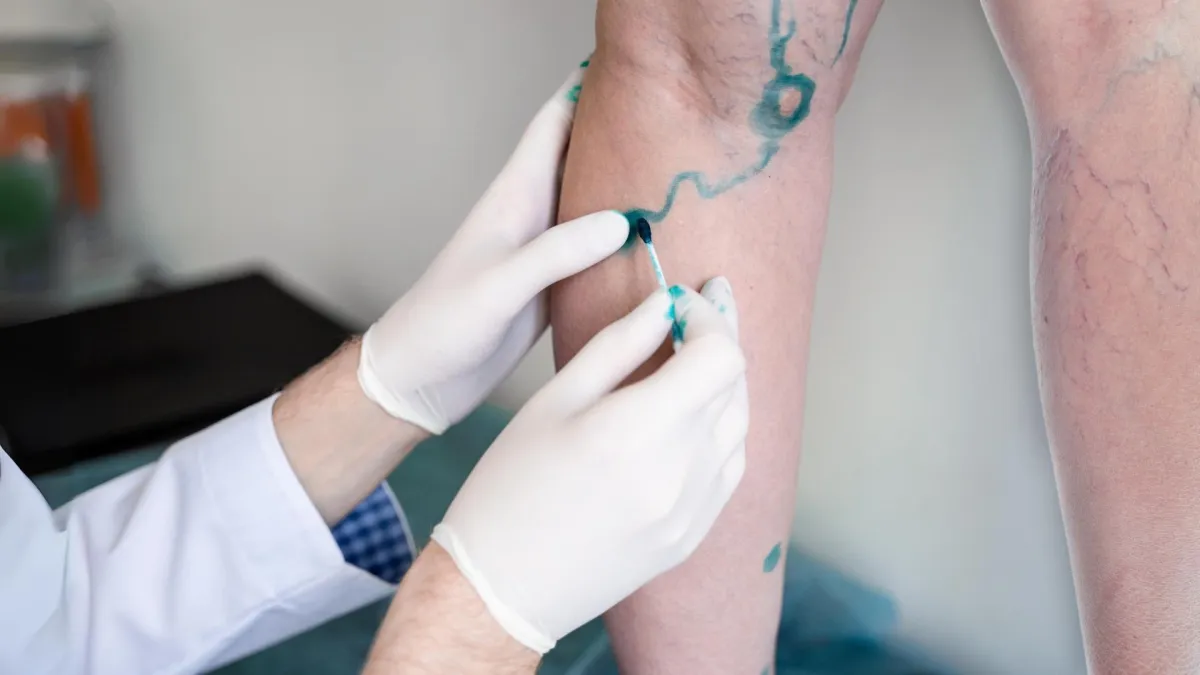
Varicose veins are a common condition that affects some adults, often causing discomfort and concern about appearance. Knowing why they occur is the first step toward effective management and relief. There are key risk factors and identifiable symptoms, so understand the medical interventions available to you today.
Risks Associated with Development
Certain biological and lifestyle factors are linked with an increased likelihood of developing varicose veins. Genetics plays a major role, so you are at higher risk if you have a family history of the condition. Being female and being pregnant are risk factors, as circulatory changes during pregnancy contribute to this risk. Excess body weight places additional pressure on your veins. Your daily habits also contribute to your vascular health, so pay attention to how you move during the day. Individuals who sit or stand for long periods without breaks often experience poor circulation in their legs. Blood pools in the lower legs when you stay still, and this pressure can affect the vein walls. Recognizing these risk factors helps you make informed decisions about your routine and health.
Symptoms Requiring Attention
You should monitor your legs for specific physical sensations that often accompany the visible signs of varicose veins. Many people notice a heavy feeling in their legs. Leg pain or cramping is another common symptom. Some people feel tiredness or aching in the lower limbs, making it hard to get through daily activities. Swelling around the ankles, feet, or calves can develop when blood struggles to return to the heart. In some cases, the skin over and around varicose veins can appear dry and thin. Restless legs at night can disrupt sleep, and this leads to fatigue during the day. Some individuals notice a burning sensation along affected veins. Over time, these symptoms may progress and require attention to prevent complications. Some complications include skin ulcers or persistent swelling. Stay alert to these changes and track new or worsening symptoms. Recording symptoms helps you receive timely care.
Interventions for Varicose Veins
Conservative measures do not always help, so medical procedures may be recommended for treating problem veins. Sclerotherapy involves injecting a solution into the vein to close off the area. Each treatment course is tailored to individual needs. Your provider will decide if this option is suitable and how many sessions are needed. Venous ablation uses heat energy to close off damaged veins and redirect blood to healthier vessels.
You must follow post-procedure care instructions. Venaseal is a modern alternative that uses a medical adhesive to permanently seal the affected vein. This option does not require heat or anesthesia. Venaseal works for certain patients based on vein size, location, and health history. Your doctor will help you decide if this is right for you, so discuss your desired outcome clearly.
Book a Consultation Today
Taking action today can prevent further complications. If you recognize these symptoms or risks, schedule a consultation with a vein specialist to discuss your personalized treatment plan. You have options for your care, so don’t hesitate to reach out.