
Understanding the Microneedling Process at a Wellness Center
September 3, 2026
Why a Medical Spa is the Best Place for Aesthetic Treatments
September 3, 2026
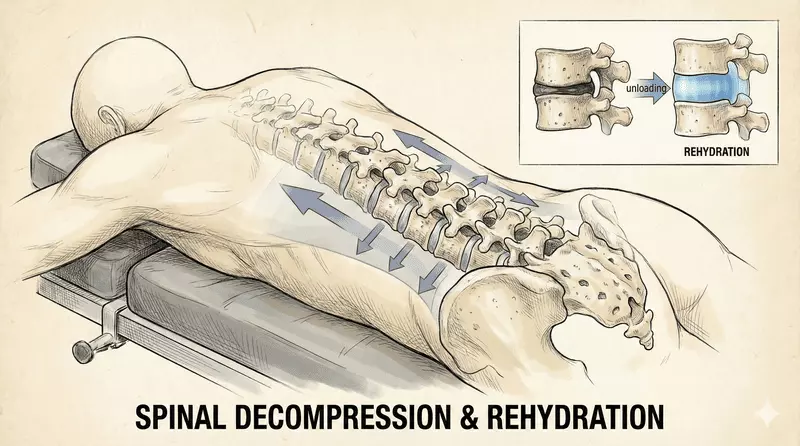
Back pain can develop suddenly or gradually and often affects movement, posture, sleep, and daily activities. Recognizing related symptoms can help determine when medical evaluation becomes necessary. Here is more information on recognizing some common signs of lower back pain:
Localized Pain and Stiffness
Localized pain stays in one region of the lower back and often feels dull, aching, or tight. You may notice the discomfort after long periods of sitting, and it often intensifies when you stand up or bend forward. Stiffness often accompanies this type of pain, limiting how freely you rotate your torso.
The pattern of localized lower back pain offers helpful clues about its source. When the ache eases with gentle movement but returns after rest, muscles or soft tissue may be involved, though only an assessment confirms the cause. Track how long the stiffness lasts each day, and note whether it improves or stays consistent over time.
Radiating Pain and Nerve Symptoms
Radiating pain travels away from the lower back, and it often follows a path into the hips, legs, or feet. This kind of pain may point to nerve involvement, so noting where it spreads gives useful detail. Symptoms vary from person to person, and their pattern often changes throughout the day. Here are some common signs to watch for.
- Shooting pain down the leg: A sharp sensation that runs from the lower back into one leg, which people often describe as electric or burning.
- Tingling or “pins and needles”: A prickling feeling in the legs or feet that is intermittent, and it may worsen when you sit for long stretches.
- Numbness: A reduced sense of touch in the leg or foot that can make walking unsteady.
- Muscle weakness: Difficulty lifting the foot or pushing off while walking, which may signal that a nerve is under pressure.
Limited Movement and Disruptions
Lower back pain often narrows what your body can do, and small tasks can begin to appear like major obstacles. You may avoid certain motions, or you change how you move to avoid discomfort. These changes add up over time and reveal how much pain shapes your routine.
Reduced Range of Motion
Reduced range of motion means you cannot bend, twist, or reach as freely as before. You may feel a pull when you tie your shoes, or a sharp catch when you turn to look behind you. This limit often forces you to move slowly, and it can make chores take longer. Tracking the movements that trigger pain gives a provider a clear picture of your condition.
Interrupted Sleep and Work
Pain that flares at night can interrupt your sleep, and poor rest often makes the next day difficult. You may struggle to find a comfortable position, or you wake each time you shift your weight. At work, sitting or standing for long periods can intensify the ache, which lowers your focus and output. These disruptions are key signs that your back pain requires a professional review.
Address Your Lower Back Pain
Lower back pain can stem from various causes and may range from a mild inconvenience to a serious concern. Managing your back pain begins with understanding the underlying cause, and recognizing red flags such as sudden loss of bladder or bowel control and rapid leg weakness is key. These signs, along with other concerning symptoms like unexplained weight loss, should never be ignored. Contact a qualified pain management specialist near you to schedule your consultation and address your back pain today.