

The Benefits of Customized Facials for Different Skin Types
July 22, 2026
Exploring the Benefits of Dermal Fillers for Facial Rejuvenation
July 22, 2026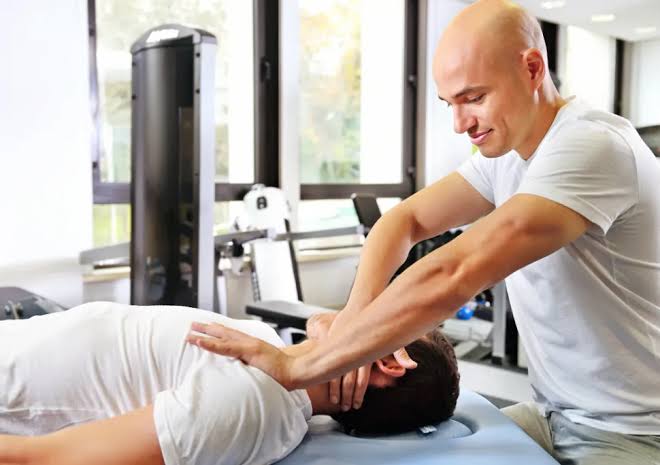
Daily neck pain affects your work, sleep, and movement. It contributes to discomfort, disability, and missed workdays, so early management matters. Providers treat both acute and chronic neck pain, and several strategies can reduce your symptoms. Your provider outlines practical steps since you can start applying today.
Lifestyle Changes That Help
Small changes help lower tension, and consistent routines support long-term relief. Your daily habits shape your neck pain. Being mindful of your posture reduces strain, and taking breaks from sitting eases muscle fatigue. Weight loss lowers pressure on your spine, while regular exercise builds neck-stabilizing muscles. These habits require effort, yet they address the source of many symptoms directly. Sleep position also affects your symptoms. Start with one adjustment, and add others as each new routine becomes part of your day.
Medications for Pain Relief
Certain medications ease inflammation and pain. Your physician can recommend the right option based on your symptoms and history. Over-the-counter pain relievers reduce mild pain, and topical relievers target specific neck areas. Muscle relaxants ease tension, while prescription medications may help when other options fail. Timing and consistency matter when using medications. Take your medications as prescribed, and follow the dosing instructions to reduce risks. Skipping doses or taking more than recommended can reduce effectiveness and increase your risk of side effects. Track your symptoms when starting a new medication, and share any changes with your provider. Some medications work best as part of a broader plan. Your IPRMS physician may recommend other prescription categories if your pain does not respond to standard options. Always discuss supplements or over-the-counter products you already take, since some combinations can interfere with your medications.
- Over-the-counter pain relievers reduce mild to moderate pain and are available without a prescription.
- Topical creams and gels deliver relief directly to the sore area without affecting your whole body.
- Muscle relaxants ease tension in the neck and surrounding muscles.
- Anti-inflammatory medications reduce swelling around irritated nerves.
- Prescription medications may be recommended if standard options do not provide enough relief.
Therapy Options for Neck Pain
Therapies strengthen your neck while improving alignment. They complement lifestyle changes, and they can reduce your reliance on medication. Massage therapy relaxes tight muscles. Acupuncture may reduce pain for some. Physical therapy strengthens neck muscles, while guided exercises help restore your spinal alignment. Each therapy targets a different need, so your provider may combine treatments to match your condition.
Consistency is key, because skipping sessions sometimes slows your recovery. Massage therapy addresses muscle tightness directly. A trained therapist works on the muscles around your neck and shoulders, and this improves blood flow. Some patients find that regular massage, combined with other therapies, helps them manage flare-ups more effectively.
Treat Neck Pain Today
Daily neck pain has solutions. Lifestyle changes, medications, and therapies each address different causes, and combining them often works best. Your provider will assess your symptoms, and a personalized plan can guide your recovery from the first visit. To manage your neck pain, call your provider, since you can schedule an appointment online today.