

The Beneficial Resources a General Practitioner Provides for New Parents
August 3, 2026
Questions To Ask During Your First Appointment With a Therapist
August 4, 2026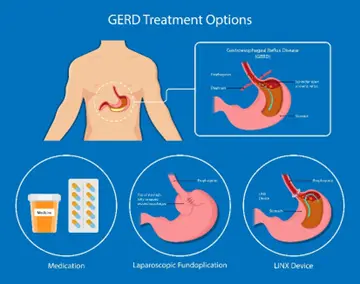
Reflux disease may cause heartburn, chest discomfort, difficulty swallowing, and sleep disturbances that affect everyday activities and overall well-being. Persistent symptoms may also influence eating habits and social activities. Here is a closer look at the impact of reflux disease on daily life:
Experiencing Physical Discomfort
The physical effects of reflux disease often begin with a burning sensation in the chest, and this feeling can linger for hours. You may notice a sour taste at the back of your throat or struggle with a persistent cough that appears without warning. When symptoms attack at night, they can interrupt your sleep, and poor rest can affect your energy the next day. Discomfort does not always stay in the chest. Some people report a hoarse voice, while others feel a lump-like sensation when they swallow. These signs vary from person to person, and they often change throughout the day.
Adjusting Eating Habits
Food choices influence how reflux disease behaves; changes to your routine can influence your comfort. Adults often track what they eat, and this habit helps them identify patterns that trigger symptoms. Here are some practical adjustments that may help:
- Smaller portions: Large meals place pressure on the stomach, and eating less at each sitting can ease that strain.
- Earlier dinners: Finishing your last meal a few hours before bed gives your body time to digest before you lie down.
- Trigger awareness: Spicy dishes, citrus, and fatty foods often provoke symptoms, so tracking your reactions is helpful.
- Slower pace: Eating quickly can lead to swallowing air, which adds pressure, so chewing slowly supports digestion.
- Beverage choices: Coffee, carbonated drinks, and alcohol may worsen symptoms for some people, and swapping them for water can reduce flare-ups.
Managing Daily Activities
Reflux disease can extend beyond mealtimes, and it often influences the way you move through your day. Bending over after eating may cause discomfort, while lying down too soon often triggers a flare-up. Some adults adjust their exercise timing, and they wait until symptoms settle before physical activity.
Work and social life can feel the effects, too. A meeting may become harder to focus on when discomfort distracts you, and dinner invitations can prompt worry about which foods to avoid. Planning ahead gives you more control, and steps, such as choosing your meals in advance, help you stay comfortable in these settings.
Protecting Long-term Well-being
Ongoing reflux disease affects more than daily comfort, and managing it over time is a fundamental part of your health plan. The following points highlight areas worth attention as you plan for the future:
- Regular check-ins: Scheduled reviews with a specialist help you track changes, and they guide adjustments to your plan.
- Symptom records: Keeping notes on frequency and severity gives your care team clear information to work with.
- Treatment options: Minimally invasive procedures address the underlying mechanism of reflux, and they may reduce the need for ongoing medication.
- Lifestyle consistency: Consistent habits around food, sleep, and activity support the treatment approach you follow.
- Open communication: Sharing your goals with your specialist makes sure your plan reflects what matters most to you.
Book Your Reflux Disease Appointment
Reflux affects physical comfort, eating habits, daily activities, and long-term well-being, and each of these areas responds to thoughtful management. Long-term management is built on a strong foundation of consistent habits and a focus on sustainable progress. A minimally invasive approach may address the underlying mechanism and reduce your reliance on daily medication. Contact a qualified healthcare provider near you to book your reflux disease appointment.