

Exploring the Benefits of Dermal Fillers for Facial Rejuvenation
July 22, 2026Tips for Choosing the Right Dermatologist
July 27, 2026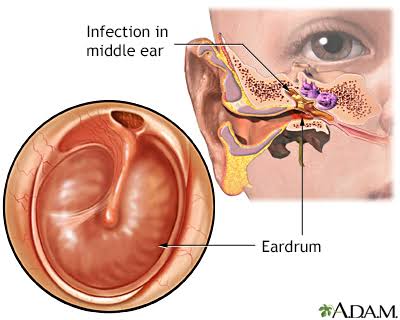
An ear infection happens when bacteria or viruses invade the middle ear and cause fluid buildup behind the eardrum. This condition can bring pain and muffled hearing, and it affects both children and adults. Treatment matters because a minor infection can turn into a lasting problem if you attempt to let it resolve on its own. Here is more information about ear infections and their long-term effects:
Causes and Symptoms
Many cases begin after a cold or allergy when swelling blocks the tubes that drain the middle ear. When fluid gets trapped, germs multiply, and the pressure builds against the eardrum. An ear infection can develop suddenly, and the discomfort ranges from mild to severe. Because symptoms vary by age, you may notice different warning signals in yourself or a child. Adults tend to report sharp pain and hearing changes, while young children may tug at the ear or cry more than usual.
Watch for these common signs:
- Ear pain or a feeling of fullness
- Fluid or drainage from the ear
- Trouble hearing or balancing
- Fever, especially in children
Reasons for Chronic Ear Infections
Some infections keep returning, and this pattern indicates an underlying cause that needs attention. Anatomy plays a role because narrow or angled ear tubes drain poorly in some people. Repeated colds and exposure to smoke also raise the odds of another flare-up. When infections linger or return repeatedly, doctors call the condition chronic. A chronic case may last for weeks, or it tends to come back several times a year. Left unchecked, this cycle wears down the delicate structures inside the ear.
Long-term Effects
An untreated infection does more than cause temporary pain, and the damage can reach far beyond the ear itself. Infections that recur can scar the middle ear, and this scarring sometimes causes a reduction in how well you hear. Hearing loss during childhood can slow speech and language growth because young brains rely on clear sound to learn.
Complications sometimes spread past the middle ear when an infection goes ignored for long stretches. The following problems can develop over time:
- Permanent hearing loss from repeated damage
- A torn or perforated eardrum
- Infection reaching the mastoid bone behind the ear
Warning Signs for Treatment
Certain symptoms may indicate that home care is not sufficiently resolving the problem, and these signs call for a professional evaluation. Severe pain, a high fever, or drainage from the ear should prompt a visit right away. If hearing fades or dizziness sets in, contact your healthcare provider.
Timing may affect the outcome, so pay close attention to how long symptoms last. A problem that persists longer than a week deserves medical attention. Quickly worsening symptoms warrant prompt action. Children who seem unwell or keep pulling at an ear should also be checked promptly.
Get Your Ear Infection Treated
An ear infection typically starts small, but it can lead to lasting harm when it goes untreated. A healthcare provider can prescribe antibiotics for an infection. If you suspect you have an ear infection, schedule an evaluation with a healthcare provider today.