

Pelvic Floor Dysfunction and Its Impact on Daily Life
July 17, 2026
What You Need To Know About Prostate Cancer Screening
July 17, 2026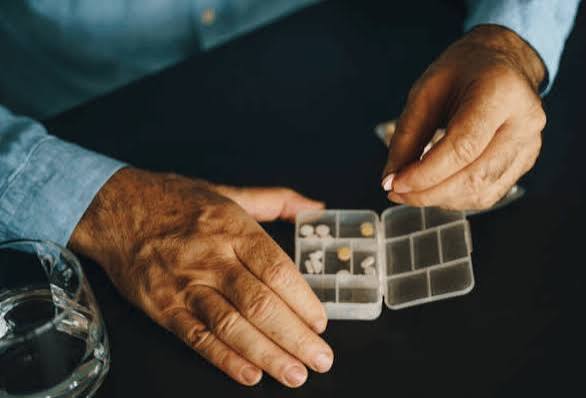
Arthritis pain comes from inflammation in your joints. It can make simple tasks feel harder, and it flares up without warning. When your knees, hands, or hips ache, you want relief that fits your daily routine. Here are some practical steps you can try to reduce discomfort and stay active:
Take Oral Medications
Oral medications are a typical first step for arthritis pain. Over-the-counter options reduce inflammation, and prescription drugs treat more severe symptoms. If your arthritis pain lasts for weeks, talk with your doctor about the right dose.
Oral options include:
- Acetaminophen for mild pain
- NSAIDs like ibuprofen or naproxen
- Prescription anti-inflammatory drugs
Follow the label instructions closely. Some medications upset your stomach, so you might take them with food. Since certain drugs interact with each other, share your full medication list with your provider.
Perform Low-impact Exercises
Movement keeps your joints flexible. Low-impact exercises put less stress on sore areas, and they build strength without sharp jolts. When you exercise a few times each week, you support the muscles around your joints.
Swimming and cycling work well for many people. Walking is simple, and it fits into most schedules. If a movement causes sharp pain, stop and rest that joint.
Try these gentle activities:
- Performing water aerobics
- Cycling with a stationary bike
- Stretching gently
Start slowly and add time as your body adjusts. Warm-up sessions loosen stiff joints, and cool-downs help you recover. Since overdoing it worsens symptoms, listen to what your body tells you.
Apply Topicals
Topical products deliver relief directly to the skin over a sore joint. Creams and gels contain ingredients that numb pain or reduce swelling. If you dislike pills, topicals give you another route.
Menthol and capsaicin creams are typically available. You rub the product into clean skin, and the effect builds over several applications. Since some ingredients irritate sensitive skin, test a small patch first.
Patches offer a hands-free option. They stick to the skin, and they release medication slowly through the day. When you use topicals alongside other treatments, tell your doctor about everything you apply.
Use Assistive Devices
Assistive devices reduce strain on painful joints. These tools support your movement, and they may help you finish daily tasks with less effort. If gripping objects hurts, the right device makes a significant difference.
Helpful devices include:
- Canes and walkers
- Jar openers and reach tools
- Braces and supportive footwear
Braces stabilize weak joints during activity. A cane shifts weight away from a sore knee or hip, and it lowers your fall risk. Since a poor fit adds strain, ask a specialist to size your device correctly. Track your symptoms so you notice what helps. Small changes add up, and a steady plan keeps you moving through flare-ups.
Get Treated for Arthritis Pain
Arthritis pain responds to a mix of approaches; oral medications and topicals target discomfort directly, while exercise and assistive devices protect your joints over time. When you combine these methods, you build a routine that fits your needs. Schedule an appointment with a provider to discuss your options, and bring your medication list and note which joints hurt most. Book your visit today, and take the next step toward managing your arthritis pain.