
Signs You May Need to Get Dental Crowns
March 5, 2026
What To Expect During a Liposuction Consultation
March 5, 2026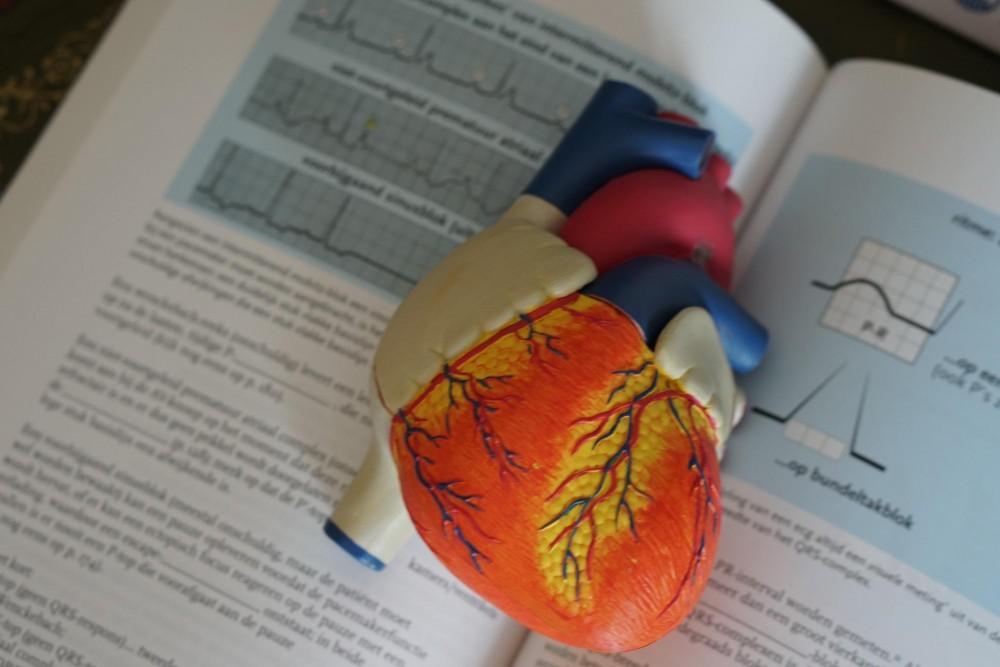
Cardiology focuses on diagnosing and managing conditions that affect the heart and blood vessels. These include issues that can develop gradually or present with sudden and urgent symptoms. Heart-related concerns often go unnoticed as they do not always present with dramatic chest pain. This leads some people to overlook early warning signs such as shortness of breath or swelling in the legs. Here is an overview of key conditions commonly addressed in cardiology:
Recognizing Serious Chest Symptoms
Cardiac-related chest symptoms are key indicators of underlying conditions in cardiology. Understanding these symptoms can help patients recognize when to seek medical attention promptly. Symptoms include:
- Chest Pain: Sharp, dull, or pressure-like discomfort, which may radiate to the arm, neck, or jaw.
- Shortness of Breath: Difficulty breathing during rest or physical activity.
- Palpitations: Sensations of a racing or irregular heartbeat.
- Fatigue: Unexplained exhaustion, especially after minimal exertion.
- Dizziness or Lightheadedness: A sensation of fainting or unsteadiness that often accompanies chest discomfort.
Awareness of these symptoms can lead to early intervention, significantly improving health outcomes. These specific symptoms indicate potential emergencies, and medical staff act quickly to diagnose them.
Exploring Rhythm Problems
An arrhythmia changes the normal speed of a human heartbeat. Sometimes the heart beats too fast, or it beats far too slowly. When internal electrical signals malfunction, the heart loses its steady rhythm. Patients often describe these rhythm changes as fluttering feelings in their chest.
A person may also experience lightheadedness and unexpected fainting spells. If an arrhythmia persists, a cardiology doctor uses an electrocardiogram to record the electrical activity. They may also prescribe specific medication, or they suggest a permanent pacemaker device.
Understanding Pump And Valve Strain
The heart relies on four distinct valves to direct blood flow. These key valves open to allow blood to pass, and they close tightly to prevent backward flow. When a valve becomes abnormally stiff or leaky, the heart works much harder to move blood. The extra work causes long-term strain.
Congestive heart failure occurs when the heart pumps weakly over time. Blood backs up into the delicate lungs, and excess fluid builds up in the lower legs. This chronic condition strains the entire body, and patients often feel extremely tired during normal activities.
Doctors use specialized imaging tools to examine the heart valves and chambers. An echocardiogram provides a detailed visual image and helps the physician measure blood flow accurately. After the doctor reviews the test results, they create a helpful treatment plan.
Detecting Risk Factors
Some cardiovascular diseases develop without obvious physical signs. Recognizing these risk factors is key to preventing complications. Some common risk factors and their associated symptoms include:
- Coronary Artery Disease (CAD): Symptoms such as mild chest discomfort, jaw pain, or shortness of breath are often misattributed to stress or fatigue.
- Type 2 Diabetes: Persistent thirst, frequent urination, and unexplained weight changes may indicate an underlying issue.
- Hypertension (High Blood Pressure): Frequently symptomless, but occasional headaches, dizziness, or nosebleeds may occur.
- Sleep Apnea: Chronic snoring, morning headaches, or daytime sleepiness may signal this condition.
- Hypothyroidism: Subtle signs include dry skin, sensitivity to cold, and general sluggishness, often mistaken for aging or lifestyle factors.
Identifying these early indicators can help patients and healthcare providers work together to mitigate risks associated with advanced disease progression.
Schedule Your Cardiology Appointment.
Early detection of subtle warning signs, often mistaken for aging or lifestyle factors, is key to preventing the progression of heart disease. Proactive collaboration between patients and healthcare providers allows for the management of risk factors and the adoption of healthy daily habits. Ignoring these early symptoms significantly increases the likelihood of developing advanced heart disease. Contact a qualified cardiology specialist near you to schedule your appointment today.