
Rehabilitation Exercises for Recovering from an Ankle Sprain
August 4, 2026
What To Know About Medical Weight Loss
August 4, 2026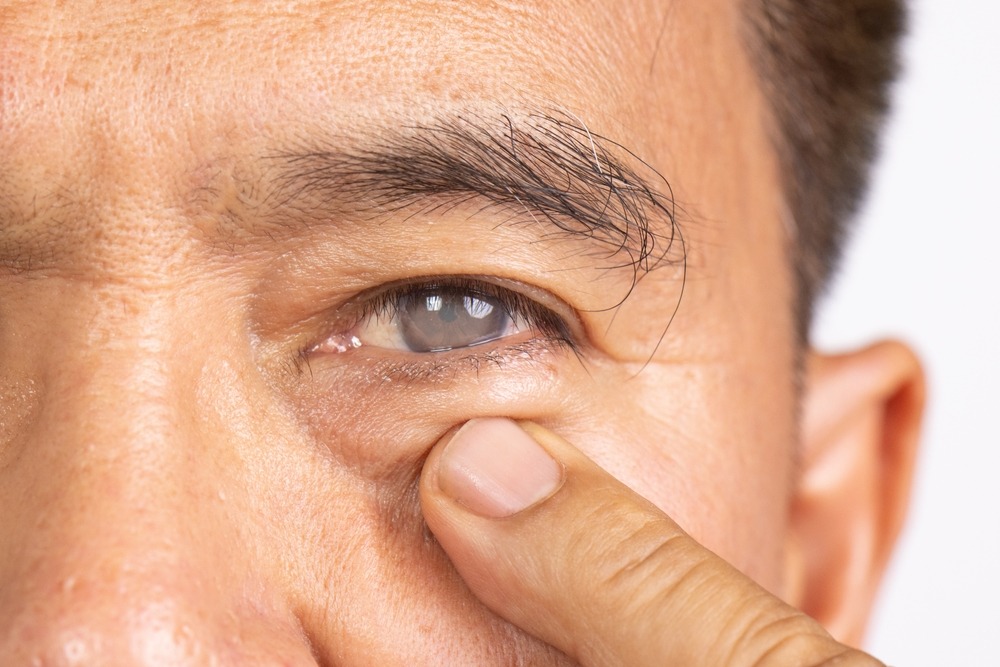
Cataracts are a common eye condition affecting adults, particularly as they grow older. This condition develops gradually, and it may go unnoticed in its early stages. Understanding what cataracts are, how they affect vision, and what cataract surgery entails can help you make informed choices about your eye health.
What Are Cataracts?
A cataract forms when the natural lens inside the eye becomes cloudy. In a healthy eye, this lens focuses light onto the retina at the back of the eye, and this allows you to see clearly. The lens is made mostly of water and protein, arranged in a structure that keeps it transparent.
Some of that protein can clump together over time, and it clouds a portion of the lens. As this clouding spreads, less light reaches the retina, and vision becomes blurry or dim. Most cataracts relate to the natural aging process, though other factors may contribute. These include prolonged exposure to ultraviolet light, certain health conditions such as diabetes, extended use of specific medications, previous eye injuries, and a family history of the condition.
What Are the Symptoms?
The signs of cataracts often appear gradually, and this can make them easy to overlook at first. One of the earliest changes many people notice is blurred or cloudy vision, similar to looking through a foggy window. Colors may begin to appear faded.
Other common symptoms include:
- Difficulty Seeing at Night: Reduced clarity in low-light settings can make evening driving more challenging.
- Halos Around Lights: Rings or halos may appear around light sources, especially in the dark.
- Changes in Prescription: Your glasses or contact lens prescription needs updating more often than before.
- Vision Doubles in One Eye: Some people experience overlapping images when viewing objects with a single eye.
Because these symptoms can point to a range of eye concerns, an evaluation by an eye professional helps clarify whether a cataract is the underlying cause. Early detection allows you to monitor changes and plan for treatment when the time is right.
What Does Cataract Surgery Involve?
Cataract surgery is a procedure that involves removing the clouded lens, and it is replaced with a clear artificial one. This is known as an intraocular lens. The operation is typically performed on an outpatient basis, meaning most patients return home the same day.
During surgery, the eye is numbed with local anesthesia. The surgeon then makes a small incision in the eye, and they may use a technique to break up the cloudy lens before gently removing it. The artificial lens is placed in the same position the natural lens occupied.
Recovery often begins within a few days, and full healing may take several weeks. Follow-up visits allow the eye professional to monitor progress and address any concerns. Different types of intraocular lenses are available, the right choice depending on individual vision needs.
Speak Further With an Ophthalmologist
Cataracts affect people in different ways, and the timing of treatment varies from one person to the next. Some individuals manage early symptoms with updated eyeglass prescriptions, while others reach a point where surgery offers the most practical path forward. An ophthalmologist can assess the health of your eyes, explain how a cataract may be influencing your vision, and outline the treatment paths suited to your situation.