
Advancements in Regenerative Medicine for Joint Health
February 25, 2026
How OB/GYNs Support Women’s Health Beyond Reproductive Years
February 25, 2026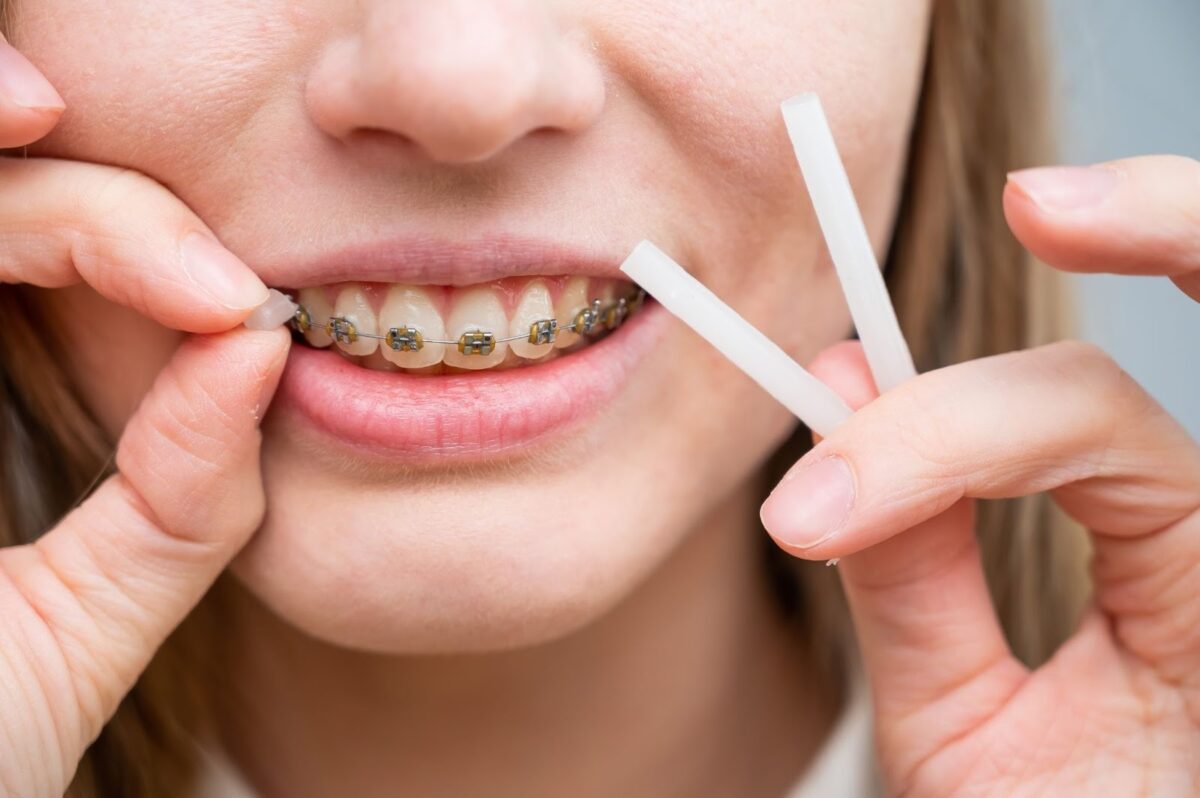
Braces are an orthodontic treatment used to correct misalignment, improve bite function, and support long-term oral health. Although the process is routine, many patients have questions about how braces work, what the first appointment involves, and how daily life may change during treatment. Here is more information on what to expect when getting braces:
Planning Before Braces
Your orthodontic treatment starts with a consultation. During this visit, the orthodontist examines your teeth, jaw, and bite to identify any problems. They may take X-rays and photographs, and they will also take impressions of your teeth to create a complete picture of your mouth. These records help them plan the best treatment for your needs.
After reviewing the results, the orthodontist discusses your options. You may choose metal braces, clear braces, or another teeth-straightening method such as Invisalign. The orthodontist explains how long treatment will take and what you can expect at each stage; treatment time depends on the severity of your malocclusion. Once you decide on a treatment plan, the orthodontist schedules your next appointment to place the braces.
Getting Braces
It’s completely normal to have some concerns about getting orthodontic treatment, as it is a big step towards achieving a straighter smile. Here’s what happens during the appointment:
- Cleaning and Preparation: The orthodontist cleans and dries your teeth to help the brackets stick properly.
- Bracket Placement: Small metal or ceramic brackets are glued to each tooth using a special adhesive.
- Wire Threading: A thin wire is threaded through the brackets and secured with tiny rubber bands or metal ties.
- Final Adjustments: The orthodontist trims any excess wire and makes sure everything is comfortable.
You won’t feel pain during the appointment, but your mouth may feel strange or full afterward. Your orthodontist will give you instructions on caring for your braces and which foods to avoid.
Adjusting in the Early Weeks
The first few weeks with braces can be uncomfortable as your mouth adjusts; your teeth may feel sore or sensitive, especially after eating. This happens because the braces are applying gentle pressure to shift your teeth into place. Over-the-counter pain relievers and soft foods can help during this time.
Eating becomes a bit different with braces. Hard, sticky, or crunchy foods can damage the brackets or wires, so you should avoid items like popcorn, gum, and hard candy. Soft foods like mashed potatoes, yogurt, and smoothies are helpful in the first few days. Your mouth also needs time to get used to the feel of the brackets and wires. They may rub against your cheeks or lips, causing irritation; orthodontic wax can cover sharp edges and make your braces more comfortable.
Tracking Teeth Over Time
Braces work by applying steady pressure to your teeth, which gradually shifts them into the correct position. Here’s what happens during the treatment process:
- Regular Appointments: You’ll visit the orthodontist every four to eight weeks for adjustments, during which the orthodontist tightens the wires or replaces the bands to maintain consistent pressure.
- Tooth Movement: Your teeth move slowly through the bone as the braces apply pressure.
- Progress Monitoring: The orthodontist tracks your progress at each visit and makes changes as needed to keep your treatment on track.
Each adjustment may cause mild soreness for a day or two, but the discomfort usually fades quickly.
Schedule Your Braces Appointment Today
Braces work by applying consistent pressure to gradually move teeth into their desired positions, improving alignment and oral health. Regular adjustments are fundamental to promoting steady progress. To begin your orthodontic treatment, contact a qualified orthodontist near you to schedule your appointment today.