
Blazertje: The Complete Guide for Style, Trends, and Perfect Fit
December 2, 2025
Top Med Spa Services To Try for Skin Rejuvenation
December 3, 2025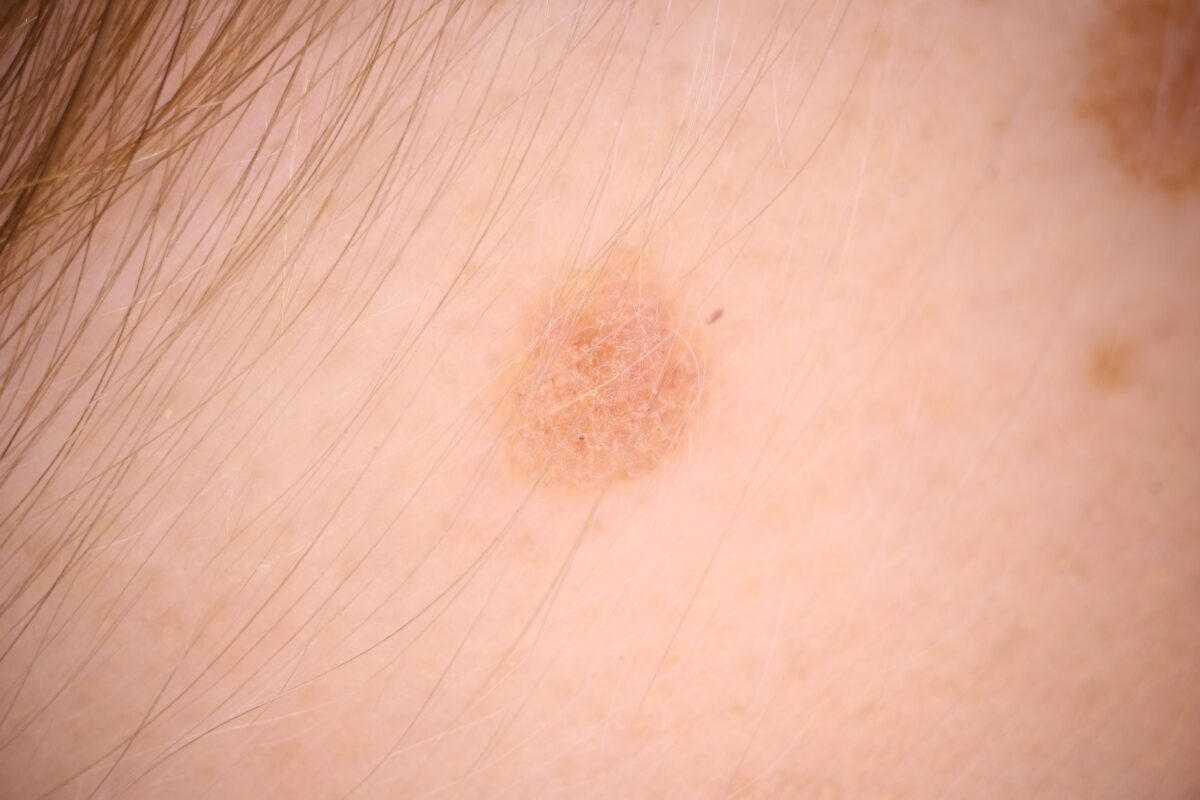
The appearance of a new growth on the skin can cause concern. Many types of skin lesions may develop throughout a person’s life, and distinguishing between them can be difficult. Seborrheic keratosis is one of the most common noncancerous skin growths that adults develop. While seborrheic keratoses are benign, a proper diagnosis from a healthcare professional is the only way to confirm the nature of any skin growth.
What Is Seborrheic Keratosis?
A seborrheic keratosis is a benign, or noncancerous, skin growth that often appears in middle-aged and older adults. These growths may vary significantly in appearance. They typically begin as small bumps and can slowly thicken and enlarge over time. The color may range from light tan to dark brown or black. Their texture is often described as waxy, looking as if they could be easily scraped off the skin.
Seborrheic keratoses can appear as a single growth or in multiples. While they can resemble warts, they are not caused by a virus. A key difference between these growths and other skin conditions, such as moles, is that seborrheic keratosis does not contain melanocytes. They are made up of the primary cells that form the outer layer of the skin.
What Causes Them?
The exact cause of seborrheic keratosis is not fully understood. There seems to be a genetic component, as they often run in families. They are rare in people under 40 and become increasingly common with age. Sun exposure may also play a role in their development, as they sometimes appear on sun-exposed skin. They are not contagious and do not spread from person to person.
These growths can appear almost anywhere on the body. Common locations include the chest, back, stomach, scalp, face, and neck. They do not typically form on the palms of the hands or the soles of the feet. They may sometimes become irritated due to friction from clothing or jewelry, which might cause them to become itchy, inflamed, or to bleed.
How Are They Treated?
You should seek care from a dermatologist for any new or changing skin growth to obtain an accurate diagnosis. A dermatologist can usually identify a seborrheic keratosis through a visual examination. Especially if a growth has an unusual color or shape that mimics melanoma, a skin biopsy may be performed. A consultation is recommended if a growth changes rapidly, bleeds, itches persistently, or has an irregular border.
Since seborrheic keratoses are benign, treatment is generally not medically necessary. Removal is an option if the growth becomes persistently irritated, bleeds, or is removed for cosmetic reasons. Dermatologists have several methods for removing them. Cryosurgery involves freezing the growth with liquid nitrogen, causing it to fall off within a few weeks.
Meet With a Dermatologist
Differentiating seborrheic keratosis from other skin conditions based on appearance alone may be challenging. Other growths, such as actinic keratoses or melanoma, can sometimes look similar. A dermatologist can offer a definitive diagnosis and discuss whether removal is appropriate based on your specific situation and preferences.