
How an Optometrist Manages Your Eye Health
January 26, 2026Choosing the Right Dental Crown Material for Your Needs
January 26, 2026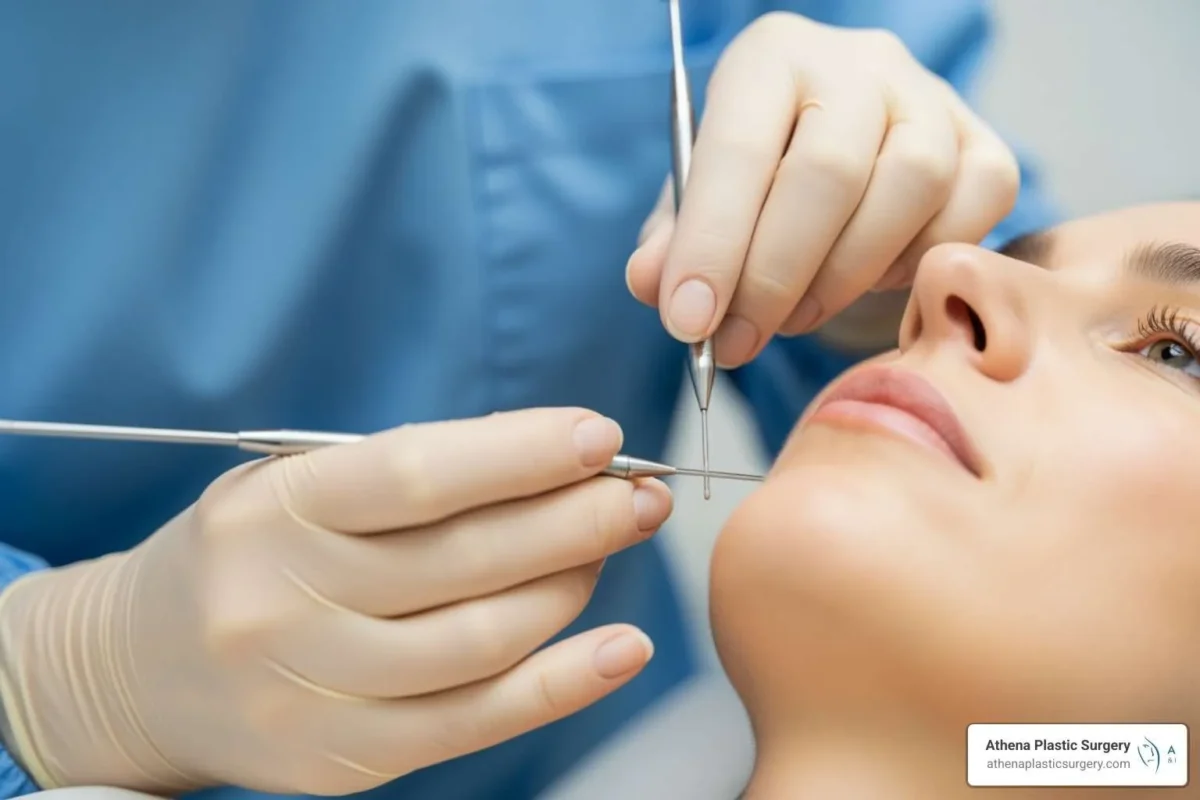
Cosmetic surgery encompasses a broad spectrum of medical procedures specifically designed to enhance physical appearance and aesthetic appeal. It differs from reconstructive surgery because it focuses on aesthetics rather than on function, though there can be overlap. Patients may seek these interventions to alter parts of their face and bodies, with modern surgical techniques offering precise results.
What Is Cosmetic Surgery?
Cosmetic surgery is a specialized medical discipline focused on enhancing the body’s visual aesthetic through surgical and non-surgical means. It can be performed on all areas of the head, neck, and body, and the goal is to improve aesthetic appeal, symmetry, and proportion. This medical field treats patients who are generally healthy but want to change their physical appearance for personal reasons.
Why Is It Conducted?
Individuals choose to undergo cosmetic surgery for a variety of personal and physical reasons. Some patients seek to restore a more youthful appearance after aging changes their features, while others want to modify a specific trait they’ve always had. A desire for symmetry is a motivating factor. Patients may consult with surgeons to align their physical appearance with their internal self-image.
What Are the Different Options?
Facial procedures target specific anatomical areas to improve overall balance or reduce visible signs of aging. Rhinoplasty reshapes the nose to improve facial proportions, and a rhytidectomy, or facelift, tightens underlying tissues to create a smoother skin appearance. Blepharoplasty addresses functional or aesthetic issues of the eyelids, such as drooping or puffiness, to refresh the upper face.
Procedures for the breast and upper body focus on altering volume and shape to achieve a desired silhouette. Breast augmentation uses implants or fat transfer to increase size, and breast reduction removes tissue to alleviate physical discomfort or achieve proportion. Mastopexy, or a breast lift, raises and firms the breast tissue.
Body contouring procedures are designed to alter the shape, tone, and silhouette of the torso and limbs. Liposuction uses suction to remove excess fat from specific areas and may be combined with other procedures. These interventions can be used after significant weight loss, but they are not intended as weight-loss methods in themselves.
What Does the Process Involve?
The surgical process begins with a comprehensive consultation, during which the surgeon evaluates the patient’s health and discusses aesthetic goals. A thorough review of medical history helps identify any potential contraindications. This initial stage establishes a safe surgical plan, and it allows the patient to understand the potential outcomes.
The duration of the operation depends on the complexity of the intervention, and the medical team monitors the patient’s vitals. Recovery times vary based on the invasiveness of the surgery and the individual’s natural healing response. Post-operative care instructions are provided to manage pain and prevent infection, with follow-up appointments scheduled to track the healing progress.
What Are the Benefits?
The primary benefit of cosmetic surgery is the permanent or long-lasting physical alteration of a specific body part to align with the patient’s goals. The removal of excess skin or tissue sometimes provides functional relief, allowing the patient to experience greater comfort during physical activity. Maintaining a healthy lifestyle helps preserve results, and this commitment may lead to better overall health habits.
Learn More About Your Options
Understanding cosmetic surgery procedures enables informed decision-making about your long-term health and physical appearance. Each patient requires a tailored approach to effectively achieve their desired outcome, and patient safety is a priority throughout the process. Schedule a consultation with a plastic surgeon to discuss your specific needs and determine the most appropriate procedure.