
The Link Between Hormone Replacement Therapy and Improved Quality of Life
October 12, 2026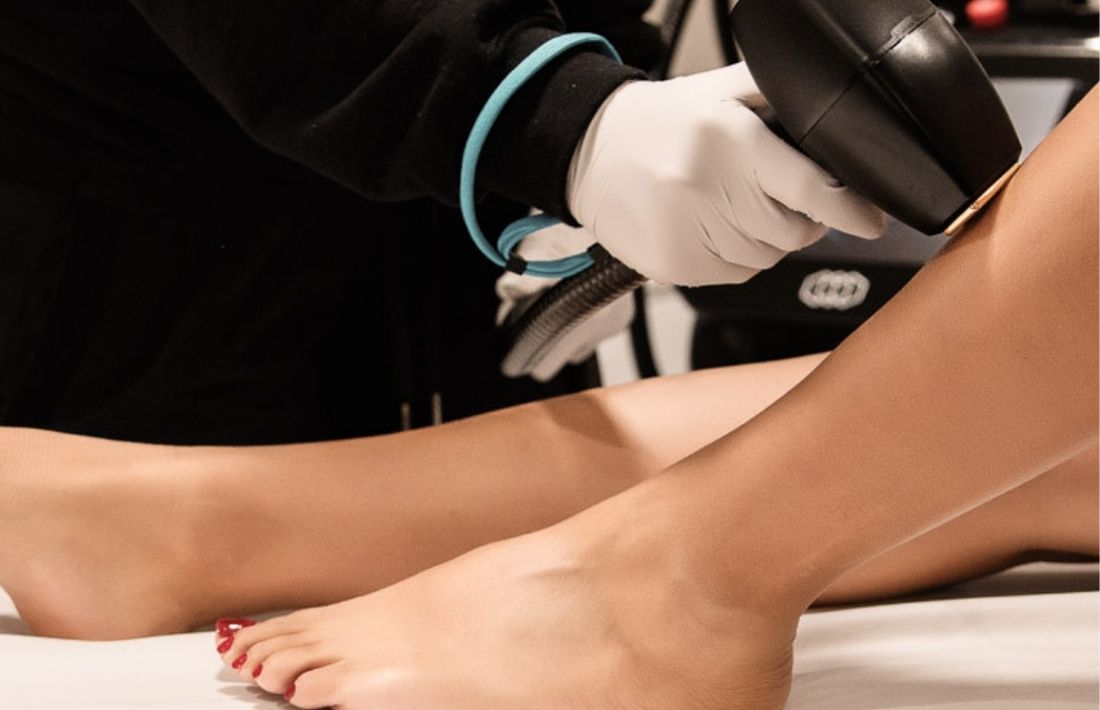
Laser hair removal is a cosmetic procedure that uses concentrated light to target hair follicles beneath the skin. It can reduce excess hair in various areas of the body, and it serves as a long-term alternative to shaving, waxing, and plucking. Here’s more information about this cosmetic treatment:
Understanding How Laser Treatments Work
Laser hair removal relies on selective photothermolysis, a process in which a laser emits a specific wavelength of light that melanin absorbs. Melanin gives hair its color, and when it absorbs the light, the energy converts to heat. That heat travels down the hair shaft to the follicle, the structure responsible for producing new hair growth. The goal is to disrupt the follicle’s ability to generate new strands, which is why providers describe the outcome as hair reduction rather than permanent removal. Results vary based on individual factors, including hair color, skin tone, and the area being treated.
Preparing for Hair Removal Sessions
Because the laser targets pigment, the contrast between hair and skin tone plays a fundamental role in the process. People with dark hair and lighter skin tones have traditionally seen the most consistent results. Newer laser technologies may effectively address a wider range of skin tones. Hair also grows in cycles, and the laser works only on follicles in the active growth phase. Since not all follicles cycle at the same time, multiple sessions are often necessary.
Laser hair removal treatment plans may include six to eight sessions; these are typically spaced several weeks apart. Your provider will build a schedule based on the treatment area and your hair’s growth pattern. Before your first appointment, your provider can review your hair type, skin tone, and health history during a consultation. This helps them determine which laser type suits your profile and outline what each session will involve.
Reviewing What Happens During Treatment
A hair removal session begins when the provider cleans the treatment area and provides protective eyewear for both parties. Clinics may apply a cooling gel or use a device with a built-in cooling tip to manage heat at the skin’s surface. The provider then moves a handheld laser device across the skin, delivering short pulses of light. Preparation before each session may involve:
- Avoiding waxing, plucking, or threading for several weeks beforehand
- Limiting sun exposure and skipping tanning products before and after treatment
- Applying sunscreen to treated areas whenever you go outdoors
- Avoiding hot showers, saunas, and intense exercise for one to two days after each session
After the session, the skin sometimes appears slightly red or shows minor swelling near the follicles. Treated hairs may seem to keep growing for a week or two; this is the shedding process and signals that the follicle responded to treatment.
Schedule Laser Hair Removal
Laser hair removal uses targeted light and heat to reduce hair growth over multiple sessions. The procedure can treat various areas, including the face, underarms, back, and legs, and people often choose it for longer-lasting hair reduction. If you’re exploring hair removal treatments, schedule a consultation with a qualified provider to discuss your options.