

Benefits of Self-Care in Mental Health Maintenance
October 10, 2026
The Link Between Hormone Replacement Therapy and Improved Quality of Life
October 12, 2026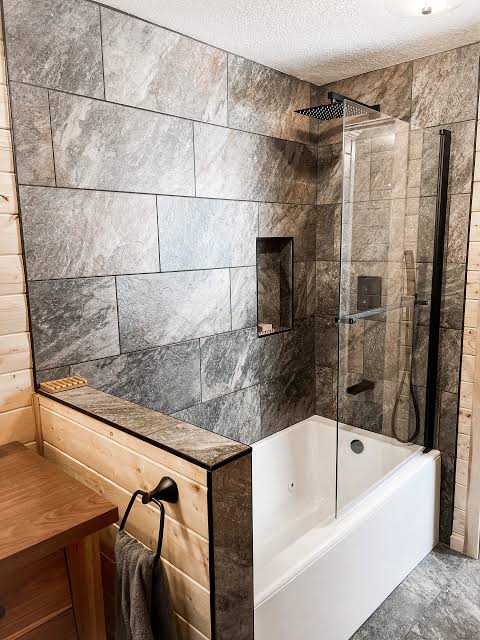
Remodeling your bathroom and kitchen involves changes to space, cabinetry, fixtures, appliances, and finishes. Existing walls and openings determine which physical changes the room requires. Appliance dimensions need to match available space, and installation requirements shape how those changes are carried out. Here is more information on how to streamline your kitchen and bathroom remodeling for efficiency:
Define Your Remodeling Priorities
A useful starting point is identifying what the existing room needs to provide. Kitchen planning should address household use, storage, appliance placement, windows, and existing style before you finalize the layout. Bathroom priorities often center on specific functional needs, including:
- Improving access
- Increasing shower size
- Adding storage
- Replacing a bathtub
Existing conditions also influence which improvements are practical within the available space during kitchen and bathroom remodeling. A larger bathroom might require reclaiming space from an adjacent walk-in closet rather than extending the room’s footprint. Some showers need to remain in their current locations, but adjusting nearby fixtures or other elements of the bathroom helps make better use of the available space.
Kitchen priorities vary according to how the space needs to accommodate functional needs; this includes storage, seating, and daily activity. A smaller U-shaped kitchen might require changes to surrounding walls or openings when greater space and seating are priorities. In other layouts, adjacent underused areas provide opportunities to expand the kitchen and breakfast area.
Optimize Designs and Installations
Professionals can help you design efficient layouts that meet your household needs; kitchens may include galley, L-shaped, U-shaped, open, and island arrangements. Planning also takes into account where the sink and stove are positioned. Full-extension drawers with organizers, corner storage, pantry areas, island drawers, and wall hooks provide different storage options. Cabinet configuration determines how these features fit within the available space. Bathroom layouts require attention to door openings, shower dimensions, storage, and fixture placement.
Installation follows a defined sequence after the design is finalized. Demolition comes first, followed by electrical and plumbing rough-ins and required inspections. Drywall and flooring follow, then cabinet installation and countertop templating. Plastic sheeting and zipper walls contain dust, and cardboard and hardboard help protect surfaces. Finish work includes hardware, crown molding, and wall tile. Permits are obtained for every project unless local authorities determine that the scope does not require one.
Coordinate Materials and Appliances
Homeowners can work with the remodeling team to choose materials and appliances in a showroom. Countertop choices should account for nearby sinks and cabinets, while flooring materials affect cleaning routines and surface comfort. New appliances may require modifications to existing cabinetry or drywall where space allows. Specialty subcontractors can handle plumbing and electrical work, along with countertop or tile modifications when required.
Schedule Kitchen and Bathroom Remodeling
Remodeling requires clear priorities, coordinated design, and installation planning. Homeowners can discuss their space and project goals with an experienced remodeling team as they develop their plans. Full-service remodeling brings design and construction into one process, and material coordination keeps project details aligned. Contact a remodeling team today to discuss your kitchen or bathroom project.
- The Link Between Hormone Replacement Therapy and Improved Quality of Life
- Streamlining Your Kitchen and Bathroom Remodeling for Efficiency
- Benefits of Self-Care in Mental Health Maintenance
- Effective Home Remedies and Care Tips for Coping with Bunions
- Understanding the Benefits and Risks of Cataract Surgery