
Effective Home Remedies and Care Tips for Coping with Bunions
October 10, 2026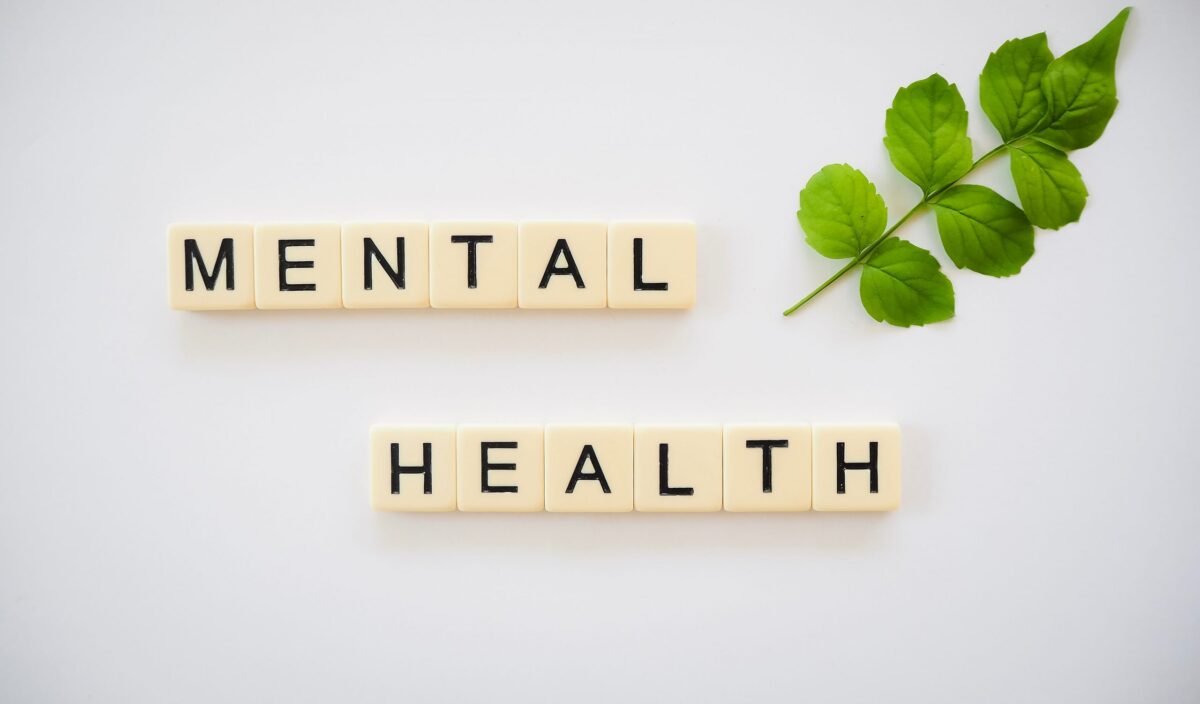
Mental health refers to a person’s emotional, psychological, and social well-being. It is present at every stage of life, and it can change over time in response to life circumstances, physical health, and environmental factors. Mental health and physical health are closely connected, affecting the ability to complete daily tasks. Recognizing the signs that mental health may be changing allows individuals to seek information and support sooner.
What Conditions Affect Mental Health?
Many conditions can affect mental health. They vary in their symptoms, and their effect on daily functioning differs from case to case. There are some commonly diagnosed conditions, including:
- Anxiety Disorders: These conditions often involve persistent worry or fear that interferes with routine activities.
- Depression: Depression may involve prolonged low mood, reduced interest in activities, changes in sleep or appetite, and difficulty concentrating.
- Bipolar Disorder: This condition involves shifts between periods of elevated mood or energy and periods of depression.
- PTSD: PTSD may develop after a person experiences or witnesses a traumatic event.
- Substance Use Disorders: These involve the repeated use of alcohol or drugs despite negative effects on health, work, or relationships.
Several factors contribute to these conditions, including genetics, brain chemistry, and other medical conditions.
How Is It Managed?
Daily habits and routines can play a supporting role in maintaining mental well-being. Self-management strategies do not replace professional care, but individuals may find that certain practices help them maintain a sense of stability. There are a variety of these strategies, including:
- Keeping a Consistent Sleep Schedule: Going to bed and waking up at regular times may support mood and concentration.
- Staying Physically Active: Exercise or other forms of movement can be part of a balanced routine.
- Eating Balanced Meals: Regular meals that include a variety of foods support overall health.
- Practicing Stress-reduction Techniques: Deep breathing and mindfulness exercises are common methods for managing daily stress.
- Maintaining Social Connections: Regular contact with friends or family can provide a source of support.
Noting patterns over several weeks may provide helpful information to share with a health care provider.
How Can It Be Treated?
A health care provider typically develops a treatment plan based on an individual’s diagnosis, symptoms, health history, and personal preferences. Plans can combine more than one approach, and they are adjusted over time as your needs change. Transcranial magnetic stimulation (TMS) uses gentle magnetic pulses, stimulating areas of the brain linked to mood. It is non-invasive, and most people may return to their normal routine right after a session.
Given under medical supervision, ketamine therapy can be an option for some people with depression that has not improved with other treatments. Sessions take place in a clinical setting, so your care team may monitor you throughout. Spravato is a prescription nasal spray for adults with treatment-resistant depression. It is also taken in a health care setting.
For people who find it hard to take a daily pill, long-acting injectables offer another path. A provider gives the medication by injection every few weeks or months, and this may help you stay on your treatment plan with fewer day-to-day reminders. Your provider can review your options, answer your questions, and help you choose a plan that feels right for you.
Confer With a Professional
Symptoms that persist for an extended period of time, as well as those that interfere with daily routines, are reasonable grounds for scheduling an evaluation. Progress in mental health care often occurs gradually, and treatment plans may change as needs evolve. Open communication with a provider about symptoms, side effects, and daily challenges helps guide those adjustments.