
3 Questions to Ask Your Dentist During Your Visit
January 15, 2026
When To Visit an Emergency Dentist for Tooth Issues
January 15, 2026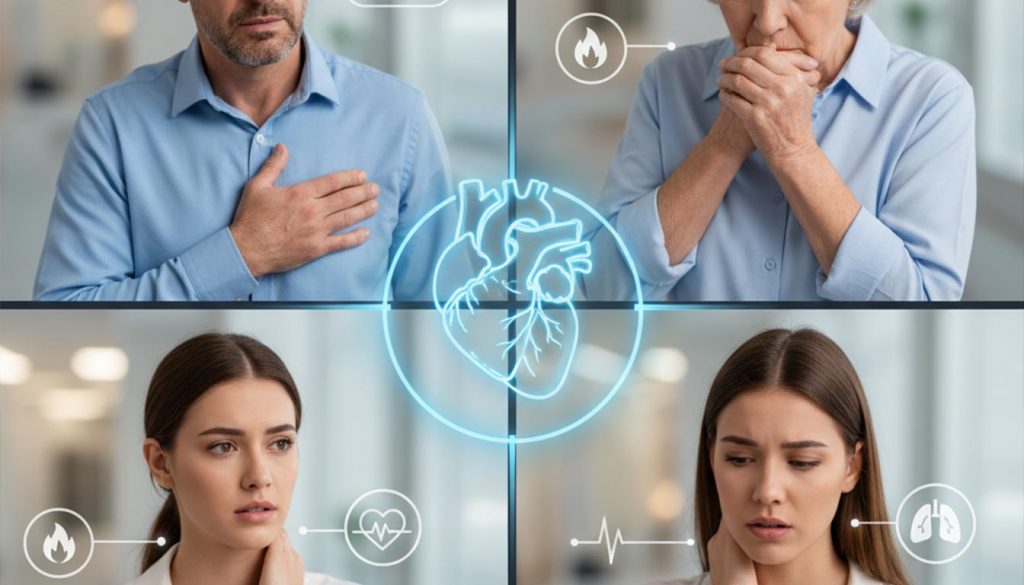
A cardiologist specializes in the heart and blood vessels, and they diagnose and treat heart-related conditions. You might see a cardiologist if you have symptoms that point to a heart problem or if you have risk factors for heart disease. Understanding when to seek their help is a key part of managing your health. Here are some signs that you should see a cardiologist:
Difficulty Breathing
Shortness of breath may indicate a heart problem. You might feel this during physical activity, but it can also happen at rest or when you lie down. When this symptom occurs, it may be because your heart may not be able to pump enough blood to meet your body’s needs.
When the heart struggles, blood can back up in the veins that go from the lungs to the heart. This leads to fluid leaking into the lungs, and it can cause difficulty breathing. You may also have a dry cough along with the shortness of breath.
Chest Pain
Chest pain can manifest in different ways, which sometimes makes it difficult to interpret. It may feel like pressure, squeezing, or fullness in the center of your chest. This sensation can last for more than a few minutes, or it might go away and come back. Pain that spreads to your back, neck, jaw, shoulders, or arms is also a sign to note.
While not all chest pain is related to the heart, it is a primary symptom of a heart attack. Pain that worsens with activity and gets better with rest is a typical pattern for heart-related pain. You might also feel pain that varies in intensity. If you experience chest pain, documenting the details for a cardiologist is a practical step.
Other causes of chest pain exist, including muscle strain or digestive issues. Heartburn, for instance, can mimic the feeling of heart pain. Yet, distinguishing between the causes is not always simple without a medical evaluation. A doctor can help determine the source of the pain.
Dizziness Issues
Feeling dizzy or lightheaded can sometimes be linked to heart conditions. These feelings may happen if your brain is not receiving enough oxygen. A drop in blood pressure or a change in your heart’s rhythm can cause this. Fainting is a more severe symptom that requires prompt medical attention. Pay attention to when these episodes happen.
Some specific situations might trigger dizziness:
- While standing up too quickly
- During or after exercise
- While experiencing other symptoms
History of Cardiac Problems
A personal or family history of heart disease may increase your own risk. If you have a close relative who had heart disease at a young age, you might have a genetic predisposition. This means you could develop similar conditions. You should share this information with your doctor. They may suggest earlier or more frequent screenings.
Your personal medical history is also relevant. Conditions such as high blood pressure, high cholesterol, and diabetes are major risk factors for heart disease. Managing these conditions is a large part of preventing heart problems, so regular check-ups can help. A cardiologist can help create a management plan tailored to your health profile.
Visit a Cardiologist
Recognizing the signs of potential heart issues is the first step toward addressing them. A cardiologist can perform tests to evaluate your heart health and determine the cause of your symptoms. Taking action allows for proper diagnosis and management. If you are experiencing any of these symptoms, schedule an appointment with a doctor to discuss your concerns.