

Understanding Gastroenterology and What It Can Do for You
February 26, 2026
The Role of Cosmetic Dentistry in Restoring Damaged Teeth
February 27, 2026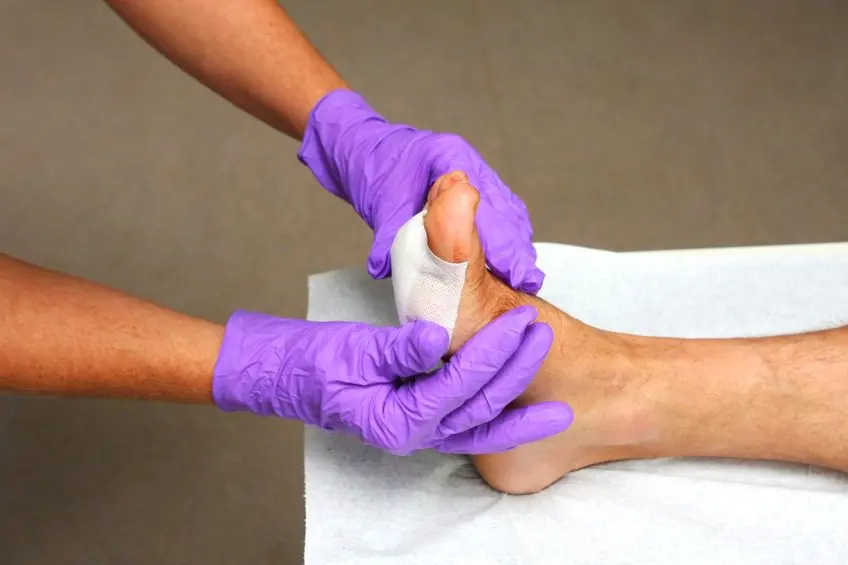
Diabetes is a group of chronic illnesses that affects the body’s ability to regulate blood sugar. Excessive levels of blood sugar can cause damage to blood vessels and nerves over time. This damage often manifests in the feet, where compromised function can lead to serious health issues. Routine diabetic foot care plays a significant role in maintaining overall health. By engaging in regular checkups and adopting healthy lifestyle changes, individuals can protect their feet, preserve mobility, and prevent the condition from worsening.
What Is Diabetic Foot Care?
Diabetic foot care refers to the specialized medical attention and daily practices necessary to maintain foot health in individuals with diabetes. It is a fundamental component of managing the disease because the condition directly impacts the extremities. High blood sugar levels can impair the function of blood vessels and nerves in the feet. When nerves do not function properly, an individual might injure themselves without realizing it due to a lack of sensation.
This loss of feeling increases the risk of complications significantly. Minor injuries that go unnoticed can escalate into infections or diabetic ulcers. Diabetic foot care is not merely about hygiene; it is a medical necessity designed to monitor for signs of nerve damage and circulation issues. It serves as a protective measure to reduce the risk of diabetes-related complications, supporting long-term mobility.
What Does It Involve?
Effective foot care involves a combination of professional medical oversight and personal diligence. A typical visit to a specialist, such as a podiatrist, includes several key steps tailored to the patient’s specific needs. The provider begins by discussing how well the patient is managing their blood sugar, as this is central to preventing further damage.
The physical examination is thorough. A specialist examines the feet, toes, and lower legs, looking for visible signs of trouble such as hair loss or skin discoloration. They also use various tools to touch the toes, feet, and legs to check for tingling, numbness, and sensitivity. This sensory testing helps determine if nerve damage is present or progressing.
Treatments provided during these visits can include:
- Wound cleaning to prevent bacterial growth.
- Wound debridement, which involves removing dead or infected tissue to promote healing.
- Prescription of antibiotics or assistive devices like wheelchairs.
Beyond the clinic, lifestyle changes are encouraged. Inspecting feet and toes daily allows individuals to spot injuries before they become infected.
How Does It Prevent Complications?
The primary goal of diabetic foot care is to reduce the risk of severe outcomes associated with diabetes. Regular checkups allow for the early detection of issues that, if left untreated, could lead to amputation or other life-altering consequences. By monitoring nerve function and blood flow, specialists can identify risks before they result in injury. Discovering a loss of sensation early allows a patient to take extra precautions. Treating a small ulcer immediately with cleaning and off-loading pressure prevents it from becoming a deep, infected wound that threatens the limb.
Meet With a Foot Specialist
Establishing a relationship with a podiatrist is a smart step for anyone managing diabetes. More frequent visits may be necessary for those with existing ulcers or symptoms that increase infection risks. Regular professional exams provide a safety net, making sure that any changes in foot health are addressed promptly. By combining professional expertise with daily self-care, individuals can navigate life with diabetes confidently, knowing their mobility and health are well-guarded.