What To Know About Your OBGYN’s Approach to Family Planning
February 27, 2026
Treatments for Alleviating Neck Pain
February 27, 2026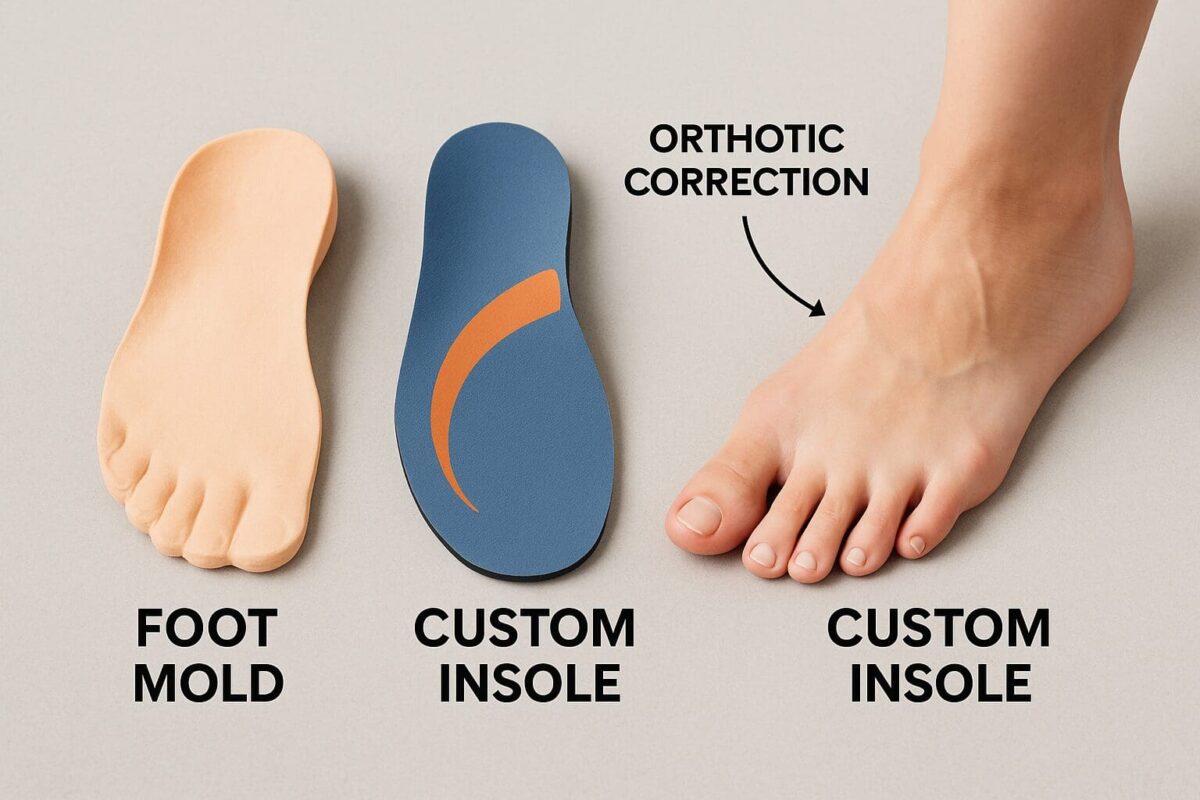
Custom orthotics are specially made devices worn inside your shoes to support and improve foot function. Unlike over-the-counter inserts, healthcare providers prescribe and craft these to fit the unique contours of your feet. Understanding the process can help you know what to expect from consultation through daily use; it involves an initial assessment, the creation of your orthotics, and an adjustment period as your body adapts.
The Conditions Custom Orthotics Treat
Healthcare providers may recommend custom orthotics for various foot, ankle, or gait-related issues, and these devices may be part of a broader management plan for discomfort stemming from structural or functional concerns. Your provider can determine if orthotics are a suitable option for your specific circumstances. You and your provider may choose orthotics for conditions such as foot pain related to pressure points or alignment. People experiencing discomfort in their heels, arches, or the balls of their feet might find them beneficial. Individuals with concerns about their walking or running patterns may also use orthotics, as these devices can help guide the foot into a more neutral position.
The Step-By-Step Process
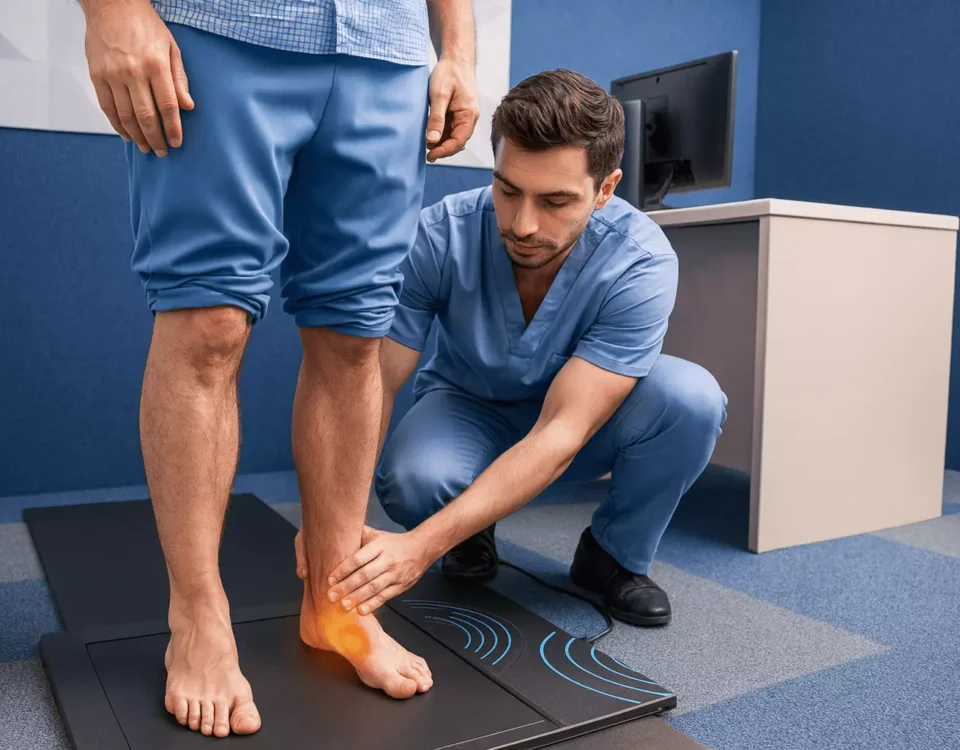
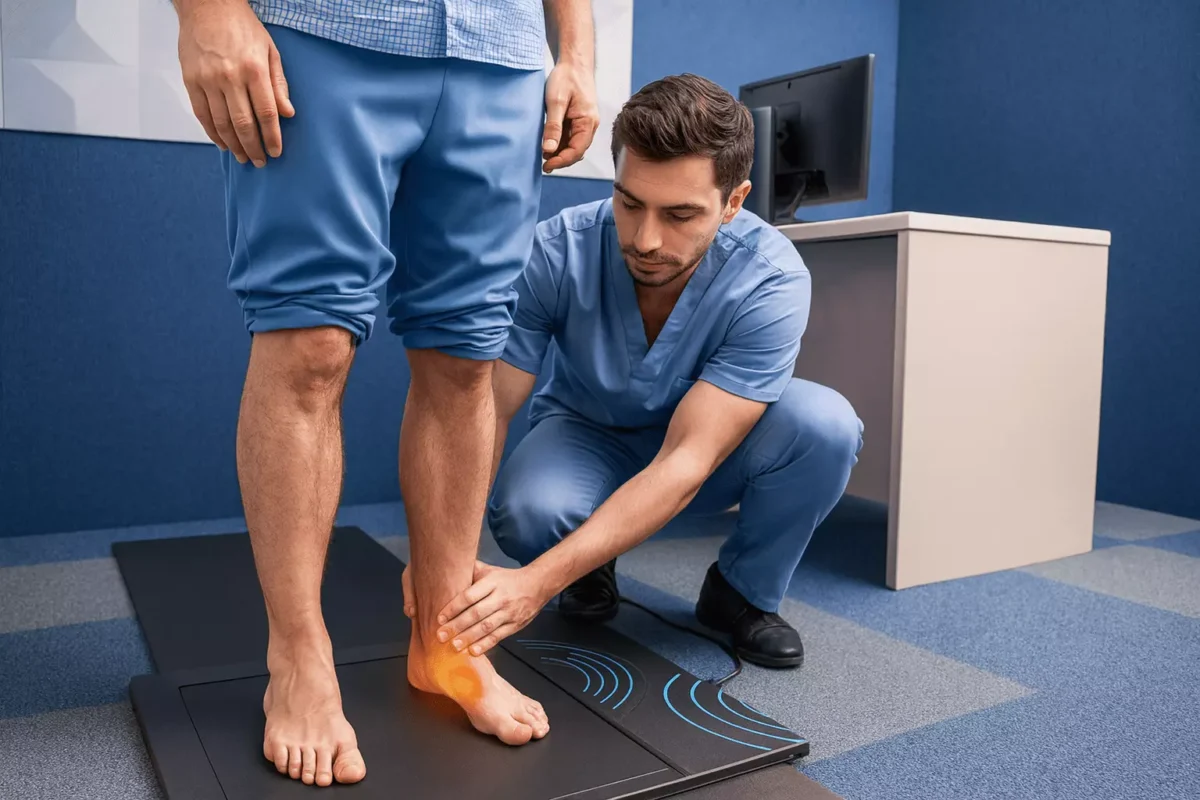
Getting custom orthotics involves a detailed, precise process to confirm they meet your specific needs. The exact steps can vary slightly, but the general procedure follows a clear path from evaluation to fitting. Your provider will conduct a thorough evaluation of your feet, ankles, and legs. This often includes observing your posture, watching you walk, and assessing your foot structure. After the evaluation, the practitioner will capture a precise impression of your feet, and this mold is used for creating a truly custom device.
The process typically includes:
- Comprehensive Assessment: Your practitioner will discuss your symptoms, activity level, and lifestyle, and they will perform a physical examination.
- Gait Analysis: You may be asked to walk or run so the provider can observe your foot mechanics in motion.
- Casting or Scanning: A 3D impression of each foot is taken. This can be done with a plaster cast, a foam box impression, or digital scanning technology.
- Lab Fabrication: The molds or scans are sent to a specialized lab where your custom orthotics are manufactured from durable materials.
- Fitting Appointment: Once your orthotics are ready, you will have a fitting appointment. The practitioner will check the fit inside your shoes and make any necessary minor adjustments.
The Adjustment Period
When you first receive your custom orthotics, your body needs time to adapt to them. Gradually starting to wear them is key to a comfortable transition. Your provider will give you specific instructions, but a typical break-in schedule involves wearing the orthotics for just an hour or two on the first day.
You can slowly increase the wear time by an additional hour each day. This gradual approach allows your muscles and bones to get used to the new support and alignment. Some mild awareness or temporary discomfort is normal, but you should not experience significant pain. If you do, contact your provider, as your orthotics may need a small adjustment. Within a few weeks, wearing your orthotics should feel natural and comfortable.
Ask a Specialist Today
Custom orthotics are a personalized tool designed to address specific foot-related concerns. The process is straightforward: it begins with a professional evaluation and ends with a device made just for you. If you are experiencing persistent foot or ankle discomfort, discussing your options with a qualified healthcare provider is a proactive step. They can properly assess your condition, and they can determine whether custom orthotics could be a beneficial part of your care plan.