
Tips for Choosing the Right Dermatologist
July 27, 2026
Understanding Arthritis and Its Treatment Options
July 28, 2026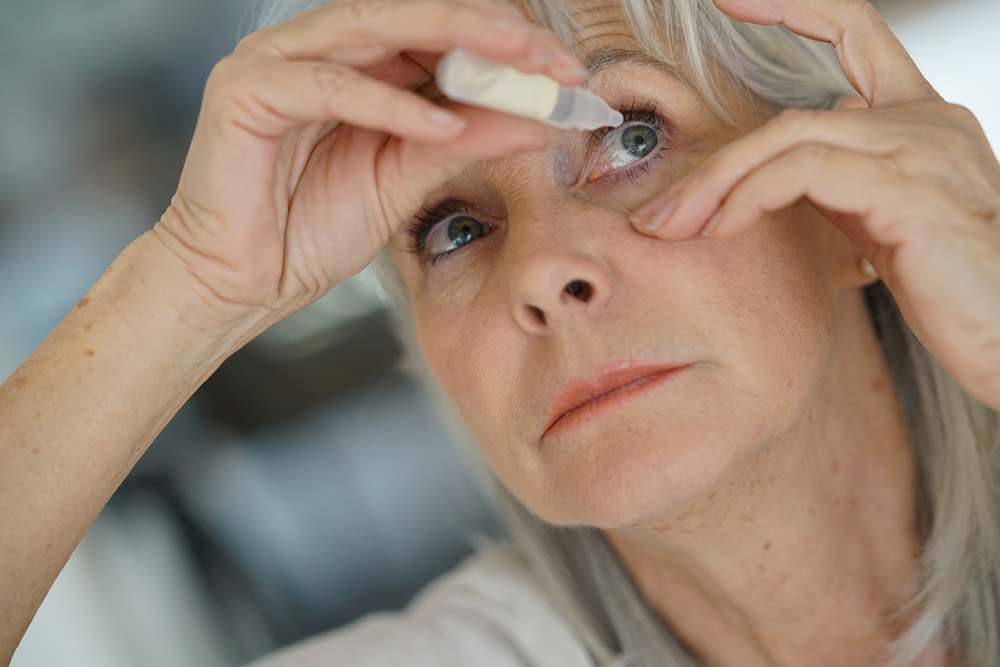
Red eyes happen when the blood vessels on your eye’s surface become irritated, and the cause might be minor, but the redness sometimes points to a condition that needs attention. Since so many triggers exist, you may feel unsure about what to do next. Here are some of the major causes of this condition and the treatments that address them:
Pink Eye
Pink eye, or conjunctivitis, inflames the thin tissue covering the white of your eye. Viruses cause most cases, and bacteria or allergens trigger the rest. If your eye feels itchy and produces discharge, you may have this condition.
Viral pink eye spreads easily, so you want to wash your hands often. A doctor prescribes antibiotic drops for bacterial cases, but viral cases clear on their own. When allergies lead to red eyes, avoiding the trigger reduces your symptoms.
Dry Eye
Dry eye develops when your tears fail to keep the surface moist. Your eyes might sting or feel gritty, and they typically look red. Screen time, wind, and aging all may contribute to this problem.
You produce fewer quality tears as you get older, and certain medications worsen the effect. A short break from screens helps, though lasting relief usually needs treatment. If drops alone fall short, your eye doctor may suggest other options.
Lifestyle changes can significantly improve symptoms of dry eye. Regularly blinking during screen use is a simple way to refresh your eyes and reduce strain. While over-the-counter drops may help, combining them with doctor-recommended treatments ensures more comprehensive relief.
Various Other Causes
Beyond infections and dryness, several everyday factors turn your eyes red. Some are harmless, while others signal something that needs care. Watch for redness that lingers or comes with pain.
Typical triggers include:
- Lenses worn too long
- Smoke, dust, or chlorine exposure
- Lack of sleep or eye strain
Most of these fade once you remove the source, but persistent redness deserves an exam. A doctor rules out serious issues like glaucoma or uveitis. When redness pairs with vision changes, you want to seek help quickly.
Red Eye Treatments
Treatment depends on the cause, so an accurate diagnosis comes first. Your eye doctor examines your eyes and asks about your symptoms. From there, the right approach becomes clear.
Eye drops handle many cases, and different types target different problems. Options include:
- Artificial tears for dryness
- Antihistamine drops for allergies
- Antibiotic drops for bacterial infections
- Anti-inflammatory drops for swelling
For chronic dry eye, your doctor might place punctal plugs. These tiny devices block the drainage ducts, so your tears stay on the surface longer. The procedure is quick, and it keeps more moisture where you need it.
Some people have eyelids that turn inward or outward, and this irritates the eye. Eyelid surgery corrects the position when drops and plugs do not solve the problem. A specialist performs this after reviewing your case carefully.
Get Treatments for Red Eyes
Red eyes stem from many sources, from a passing irritation to a condition that needs care. Learn the causes and the treatments that match them. If your redness lingers or your vision changes, schedule an eye exam today. A proper diagnosis points you toward the treatment that fits your needs.