
Addressing Concerns About Pain During Veneer Placement
January 13, 2026
The Different Types of Dentures and Which is Right for you
January 13, 2026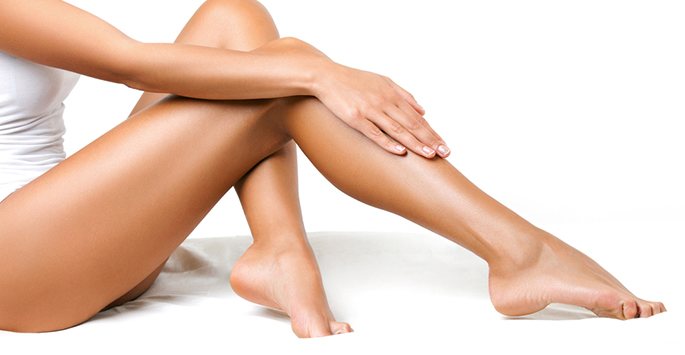
Understanding varicose veins is the first step toward managing them. Many people want to know more about their condition, so they turn to resources for answers. These resources help you make informed decisions about your health, and they offer guidance as you manage your varicose, or spider, veins.
Compression Stockings
Compression stockings are a common starting point. These special socks apply gentle pressure to your legs. This pressure improves blood flow and reduces discomfort while you wear them. They are available over-the-counter, or a doctor may prescribe a specific strength if needed. Many find them helpful for daily management. You wear them during the day and remove them at night. They come in various sizes and pressure levels, so finding the right fit matters for effectiveness. Talk to a professional about the correct type, especially if you have other health conditions.
Sclerotherapy for Varicose Veins
Sclerotherapy is a medical procedure for varicose veins. A healthcare professional performs this treatment in an office. They inject a solution into the veins, causing the vein walls to stick together. The vein closes, and blood is rerouted while the body absorbs the treated vein over time. This is a frequently used option, and many patients find it effective. The procedure is typically quick, but several sessions may be needed for the best results.
After treatment, you might wear compression stockings for a short period, which helps the healing process. Your doctor will provide specific aftercare instructions to follow. Sclerotherapy generally does not require anesthesia, and most people return to their normal routine the same day. The number of injections depends on the size and number of veins being treated, so your provider tailors the session. Attend follow-up appointments, as your doctor will assess how your veins respond.
Endovenous Laser Treatment (EVLT)
Endovenous laser treatment, or EVLT, is another choice. This procedure uses laser energy to treat spider veins. A small laser fiber is inserted into the vein. The laser heats the vein from the inside, causing it to collapse and seal shut. EVLT is a minimally invasive technique. Doctors perform it using local anesthesia, and patients usually resume normal activities soon after. The body absorbs the closed vein over time, and blood flow moves to healthier veins. Your specialist recommends this option based on your situation. During the procedure, ultrasound imaging guides the placement of the laser. Compression stockings are often recommended afterward to support recovery and improve blood flow. Side effects may include mild bruising, swelling, or a tight sensation in the treated area, but these are short-lived. Follow your provider’s post-procedure instructions and report any persistent symptoms.
Learn More from a Specialist
You have many resources for understanding spider veins. Compression stockings offer a non-invasive approach. Sclerotherapy and EVLT are common medical treatments. Although spider veins are usually harmless, some people seek treatment because they feel self-conscious about their appearance. Each option has its own process, so learn about them before making a choice. Speaking with a healthcare provider is the best way to get personalized information. They assess your specific needs and recommend a suitable path forward.