
Teeth Whitening Myths Debunked
February 23, 2026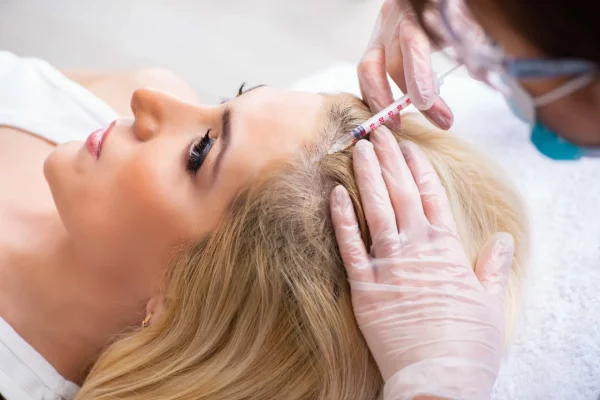
Aesthetic medicine focuses on improving cosmetic appearance through minimally invasive procedures. Among these treatments, platelet-rich plasma (PRP) therapy has gained attention for its potential applications, including hair and skin restoration. This therapeutic approach is regenerative, so it supports the body’s healing processes by using an individual’s own platelets. Here’s information on platelet-rich plasma therapy and how it is used for hair loss:
How Platelet-rich Plasma Therapy Works
PRP therapy is a form of regenerative medicine that harnesses the body’s own healing capabilities, and it involves concentrating platelets from blood. Platelets are known to contain growth factors that play a role in tissue repair and regeneration. Initially used in fields like orthopedics to aid the healing of injured tendons, ligaments, and muscles, PRP has expanded into other medical areas. In dermatology and aesthetic medicine, it is applied for skin rejuvenation and as a treatment option for certain types of hair loss. The growth factors within the plasma are thought to stimulate cellular activity when injected into specific areas.
For hair restoration, platelet-rich plasma is prepared from an individual’s own blood and then injected into their scalp. The theory is that the high concentration of growth factors in the plasma solution can stimulate dormant or inactive hair follicles, encouraging them to activate and grow. This process may increase hair thickness and density, but individual results vary depending on the underlying cause of hair loss.
What The Process Is Like
A PRP therapy treatment process begins with a standard blood draw from the arm. This blood is placed into a centrifuge, a machine that spins at a high speed to separate the blood components. The centrifuge processes the platelet-rich plasma to isolate them from red and white blood cells, becoming the PRP concentrated solution. Once the PRP is prepared, here are the treatment steps for hair:
- The scalp is cleaned, and a local anesthetic may be applied to minimize discomfort.
- The concentrated PRP is injected into the areas of the scalp experiencing hair thinning or loss.
- The entire procedure typically takes about an hour, and multiple sessions are often recommended, usually spaced several weeks apart.
How Hair Loss Can Improve
PRP therapy is most commonly available for androgenetic alopecia, which is a genetic condition characterized by predictable hair thinning. Individuals in the early stages of hair loss are best suited for this procedure, as the treatment focuses on stimulating existing, weakened hair follicles. It is generally not recommended for areas with complete hair loss, and its application for other conditions like alopecia areata is still being investigated.
Male- and female-pattern baldness, which is androgenetic alopecia, is primarily caused by a combination of genetic predisposition and hormonal changes. In men and individuals assigned male at birth, this condition is often linked to the hormone dihydrotestosterone (DHT), a derivative of testosterone. This hormone can shrink hair follicles over time, leading to thinning and eventual hair loss. This typically results in a receding hairline and balding at the crown.
For women and individuals assigned female at birth, androgenetic alopecia generally manifests as hair thinning across the scalp rather than in distinct patterns of baldness. Hormonal fluctuations, particularly those caused by menopause, can also have a role in the onset of female hair loss. Both causes are progressive, meaning hair loss tends to worsen over time if left untreated. Understanding the underlying causes can help individuals seek timely and effective treatment options.
Learn More About PRP Therapy Benefits
Platelet-rich plasma therapy is becoming more readily available for regenerative and cosmetic uses. This therapy leverages the body’s natural healing mechanisms, and it is straightforward with minimal downtime. If you’re interested in options for hair loss, contact a PRP specialist to schedule an appointment today. A specialist can provide a thorough evaluation and determine if this therapy is appropriate for your needs.