
Seasonal Allergies and Their Effects on Sleep Quality
July 18, 2026
Exploring the Benefits of Personal Training for All Fitness Levels
July 20, 2026
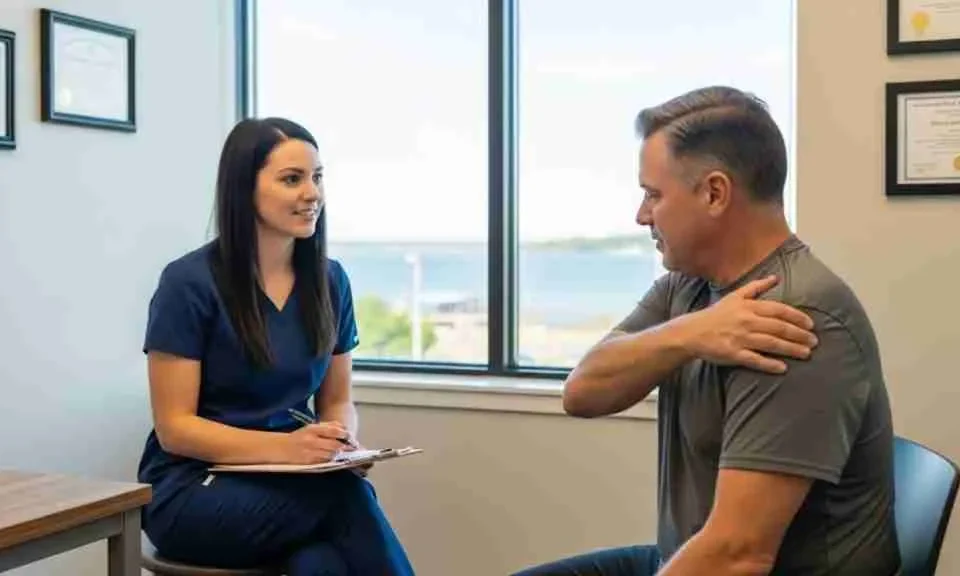
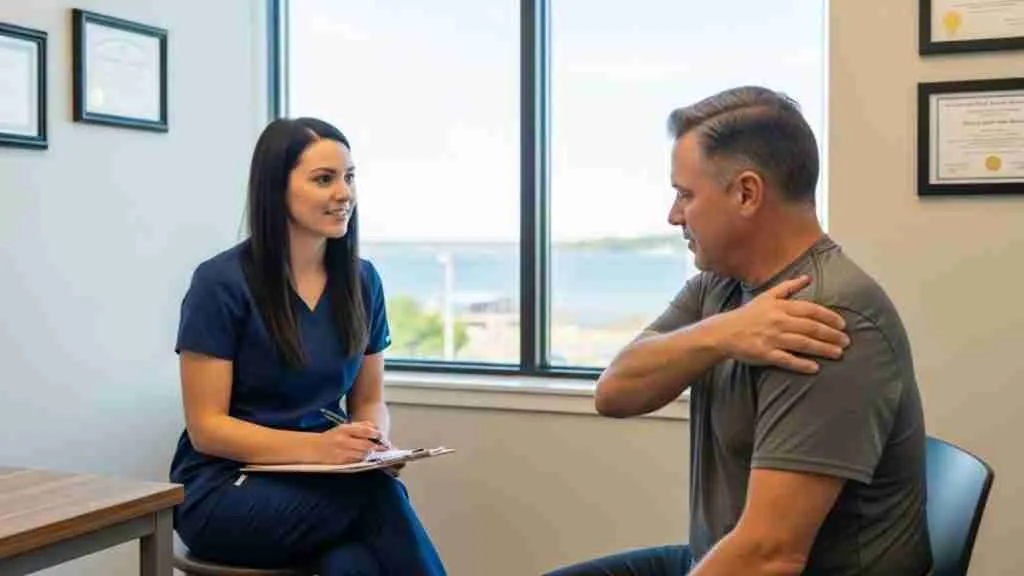
Choosing the right sports injury doctor supports an accurate diagnosis, effective treatment, and a safe return to physical activity. Significant factors to evaluate include the doctor’s qualifications and experience with your type of injury. Here is more information on choosing the right sports injury specialist for your needs:
Assess Your Needs
Start by identifying the type and severity of your injury, as this helps you choose a sports injury doctor. A minor muscle strain may only require basic care, while a torn ligament often requires care from a specialist with surgical experience. Contemplate the nature of your problem, the activity that caused it, and how long the symptoms have lasted. Here are key details to review:
- Injury location: Note whether the issue affects a joint, muscle, tendon, or bone, because this impacts the type of expertise you need.
- Symptom duration: Track how long you’ve felt pain or limited movement, and share this timeline with the provider.
- Activity goals: Identify the sport or activity you want to return to, since a doctor can tailor rehabilitation to that goal.
Assessing these factors thoroughly supports a focused and effective approach to finding the right care for your needs.
Review Professional Credentials
Credentials confirm that a sports injury specialist has the training to treat your condition. Look for board certification in sports medicine, orthopedics, or a related field, and check whether the provider holds an active license in your state. A doctor who treats athletes regularly often brings practical familiarity with common activity-related injuries.
Experience matters as much as formal qualifications, so ask how often the provider handles cases like yours. Some specialists focus on specific joints or sports, while others treat a broad range of conditions. When you match the doctor’s background to your injury, you improve the odds of a well-suited care plan.
Compare Treatment Approaches
Sports injury doctors use different methods, so comparing approaches helps you find a good fit. Some lean toward conservative care such as physical therapy, bracing, and guided exercise, while others may recommend procedures when needed. Understanding a provider’s general philosophy lets you decide whether it aligns with your preferences. Ask how they typically structure a recovery plan, and note whether they explain the reasoning behind their recommendations. A clear explanation signals that the doctor values your understanding, and it makes the process easier to follow.
Evaluate Access and Communication
Practical factors like location, availability, and communication style affect your recovery experience. A conveniently located clinic makes follow-up visits easier, and flexible scheduling helps you stay consistent with rehabilitation. Good communication keeps you informed throughout recovery, so pay attention to how a provider responds during your first contact. The following are access and communication factors worth reviewing:
- Appointment availability: Check wait times for new patients and follow-ups, because delays can slow your recovery.
- Location: Confirm the clinic’s distance, as this can impact routine check-ins.
- Responsiveness: Note how quickly the office responds to calls or messages.
Evaluating these factors helps you choose a sports injury specialist you can reach when questions arise.
Consult a Sports Injury Doctor Today
Choosing the right sports injury specialist requires evaluating several key aspects. These include their qualifications, specialization, treatment options, availability, and responsiveness. The location and flexibility of services also play a key role in making your recovery process smooth and accessible. Contact a qualified sports injury doctor near you to schedule your consultation today.