
Understanding When to See a Podiatrist for Foot Pain
September 9, 2026
How Do Medical Professionals Help With Weight Loss Success
September 9, 2026
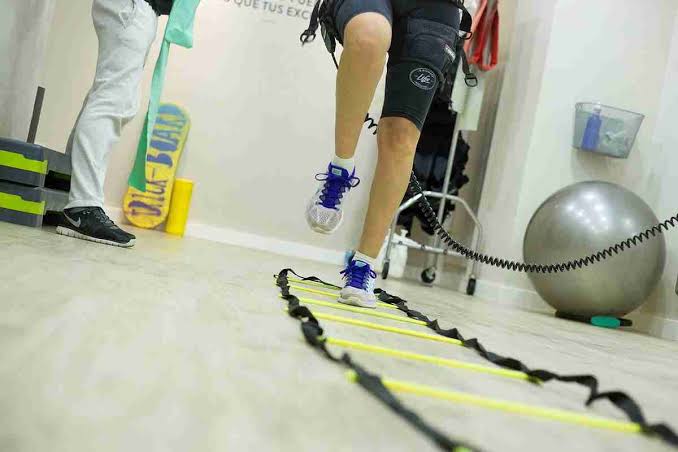
By using targeted exercises and specialized techniques that address posture, flexibility, balance, and muscle strength, physical therapy can improve athletic performance while promoting more efficient movement. Methods such as stretching, resistance training, and manual therapy help athletes move more efficiently, and these approaches also reduce injury risk. A licensed physical therapist tailors these methods to each athlete’s specific sport and physical condition. Here is more information on what physical therapy involves:
What Is Physical Therapy?
Physical therapy is a treatment approach that restores and improves physical function through movement-based techniques. A licensed physical therapist assesses an individual’s strength, flexibility, and range of motion. Once the assessment is complete, the therapist designs a treatment plan based on their findings, which typically includes hands-on techniques, guided exercises, and equipment-based interventions. Athletes rely heavily on their bodies, and physical therapy addresses two primary goals that reflect this demand: recovering from injury and improving physical performance. A physical therapist identifies movement inefficiencies and builds a structured plan around them.
What Are the Different Methods?
Physical therapists draw from a range of methods depending on an athlete’s needs. These techniques address different aspects of physical function, from muscle activation to pain management. Standard methods include:
- Posture exercises, which correct alignment issues
- Active or assisted stretching, which increases flexibility
- Balance and coordination exercises, which improve stability
- Electrical stimulation, which activates muscles and reduces pain signals
- Massage therapy, which relieves muscle tension and promotes circulation
- Trigger point therapy, which targets tight muscle knots that limit motion
Each method addresses a distinct physical limitation. A physical therapist selects and combines these techniques based on an athlete’s sport, injury history, and performance goals.
How Is Athletic Performance Enhanced?
Athletic performance depends on more than raw strength. Coordination, flexibility, and efficient movement patterns all contribute to how well an athlete competes, and physical therapy addresses these factors directly. When muscular imbalances are corrected, physical therapists can help athletes improve their speed, power, and endurance.
Reduced injury risk also supports better performance over time; athletes who work with a physical therapist may be less likely to experience sudden strains, sprains, or overuse injuries. As long as they maintain this consistency, athletes can achieve steady, uninterrupted progress. Continuous training, free from setbacks, helps improve long-term athletic performance.
How Is Professional Guidance Beneficial?
When individuals work with a licensed physical therapist, they gain access to advantages that self-directed training cannot replicate. A therapist evaluates an athlete’s movement patterns through clinical assessments, and they identify issues that may otherwise go unnoticed. General fitness routines rarely detect subtle hip imbalances and muscle asymmetries, yet these issues can affect athletic performance.
Professional guidance allows treatment plans to adjust as progress occurs. A physical therapist tracks progress, and they modify exercises to match an athlete’s evolving needs. This individualized approach helps prevent plateaus and reduces the likelihood of re-injury, which distinguishes physical therapy from generic training programs.
Therapists may also educate athletes on proper technique and body mechanics. This knowledge extends beyond the treatment room, and athletes who understand correct movement patterns are better equipped to maintain them during independent training. When athletes apply this understanding in competition, they reinforce the foundational habits that support long-term physical health.
Visit a Physical Therapist
Athletic performance improves when the body moves efficiently, without pain or imbalance holding it back. Physical therapy methods such as stretching and manual therapy address these limitations, and they give athletes a structured plan for better function and reduced injury risk. If muscle tightness, imbalance, or recurring pain affects your performance, schedule a consultation with a physical therapist.