
The Role of Root Canal Therapy for Dental Health
July 16, 2026
The Connection Between Telehealth and Improved Mental Health Outcomes
July 17, 2026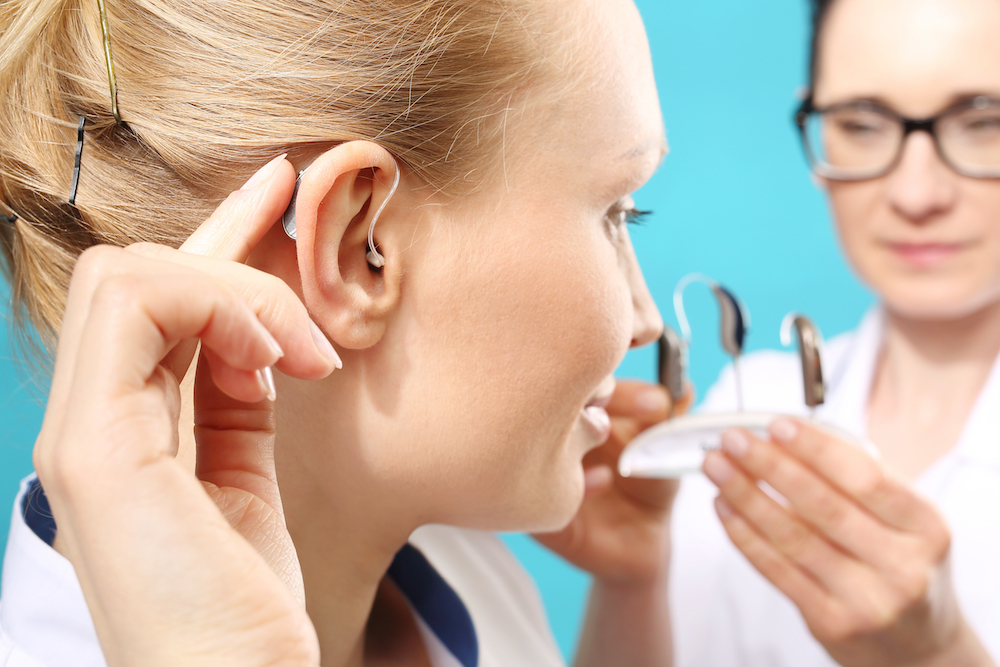
Hearing aids can improve communication, increase awareness of surrounding sounds, and make daily activities more manageable for people with hearing loss. Achieving the best results requires proper fitting, routine maintenance, and ongoing professional support. Here are several ways to maximize the benefits of hearing devices for better hearing:
Choose the Right Fit
The right fit starts with a proper assessment, and a hearing specialist can measure your hearing levels before recommending a device. A model that suits one person may not suit another; your lifestyle and degree of hearing loss guide the decision. When the hearing aids match your needs, you can adapt faster and stay more comfortable throughout the day. Here are several factors that deserve attention when choosing your device:
- Style: Behind-the-ear, in-the-ear, and receiver-in-canal models differ in size and visibility, so pick one that suits your comfort and dexterity.
- Features: Options such as Bluetooth connectivity, noise reduction, and rechargeable batteries affect daily convenience.
- Fit and comfort: A device that sits securely reduces feedback and stays in place during activity.
Evaluating these points with your specialist helps you choose a device that works for your routine.
Build Consistent Habits
Consistency is key to adjusting to new hearing aids; wearing them daily trains your brain to process amplified sound. People often start with a few hours each day, then gradually increase the time as comfort grows. This steady approach eases the transition, and it helps you notice sounds you may have missed. Regular use also builds familiarity with the controls, so you learn to adjust volume and switch settings without hesitation. Wearing your devices in different environments sharpens your ability to interpret varied sounds.
Maintain Device Performance
Clean, well-kept hearing aids often perform better, and daily care extends their working life. Moisture, earwax, and dust can affect sound quality, so a quick wipe with a dry cloth after each use keeps the surfaces clear. Here are some maintenance steps to keep your devices working as intended:
- Wipe daily: Remove wax and moisture from the shell and microphone openings with a soft, dry cloth.
- Check filters and tubing: Replace wax guards and inspect the tubing if the sound seems muffled.
- Manage power: Charge rechargeable models fully, or keep spare batteries on hand for disposable types.
- Schedule professional cleaning: Visit your specialist for deep cleaning and technical checks a few times a year.
Following these steps protects your device and helps maintain clear sound.
Improve Long-term Results
Your first few weeks with hearing aids are a learning period, and your hearing often improves as your brain adapts. Keep notes on situations where hearing feels difficult, then share those details with your specialist during follow-up visits. This feedback allows for fine-tuning, and adjustments to settings can make a noticeable difference.
Practice also plays a role; activities like listening to audiobooks or following conversations in small groups help retrain your hearing. Some devices offer companion apps that let you adjust settings and track usage, giving you more control over your experience. As you gather feedback and refine the settings, your comfort and clarity continue to grow.
Schedule Your Hearing Aids Appointment
Getting the most from hearing aids depends on several factors. These include choosing the right fit, wearing them consistently, maintaining them properly, and refining the settings over time. An ENT specialist can guide you through the selection and fitting process, and they also provide ongoing care. Contact a qualified ENT specialist near you to schedule your appointment for hearing aids today.