Recovery Tips After Oral Surgery
February 26, 2026
Choosing the Right Dentist for Specialized Care
February 26, 2026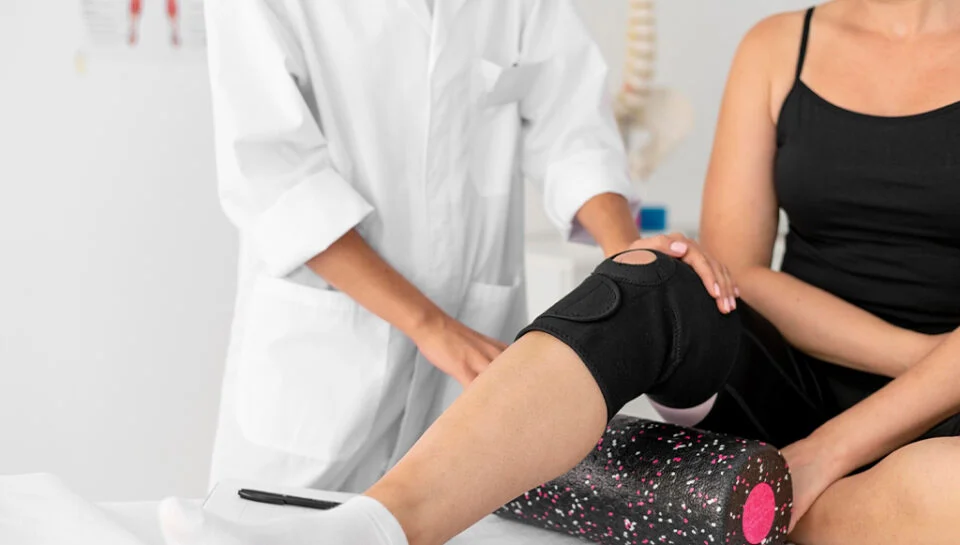
Arthritis is a general term for joint inflammation, but it encompasses more than 100 conditions that affect the joints, the tissues around them, and other connective tissues. The most common forms are osteoarthritis and rheumatoid arthritis. This condition directly affects a joint’s ability to move through its full range of motion. When inflammation occurs, the tissues surrounding the joint can become swollen and painful, limiting movement. Over time, chronic inflammation may lead to permanent changes in the joint structure, further restricting mobility and altering daily function.
Key Connections
The link between arthritis and reduced mobility is primarily mechanical. In a healthy joint, cartilage acts as a cushion between bones, allowing them to glide smoothly against one another during movement. Arthritis disrupts this smooth interaction, and as a result, movements that were once easy may become challenging and uncomfortable.
- Cartilage Degradation: In osteoarthritis, the protective cartilage wears down over time. This causes friction as bones rub together.
- Inflammation: In rheumatoid arthritis, the body’s immune system attacks the joint lining. This causes swelling that restricts space for movement.
- Stiffness: Morning stiffness is a hallmark symptom. The joints feel “locked” after periods of inactivity, making initial movements difficult.
Pain signals often cause a person to unconsciously limit their movement to avoid discomfort; this reduced activity can lead to muscle weakness around the joint, creating a cycle of further instability and stiffness. The joint capsule itself may thicken and tighten in response to chronic inflammation, physically preventing the joint from fully extending or flexing.
Treatment Options
Managing arthritis focuses on reducing symptoms and preserving function. There is currently no cure for most forms of arthritis, but several strategies can help manage the condition effectively.
- Medication: Over-the-counter pain relievers and anti-inflammatory drugs are often the first line of defense. Physicians may prescribe stronger medications for severe cases.
- Physical Therapy: A physical therapist can design a specific exercise program. These exercises target the muscles surrounding the affected joint to provide better support.
- Injections: Corticosteroid or hyaluronic acid injections may provide temporary relief of pain and inflammation at the injection site.
- Surgery: In advanced cases where conservative treatments fail, joint replacement surgery might be advisable.
Consult with a healthcare professional to determine the most appropriate treatment plan for you. Different types of arthritis require different approaches, and what works for one person may not work for another. Early intervention often leads to better long-term outcomes for joint preservation.
Mobility Improvement
Improving mobility requires a consistent and multifaceted approach. Medical treatments address the underlying inflammation, and lifestyle adjustments play a significant role in maintaining function. Motion is often described as “lotion” for the joints. Regular, low-impact exercise helps keep joints flexible without adding excessive stress. Swimming and water aerobics are excellent choices because the water supports the body’s weight. Walking and cycling are also beneficial for maintaining cardiovascular health and lower-body strength.
Stretching is another component, and gentle daily stretching exercises can help maintain the range of motion. Stretch when the muscles are warm, perhaps after a short walk or a warm shower. Weight management is also a factor. Excess weight places significant additional stress on weight-bearing joints, such as the hips and knees. Losing even a small amount of weight can reduce the load on these joints and improve mobility. Assistive devices can also help maintain independence. Canes, walkers, or simple tools like jar openers can reduce the strain on affected joints during daily tasks.
Ask About Arthritis Today
If you experience persistent joint pain, stiffness, or swelling, it is recommended to seek professional advice. Early diagnosis allows for a wider range of management options and can help prevent significant mobility loss. A specialist can evaluate your specific symptoms and recommend a personalized plan; this plan aims to reduce discomfort and help you maintain an active, independent lifestyle. Contact a healthcare provider to discuss your symptoms.