
How OB/GYNs Support Women’s Health Beyond Reproductive Years
February 25, 2026
The Intersection of Functional and Aesthetic Goals in Cosmetic Dentistry
February 25, 2026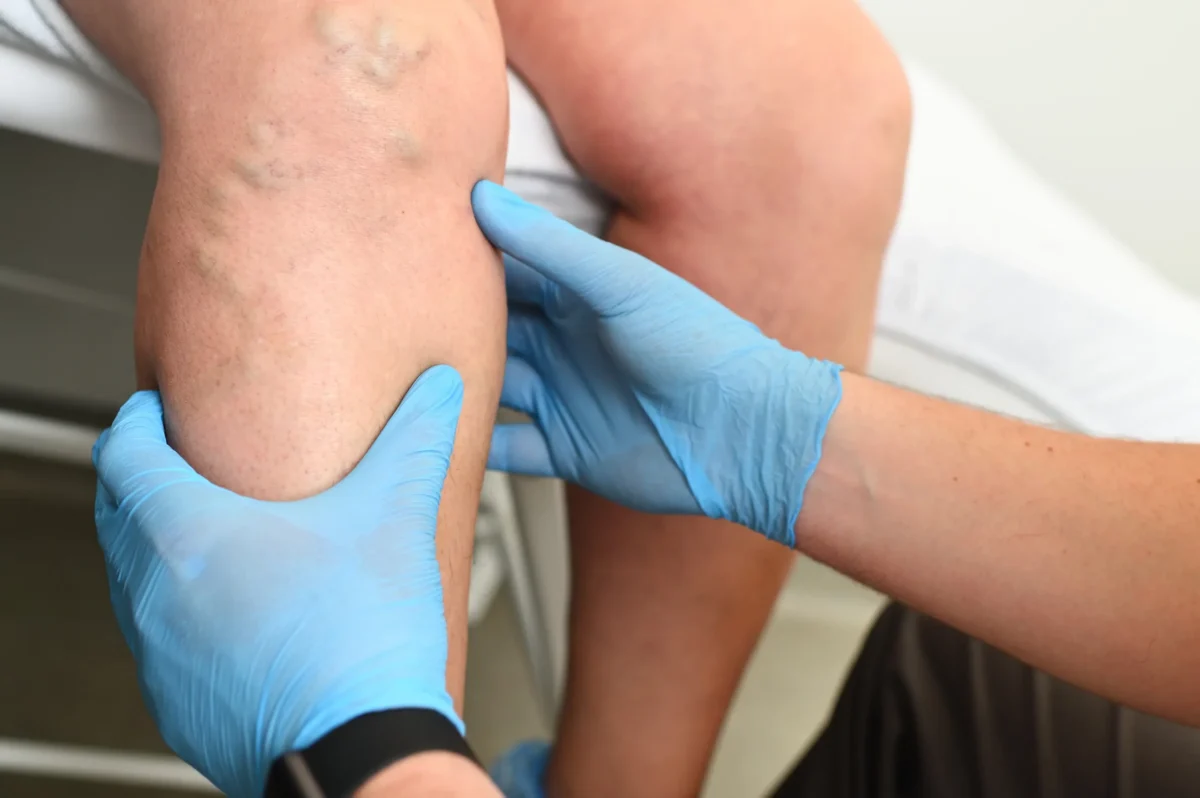
Spider veins are small, damaged veins that may appear on the surface of the skin, and they look like red, purple, or blue webs. These veins can develop anywhere on the body, but they typically show up on the legs and face. While they are usually a cosmetic concern, they sometimes cause aching or burning sensations. Here is more information about the connection between spider veins and stress tests:
Evaluating Blood Flow
A cardiac stress test shows how your heart works during physical activity. The test makes you exercise, and this forces your heart pump harder and faster than it does during most daily activities. While the primary purpose is to check heart function, the test also provides information about blood circulation throughout your body.
Physicians monitor blood flow, and they can observe how well your circulatory system responds to exertion. This helps identify potential blockages or abnormal heart activity that may not be noticeable when at rest. By detecting these issues early, physicians can recommend lifestyle changes or treatments to improve overall cardiovascular health.
Increasing Blood Pressure
During a stress test, your blood pressure naturally rises to meet the body’s increased demand for oxygen. This temporary increase in pressure puts more strain on your entire vascular system, including the smaller veins. Weak vein valves struggle to manage the increased blood flow, and this may contribute to the visibility of these veins, but it typically fades quickly.
Promoting Physical Activity
A stress test involves controlled physical exertion, typically on a treadmill or stationary bike. Regular physical activity is a standard recommendation for managing and preventing this type of vein because it improves circulation. It stimulates blood flow in your legs, which helps push blood back toward the heart. Better circulation may reduce the likelihood of blood pooling, a primary cause of spider veins.
This test can highlight the benefits of regular exercise for your vascular health. When you engage in activities like walking or cycling, you strengthen the muscles that support your veins. This muscular support lessens the strain on your vein walls and valves, and it may reduce the development of new spider veins and the appearance of current ones.
While the test itself is a short burst of activity, it serves as a practical demonstration of how exercise impacts your body. The immediate effects on your heart rate and circulation may be measurable. This experience can motivate you to incorporate more physical activity into your daily routine, which supports long-term vein health.
Sharing Risk Factors
There are several shared risk factors between heart conditions and spider veins. A physician will review your medical history before a stress test, and this review might bring some of these shared factors to light. Recognizing these connections helps you understand your overall vascular health more completely.
Risk factors include:
- Age
- Family history
- Lifestyle
- Obesity
These elements influence both your cardiovascular system and the health of your veins. For instance, excess weight puts pressure on your heart and your leg veins. A family history might indicate a genetic predisposition to both heart issues and weaker vein walls. Understanding these overlaps provides a more comprehensive view of your health.
Get Treated for Spider Veins
While a stress test is not designed to diagnose or treat spider veins, it can indirectly highlight factors related to your vascular health. The procedure shows how your body responds to physical exertion, affecting blood flow and pressure in your veins. To learn more about your options, schedule a consultation with a vein specialist today.