

Educational Resources Available for Patients with Spider Veins
January 13, 2026
The Role of Follow-up in Urgent Care
January 13, 2026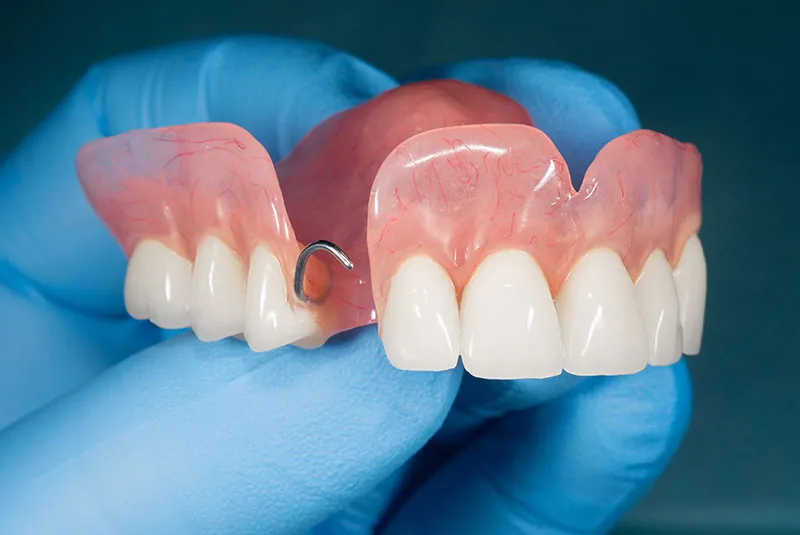
Losing natural teeth can impact how a person eats and speaks on a daily basis, and dentures can be a practical solution to tooth loss. Because there are different types of removable oral appliances, and each case is unique, a dental provider can discuss the options and review your specific needs. Here is more information about dentures and the different benefits they can provide to those looking to replace missing teeth:
What Are Dentures?
Dentures are removable dental appliances that replace missing teeth and restore bite function. Because these prosthetics are custom-made, they fit the unique shape of a patient’s mouth. An upper denture features a flesh-colored acrylic base that covers the palate; the lower denture is shaped like a horseshoe to accommodate the tongue. Patients use these devices to restore the look of their smile and improve their ability to chew food.
Who Uses These Appliances?
A person might benefit from removable oral appliances if they have lost natural teeth due to gum disease or tooth decay. When teeth are missing, the facial muscles can sag and change the shape of the face. Dentures help fill out the appearance of the face and profile, and they provide support for the lips and cheeks. Some patients only require partial replacements, while others benefit from full appliances to replace the top and bottom teeth.
Since chronic tooth decay can lead to infection, removing damaged or decayed teeth is sometimes necessary for overall health. Dental professionals recommend tooth replacements to prevent remaining teeth from shifting out of alignment. Losing multiple teeth makes chewing difficult, and appliances like a denture help restore a normal bite. Clearer speech is another benefit for those who choose this treatment.
What Are the Different Types?
To address different degrees of tooth loss, dental professionals offer several variations of prosthetics. Conventional full appliances are placed in the mouth after any remaining teeth are removed and the gum tissues have healed. Full dentures rely on the palate of the mouth for stability, and you will need to use denture adhesive to hold them in place each day. Partial dentures are used when some natural teeth remain, and they may be supported by dental implants or natural teeth.
Both types of dentures require maintenance and cleaning to keep them in good condition. Here are some tips for how to care for and maintain dentures:
- Take dentures out to sleep at the end of the day.
- Use a specialized denture brush and paste to brush them.
- Use a denture solution to soak the appliances overnight.
- Continue to brush your natural gums and structures inside your mouth at night to remove bacteria and debris.
Learn More About Dentures
Dentures are one way to resolve the complications that come with missing teeth, and there are different types to address different concerns. If you are interested in exploring the benefits of dentures, a dental professional can evaluate your case and recommend a suitable treatment to fit your needs. To learn more about dentures, consult a dental professional near you.