
Pregnancy Support Systems and Resources
February 26, 2026
Exploring Skin Rejuvenation Technology and Techniques
February 26, 2026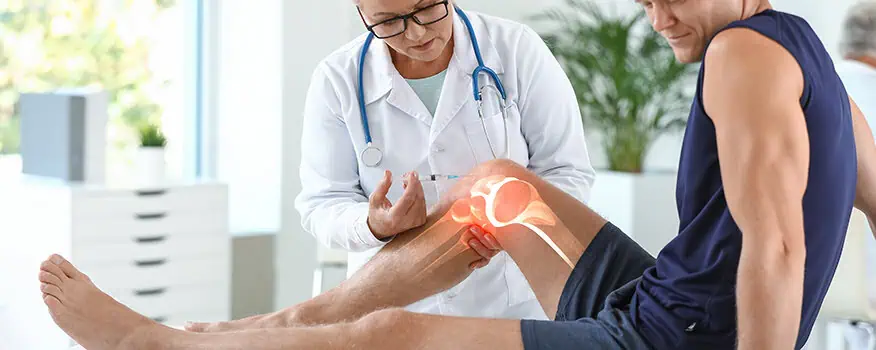
In the field of sports medicine, joint function refers to the ability of joints to move smoothly through their full range of motion, while mobility describes how well the body moves overall. Cartilage is a smooth, elastic tissue that cushions joints and allows bones to glide past each other without friction; when cartilage becomes damaged through injury, it can no longer protect the joint effectively. This damage disrupts normal joint mechanics, and it may limit both daily activities and athletic performance.
Injury Causes
Cartilage damage can occur through several mechanisms in sports medicine; acute trauma from falls, collisions, or direct blows to a joint can tear or crush the cartilage tissue. Repetitive stress from activities like running or jumping may gradually wear down cartilage over time. Joint dislocations and ligament tears may also damage surrounding cartilage when bones shift out of their normal positions. Age-related degeneration weakens cartilage structure, making it more susceptible to injury even from minor impacts.
Short-term Effects
Immediately following cartilage injury, joints become painful and swollen. The body responds to damage with inflammation, which restricts movement and makes weight-bearing difficult. Patients often experience:
- Reduced range of motion in the affected joint.
- Stiffness that worsens after periods of rest.
- A catching or locking sensation during movement.
- Instability or the feeling that the joint might give way.
These symptoms force many athletes to stop training, and they can limit a person’s participation in daily activities. The joint may feel weak because damaged cartilage cannot distribute forces properly across bone surfaces. Swelling creates pressure within the joint capsule, further limiting mobility and causing discomfort with even gentle movements.
Long-term Effects
Without proper healing, cartilage injuries can lead to lasting problems. Unlike other tissues, cartilage has a limited blood supply and cannot regenerate as easily once damaged. Over months and years, untreated injuries often progress to post-traumatic osteoarthritis. The joint space narrows as remaining cartilage continues to deteriorate, bone rubs against bone, and painful bone spurs may develop.
Chronic cartilage damage changes how people move. Patients alter their gait patterns to avoid pain, and this can create strain on other joints and muscles. The affected joint may develop permanent stiffness, preventing full extension or flexion. Some individuals experience persistent swelling that fluctuates with activity levels, making it difficult to climb stairs or participate in sports.
Treatment Options
Sports medicine physicians use various approaches to address cartilage injuries, and the treatments vary based on severity and location. Conservative treatments include rest, ice application, compression, and elevation to reduce initial inflammation. Physical therapy strengthens surrounding muscles to stabilize the joint and improve movement patterns. Anti-inflammatory medications are one way you can manage pain during the healing process.
When conservative measures prove insufficient, surgical interventions may become necessary. Arthroscopic procedures allow surgeons to remove loose cartilage fragments and smooth rough edges. Microfracture surgery creates small holes in the underlying bone to stimulate new cartilage growth. Newer regenerative techniques use stem cells or growth factors to promote healing, but these treatments remain under investigation for long-term effectiveness.
Find Sports Medicine Treatment Today
Cartilage injuries may affect how joints function and how freely the body moves. The damage disrupts the mechanics that allow pain-free motion, and this may create both immediate symptoms and potential long-term complications. Early recognition and appropriate treatment can help minimize lasting effects on mobility. If you want to learn more about cartilage injury and sports medicine treatments, consult a sports medicine physician near you.