Tips for Coping With Heel Pain
July 14, 2026
Treatments for Managing Chest Pain
July 14, 2026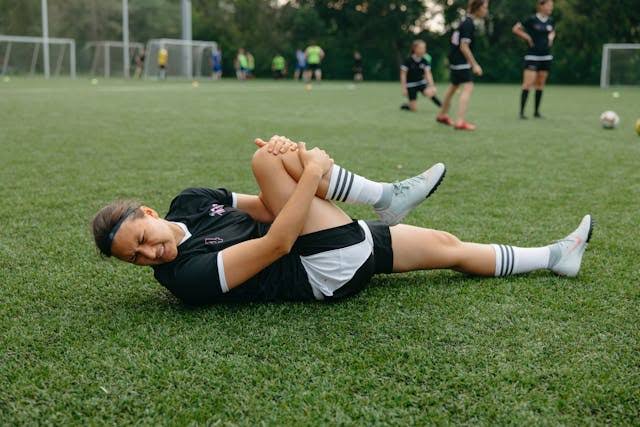
Sports medicine helps athletes return to activity safely and efficiently. It combines diagnosis, treatment, and rehabilitation under one coordinated plan. When injuries happen, timing matters, and the right approach can shorten how long you spend on the sidelines. Understand conservative care, and you can discuss structured rehabilitation to shape recovery times for active people.
Effective Conservative Treatment Methods
Many injuries respond well to non-surgical care, so rest, ice, heat, and bracing reduce swelling and protect healing tissue. These methods are simple, but they work best when applied early and consistently. Ice helps control acute inflammation, while heat supports circulation during later stages of healing. Bracing stabilizes injured joints, allowing tissue to repair without added stress. Physical therapy rebuilds strength. It also restores range of motion after an injury.
A therapist designs your program around your specific injury, and each session builds on the last. Targeted exercises address muscle imbalances, and they help your body move correctly under load again. Consistency with your sports medicine program is one of the strongest factors in how quickly you recover. When pain limits your progress, over-the-counter and prescription medications may help you stay comfortable during rehabilitation.
Precise Surgical Repair Options
When conservative treatments do not resolve instability or significant tissue damage, surgery becomes the appropriate next step. This matters for athletes who need a reliable timeline. Your surgical team will set clear recovery milestones, and meeting each one helps you return to activity safely. Early post-surgical care focuses on reducing swelling and protecting the repair, while later stages shift toward rebuilding strength and function. ACL Reconstruction, Rotator Cuff Repair, and Labrum Repair address common athletic injuries, and each carries a distinct recovery timeline.
Advanced Regenerative Therapy Approaches
Regenerative treatments support the body’s own healing process by working alongside other therapies rather than replacing them. When used as part of a structured recovery plan, they can help bridge the gap between initial treatment and full rehabilitation. Discuss your goals when options are presented. Your physician will confirm the injury type, and they will assess whether your tissue response is a good candidate before recommending this approach. Key regenerative options for athletes include:
- PRP (Platelet-Rich Plasma) therapy: Uses concentrated growth factors from your own blood to promote tissue repair at the injury site.
- Stem cell therapy: May help regenerate damaged soft tissue in tendons, ligaments, and cartilage.
- Combined approaches: Regenerative therapy is most effective when paired with physical therapy and other structured treatments.
Doctors evaluate each case individually, so recommendations depend on your injury and goals. Your physician reviews your imaging, symptoms, and activity level before recommending a plan. This helps make sure each treatment decision is grounded in your specific needs. When regenerative therapy is paired with physical therapy, you may progress steadily. The treatment plan adjusts as you improve. Regular follow-up appointments allow your care team to track your response, and they modify the approach if needed, keeping your recovery moving in the right direction.
Discuss Sports Medicine Recovery Today
Sports medicine shortens recovery through accurate diagnosis and coordinated care. Conservative treatments, surgery, and regenerative therapy each play a role. Talk with a qualified physician about your injury; they will design a plan that fits your goals. Begin your timely return to activity, since you have treatments available.