
How Vascular Doctors Help Manage Complex Health Issues
July 14, 2026
The Impact of Sports Medicine on Recovery Times for Athletes
July 14, 2026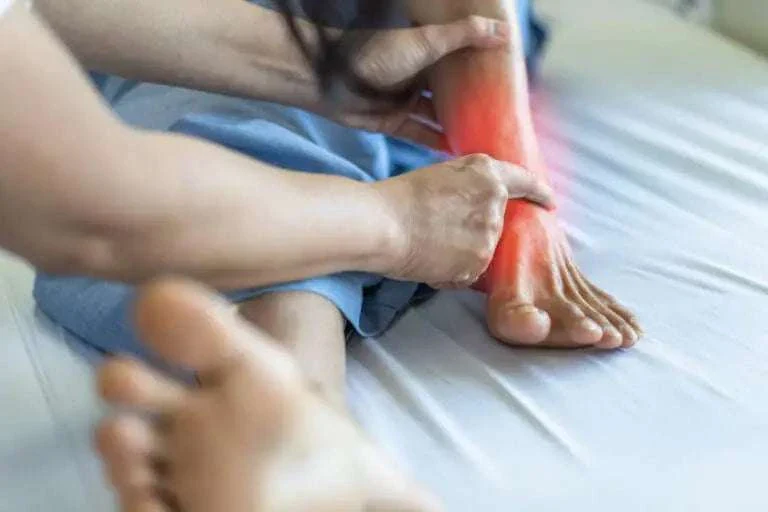
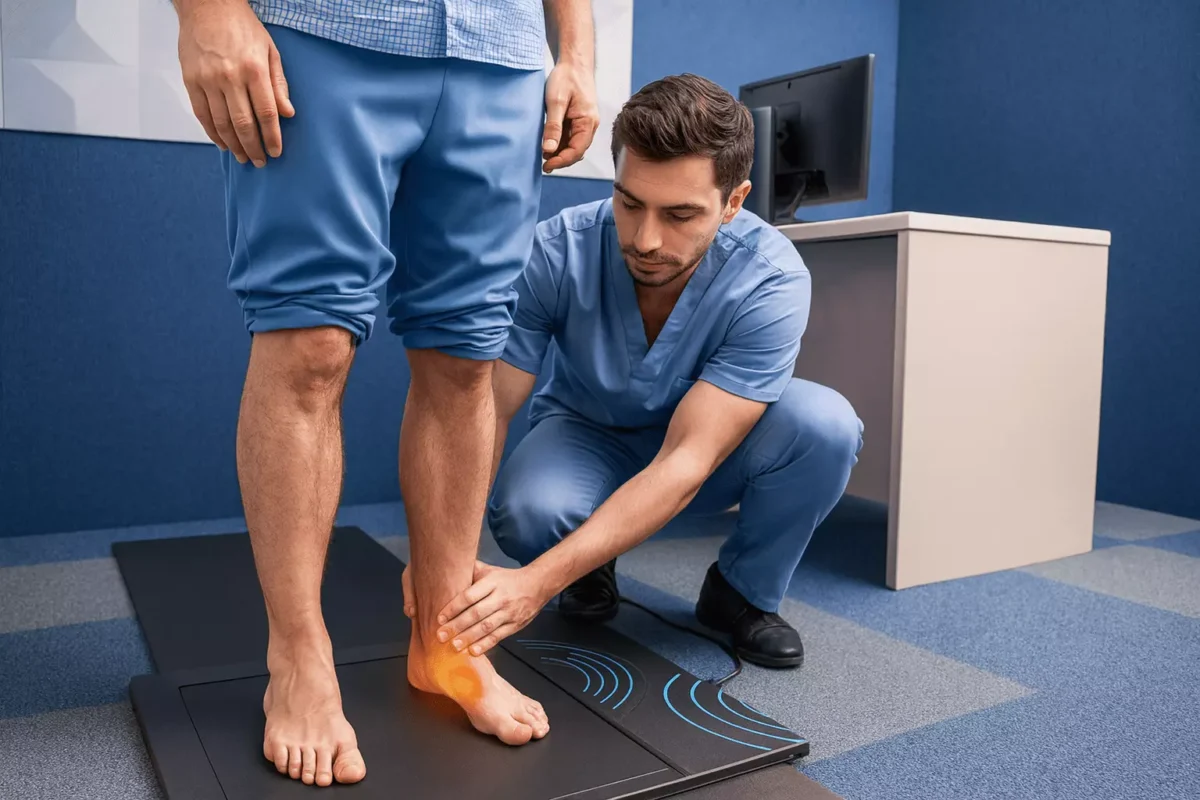
Heel pain is a common condition that can significantly impact daily activities and overall quality of life. It often arises from issues such as plantar fasciitis or Achilles tendonitis, both of which can cause discomfort and inflammation. Contributing factors may include excessive physical activity or improper footwear, or they include obesity or prolonged periods of standing. Here is more information about heel pain and some tips to cope with it.
Understanding Causes of Heel Pain
Two of the most common sources of heel pain are plantar fasciitis and Achilles tendonitis. Plantar fasciitis occurs when the thick band of tissue connecting the heel bone to the toes becomes inflamed, and this causes sharp pain along the bottom of the foot. Achilles tendonitis involves inflammation of the Achilles tendon, which runs along the back of the heel.
Diagnosis for both conditions typically begins with a physical exam, and a healthcare provider reviews your symptoms and activity level. A foot and ankle specialist may order imaging tests, such as an X-ray or MRI, to rule out other causes. Treatment usually starts conservatively with measures that include rest, ice, and anti-inflammatory medications.
Sometimes the basic conservative measures do not achieve the desired result. In this case, physical therapy and orthotic inserts may provide relief. Corticosteroid injections are another option for more persistent cases, and they work by reducing localized inflammation in the affected tissue. Surgery is rare but may become an option if symptoms fail to improve after a prolonged period of non-surgical treatment.
Supporting the Heel With Footwear
The type of shoes you wear can make a difference in heel comfort. High heels shift the body’s weight forward onto the ball of the foot, which increases tension on the plantar fascia and forces the Achilles tendon into an unnatural position; wearing them regularly can worsen inflammation and slow recovery. Switching to supportive, low-heeled footwear is one way to protect healing tissue and prevent a return of symptoms.
Here are some traits of suitable footwear that can reduce pain in the heels:
- Arch support: Look for shoes with firm, built-in arch support that distributes pressure evenly across the foot.
- Cushioned heel: A well-cushioned heel counter absorbs shock and reduces strain on the plantar fascia and Achilles tendon.
- Proper fit: Shoes should fit snugly without being too tight, leaving enough room for the toes to move naturally.
- Low, stable heel: A slight heel lift can reduce tension on the Achilles tendon, but the shoe should still feel stable underfoot.
Stretching for Heel Pain
Stretching the plantar fascia and calf muscles regularly can ease pain and help prevent flare-ups. The following exercises are commonly recommended:
- Plantar fascia stretch: While seated, cross one foot over the opposite knee. Pull the toes back gently toward the shin.
- Calf stretch: Stand facing a wall, place both hands on the wall, and step one foot back. Keep the back heel flat on the floor and hold the stretch on each side.
- Towel stretch: Loop a towel around the ball of the foot while lying down, and gently pull the towel toward you to stretch the arch and calf.
Performing these exercises in the morning before getting out of bed can be especially beneficial, since the tissue tends to tighten overnight. Consistency matters more than intensity when it comes to stretching for heel pain relief. Adding gentle strengthening exercises over time helps build resilience in the surrounding muscles and tendons.
Get Relief From Heel Pain
Heel pain is a manageable condition, and a combination of targeted exercises and appropriate medical treatment can lead to improvement. Ask your healthcare provider about a night splint to keep your Achilles tendon and plantar fascia gently stretched overnight if you experience foot pain in the morning. To learn more about treating heel pain, schedule an appointment with a foot and ankle specialist near you.