
Common Conditions Treated With Hip Arthroscopy
February 26, 2026
Common Questions About Back Pain
February 26, 2026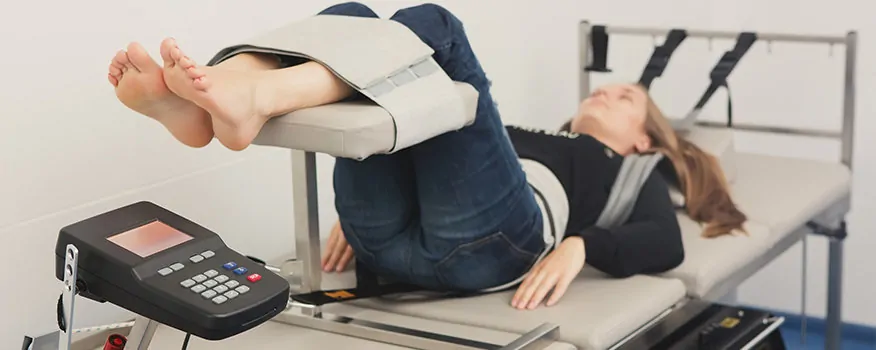
Spinal decompression is a therapeutic approach used to relieve pressure on the spine and surrounding nerves. This treatment can address various conditions that cause chronic back pain, nerve compression, and limited mobility, and understanding its role in rehabilitation helps patients make informed decisions about their treatment options. Here is more information on this procedure, how it works, and how it benefits the rehabilitation process:
What Is Spinal Decompression?
Spinal decompression is a treatment method designed to relieve pressure on the spinal cord or nerves. The procedure can be performed surgically or non-surgically, depending on the severity of the condition. Non-surgical decompression uses specialized equipment to gently stretch the spine; this creates negative pressure within the discs.
This negative pressure encourages the retraction of herniated or bulging disc material, and this can reduce nerve compression. Surgical decompression involves removing bone or tissue that is pressing on the spinal cord or nerves. Both methods aim to restore proper spinal alignment and reduce pain.
How Does It Work?
Non-surgical spinal decompression works by applying controlled force to the spine and stretching it, and this creates space between the vertebrae and promotes the movement of water, oxygen, and nutrient-rich fluids into the discs. The process helps herniated or bulging discs retract, relieving pressure on nearby nerves. Surgical decompression creates more space around the spinal cord or nerves by removing portions of bone, disc material, or other tissue that may be causing compression.
Why Is It Conducted?
This treatment is conducted to treat conditions that cause nerve compression or spinal instability. Common conditions include herniated discs, bulging discs, degenerative disc disease, sciatica, and spinal stenosis. Patients experiencing chronic pain, numbness, tingling, or weakness in the back, neck, arms, or legs may benefit from this treatment. The procedure is recommended when conservative treatments such as physical therapy, medication, or lifestyle modifications have not provided sufficient relief.
What Does the Process Involve?
The non-surgical decompression process begins with an evaluation by a medical professional to determine if the patient is a suitable candidate. If approved, the patient will begin treatment, whether direct or indirect spinal decompression. Each session typically lasts about 30 minutes, and patients may achieve significant relief.
Surgical decompression requires a more involved process. The patient undergoes preoperative assessments, including imaging studies to identify the exact location of nerve compression. The surgery is performed under anesthesia, and the recovery period varies based on the extent of the procedure.
How Does It Benefit Rehabilitation?
This treatment plays a significant role in rehabilitation by reducing pain and improving mobility. Pain relief allows patients to participate more actively in physical therapy and other rehabilitation exercises. Increased mobility supports the strengthening of surrounding muscles, and it stabilizes the spine, helping prevent future injuries.
The treatment can also reduce reliance on pain medications. Spinal decompression addresses the root cause of nerve compression, so it promotes long-term healing rather than merely masking symptoms. Patients may experience improved posture, better range of motion, and enhanced overall function.
Combining this treatment with other rehabilitation strategies can improve recovery outcomes. Physical therapy, exercise programs, and lifestyle modifications complement the effects of spinal decompression. This comprehensive approach relieves disputive symptoms, and it effectively addresses the underlying causes of spinal conditions.
Consult a Specialist Today
Spinal decompression offers a valuable treatment option for patients experiencing nerve compression or spinal instability. Understanding the process and benefits can help you decide if this approach aligns with your rehabilitation needs. Consult a specialist and learn more about this treatment option.