
The Benefits of Regular Check-Ups for Endocrine Health
July 13, 2026
The Role of Cryptocurrency IRA in a Diversified Investment Strategy
July 13, 2026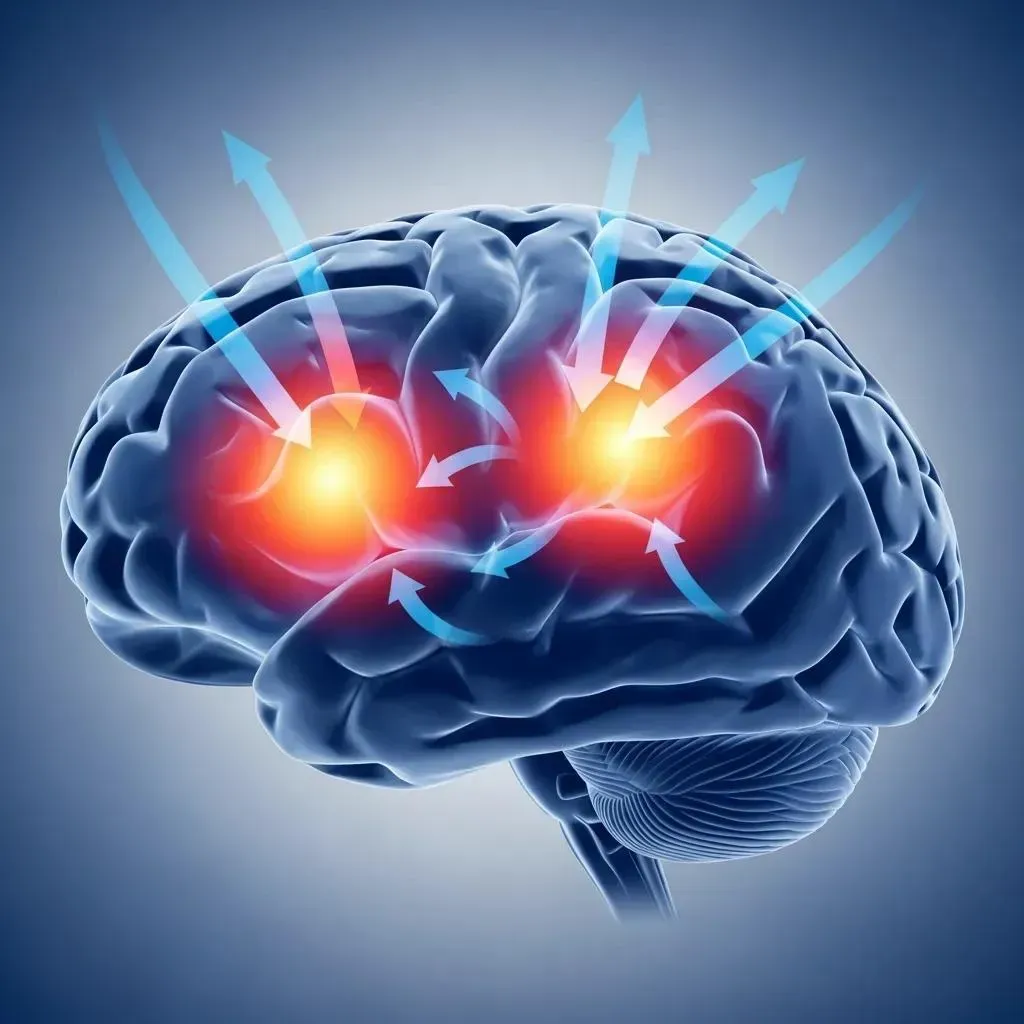
Spravato, also known as esketamine, is used in the treatment of depression, particularly for people with treatment-resistant depression. Traditional medications target serotonin or dopamine pathways; Spravato works through a different mechanism, one that researchers and clinicians are still actively exploring. Here is more information about esketamine and Spravato:
Understanding Treatment-resistant Depression
Treatment-resistant depression is a form of major depressive disorder that does not improve after at least two adequate trials of antidepressant medication. Spravato is an FDA-approved nasal spray containing esketamine, a derivative of the anesthetic ketamine. Esketamine acts on NMDA glutamate receptors in the brain, and this distinguishes it from conventional antidepressants.
Prescribing and Administering Spravato
Spravato is self-administered in a certified healthcare setting under direct medical supervision, and patients usually remain on-site for at least two hours after each dose. A provider may prescribe Spravato when a patient has tried multiple antidepressant treatments, or when depression poses an immediate risk. The nasal spray delivers esketamine through the nasal mucosa into the bloodstream, allowing it to reach the brain relatively quickly.
The initial twice-weekly dosing accelerates the drug’s therapeutic effects by rapidly saturating the relevant brain receptors. As the brain adjusts, the frequency decreases because the neurological changes can be maintained with less frequent administration.
Exploring Medication Effects
Esketamine works by blocking NMDA receptors, and this blockade triggers a cascade of neurological events that distinguish it from standard antidepressants. One integral outcome is an increase in synaptic plasticity. This refers to the brain’s ability to form and reorganize connections between neurons. Because many patients with treatment-resistant depression show reduced synaptic plasticity, restoring this flexibility may explain why Spravato tends to relieve symptoms relatively quickly compared to traditional medications that take weeks to work.
The drug also promotes the release of brain-derived neurotrophic factor, or BDNF, a protein that supports the growth of neurons. BDNF plays a role in mood regulation, and lower levels have been associated with depressive states. Spravato’s ability to boost BDNF production, combined with its effects on glutamate signaling, contributes to its antidepressant properties.
Seeking Professional Help
Discussing Spravato with your healthcare provider may be beneficial for patients who have tried two or more antidepressant medications without achieving adequate relief. A provider can evaluate whether Spravato fits a patient’s overall clinical picture based on history, current medications, and symptom severity. Some signs that a conversation with a doctor may be appropriate include:
- Persistent feelings of hopelessness, numbness, or sadness that have not improved with standard treatments
- Difficulty functioning at work, in relationships, or in daily routines despite ongoing psychiatric care
- A history of multiple medication adjustments with limited results
Learn More About Spravato
Spravato offers a distinct approach to treating depression by targeting the glutamate system, promoting synaptic plasticity, and supporting neuronal health through BDNF release. Spravato is administered in a supervised clinical setting; the treatment follows a structured dosing schedule that gradually shifts from intensive early sessions to long-term maintenance. Candidates are typically those with treatment-resistant depression who have not found relief through conventional therapies. If you want to learn more about Spravato and other treatments for mental health issues, consult a healthcare provider.
- The Link Between Hormone Replacement Therapy and Improved Quality of Life
- Streamlining Your Kitchen and Bathroom Remodeling for Efficiency
- Benefits of Self-Care in Mental Health Maintenance
- Effective Home Remedies and Care Tips for Coping with Bunions
- Understanding the Benefits and Risks of Cataract Surgery